You want a nature escape in Germany’s Black Forest, but the region is bigger and more varied than most travelers expect, and picking the wrong base can leave you with long drives instead of doorstep trails. The good news is that Black forest lodges come in enough shapes and settings that there’s genuinely one for the kind of trip you’re picturing, whether that means hiking straight from your door, lake views, or quiet evenings after a day on the paths.
This guide walks you through the decisions that matter. We’ll look at why lodges suit nature trips here, which areas work best for hikers versus families, when to book, what nightly rates typically look like, and how to match a lodge to your travel style. You’ll also find ideas for nature experiences around your base and practical planning tips, from guest cards that cover regional transport to timing your stay around the seasons.
Why Black Forest Lodges Work for Nature Trips
The Black Forest stretches about 160 km north to south across Baden-Württemberg, and that shape changes where you sleep. Because the region is long and ribbon-like rather than clustered around one resort hub, lodges tend to sit in small villages and on hillsides, often right at the edge of marked trail networks. You can step out of a guesthouse door and be on a forest path within minutes, without shuttles or parking lots in between.
Accommodation here also fits the landscape instead of fighting it. Many lodges are family-run farm stays where the hosts live on-site, or traditional timber chalets with dark wood facades, deep balconies and flower boxes that have been part of the scenery for generations. Even newer builds usually follow the local style, so a stay feels rooted in the surroundings rather than dropped into them. For travelers who want the forest itself to be the main attraction, that setting does half the work.
Free transport built into your stay
The other practical advantage is the KONUS guest card. Many lodges, guesthouses and campsites across the region include this card in the overnight stay, and it covers free travel on regional buses and trains throughout the Black Forest. In practice, that means you can base yourself in a quiet village, leave the car at the lodge, and still reach trailheads, lakes and neighboring towns without paying for each trip. It is one of the reasons a lodge stay here can feel simpler and cheaper than it looks on a price list.
Best Areas to Base Yourself in the Black Forest
The Black Forest stretches about 160 km north to south, and the character of the landscape changes noticeably along that line. Where you base yourself shapes what your days look like: steep ridge walks, quiet valley villages, or lake mornings with kids in tow. Picking the right zone before you book a lodge saves a lot of driving later.
The northern Black Forest, around Baden-Baden and Baiersbronn, is the choice for serious hikers. The terrain here is wilder, with high ridges and gorge trails that feel remote even though you’re never far from a spa town. Baiersbronn in particular works well as a hiking base, with lodges sitting close to long-distance trail access.
The central area around Freudenstadt and the Kinzig valley offers a middle ground. You get traditional villages, moderate trails and good road links in every direction, which suits travelers who want a mix of walking and sightseeing without committing to the high country.
The southern Black Forest near Titisee, Hinterzarten and Feldberg is the natural pick for lake views, families and winter sports. Feldberg, at 1,493 m the highest peak in the range, anchors the main ski area, while the lakes give the region a softer, more resort-like feel.
- Baden-Baden adds spa culture to hiking: after a day on the northern ridges, you can pair your lodge stay with the town’s famous thermal baths, a combination the other zones can’t match.
- Baiersbronn sits at the heart of gorge country: trails like the All Saints monstery ravine paths start nearby, giving you dramatic scenery without long transfers.
- Freudenstadt claims one of Germany’s largest market squares: it makes a practical, walkable hub if you want restaurants and shops within strolling distance of your lodge.
- The Kinzig valley follows a river corridor: gentle valley-floor walking and half-timbered villages make it a good fit for travelers who prefer lower, easier routes.
- Hinterzarten sits on a high plateau: its elevation means reliable snow for cross-country skiing in winter and cooler, clear air for hiking in summer.
- Schluchsee offers a quieter alternative to Titisee: the largest lake in the Black Forest draws fewer day-trippers, so lakeside lodges there feel calmer in peak season.
When to Book a Black Forest Lodge Trip
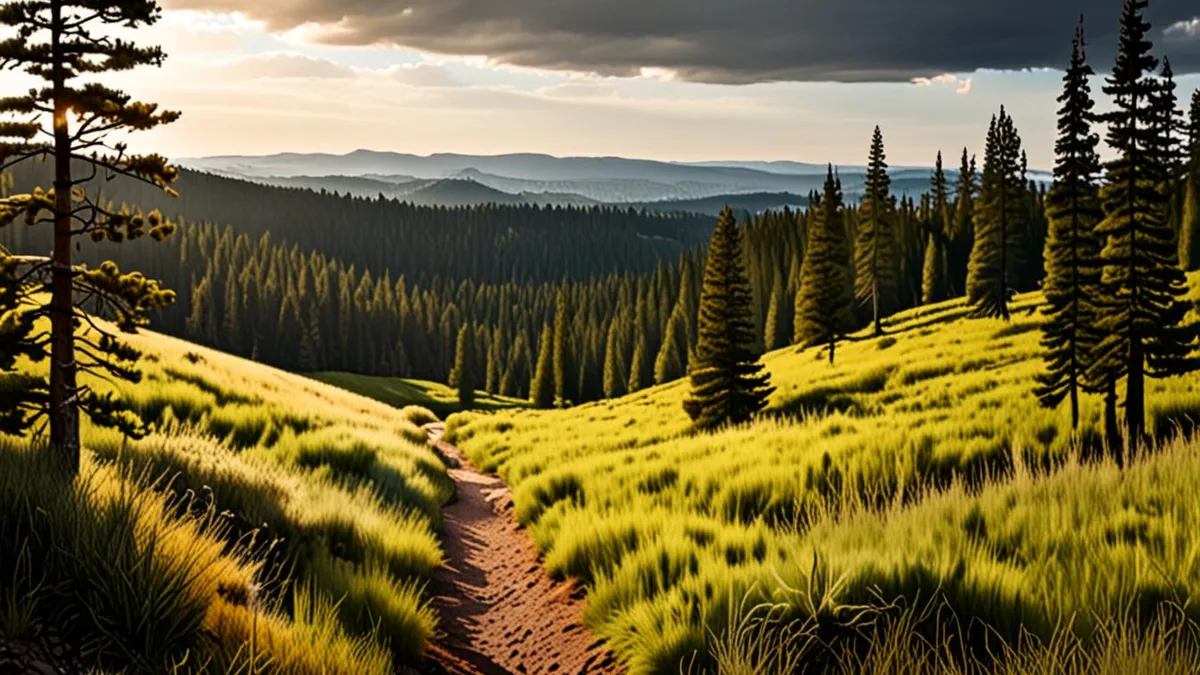
The sweet spot for a Black Forest lodge trip runs from May to October. That is when the weather is at its most reliable, the marked trails are in good condition, and the mountain huts along the high ridges are open for a lunch stop. If hiking is the main reason for your stay, aim for these months and you will rarely lose a day to bad conditions.
Booking windows that matter
Lodge availability, not price, is usually the limiting factor. For summer weekends, especially July and August, reserve two to three months ahead to get a real choice of rooms. For Christmas week and the February ski weeks around Feldberg, push that to four to six months ahead, since family-run lodges with a handful of rooms fill up quickly.
Shoulder months reward flexible travelers. May, September and early October typically bring lower prices and thinner crowds, while the trails are still fully walkable and the huts have often not closed yet. September is a favorite for many regulars: stable weather, golden forest light and far fewer tour groups at popular spots.
Winter stays from December to March work well if you want snowshoe walks or skiing, but expect tighter availability around the holidays and check that your lodge is reachable in snowy conditions. Whenever you settle on dates, confirm current rates and cancellation terms directly with the lodge, as these can change from year to year.
What Black Forest Lodges Cost
Most travelers visiting the Black Forest for its nature will find lodge pricing refreshingly reasonable compared to Alpine resorts. A double room in a mid-range lodge typically runs €90-180 per night, and budget rooms start around €70 if you don’t mind simpler furnishings or a shared setting in a farmstay. That difference buys you the same forest, the same trails and often the same homemade breakfast, just with fewer frills.
Half-board is where the region shines. Many family-run lodges offer dinner and breakfast for €25-40 extra per person per day, which is often excellent value in villages where the nearest restaurant may close early or sit several kilometers down the valley road. After a long day on the trails, walking downstairs to a cooked dinner beats driving anywhere.
It also pays to understand what drives the price up or down. Location, season, meal plans and even the day of the week all play a role, and small family-run places price differently from larger chalet-style properties. A few practical points:
- Winter is the exception to the pricing rule: rates around Feldberg and Titisee climb noticeably when skiers arrive, since demand peaks around the slopes on the 1,493 m ski area, the highest in the range.
- Many lodges include a KONUS guest card at no extra charge, which covers free regional buses and trains and can save a car-free traveler a meaningful amount over a week.
- Weekend rates in small villages can differ from weekday rates, so if your dates are flexible, ask the lodge directly before booking.
- Always confirm what “half-board” includes at your specific lodge, as menus and the number of courses vary widely between farm stays and larger chalet-style properties.
How to Choose the Right Lodge for Your Trip Style
The right lodge depends less on star ratings and more on how you plan to spend your days. A romantic chalet in the wrong valley can leave you driving an hour to trailheads, while a plain farmstay near a marked path can beat a fancier hotel in a busy resort town. Matching the lodge to your daily routine is what turns a good trip into a great one.
Hikers should make trail access the top filter. Lodges within walking distance of marked routes like the Westweg let you start your day on foot instead of behind a windshield, and many northern villages around Baiersbronn sit directly on long-distance paths, so you can be on the ridge before your coffee cools.
Couples tend to be happiest in small timber chalets with balconies facing the valley, where the evening light over the forested ridges becomes part of the experience. Families do best near Titisee or Hinterzarten, where lakeside paths and easy slopes keep children busy without long transfers. Winter visitors should look closer at lodging around Feldberg if skiing is the priority.
- Ask specifically whether breakfast or half-board is included, because remote lodges may have no restaurant nearby and the nearest village market could be a drive away.
- Check whether your lodge provides drying space for boots and gear if you are visiting between December and March, a small detail that matters enormously on multi-day hikes in snow.
- Confirm parking arrangements if you rent a car; some traditional farmstays have limited spaces in a shared farmyard.
- If you travel without a car, verify the actual walking distance to the nearest bus or train stop, since many lodges advertise “near public transport” loosely.
Nature Experiences Around Your Lodge
The beauty of basing yourself in a lodge is that nature starts at the front door. You don’t need to plan elaborate excursions, because the forest itself is the main attraction.
Trails and viewpoints
Hike a section of the Westweg, the classic long-distance route that runs the length of the range, or climb Feldberg for panoramic views over the whole forest and, on clear days, across to the Alps. Even a half-day walk from your lodge usually delivers dark fir valleys, open meadows and a mountain hut serving cake along the way.
Lakes and waterfalls
In summer, swim or paddle at Titisee and Schluchsee, both reachable by KONUS transport if your lodge provides the guest card, so you can leave the car behind. The water is cool even in high summer, but the lakeside promenades and boat rentals make for an easy family afternoon.
For something different, visit the Triberg waterfalls, among Germany’s highest, in early morning. Coach groups typically arrive mid-morning, so arriving at opening time gives you the falls and the misty gorge almost to yourself. Pair the visit with a stop in town for a slice of the original Black Forest cake, then head back to your lodge for a quiet evening on the terrace.
Planning Your Black Forest Lodge Stay
So which Black Forest lodge actually delivers the hiking, views and quiet you’re picturing? Start with the area, not the lodge. Serious hikers should look north around Baden-Baden and Baiersbronn, while lake views and family-friendly paths point you toward Titisee and Hinterzarten in the south. Once the region is settled, match the lodge type to your trip style and budget, whether that’s a family-run farm stay or a small timber chalet with a valley-facing balcony.
Then handle the details that make or break a stay. Book early for peak windows, and use shoulder months like May, September and early October for better value. Before you commit, confirm three things: whether the lodge includes a KONUS card for free regional transport, how close you are to marked trails, and what meals the lodge provides, since remote lodges may have no restaurant nearby and you’ll want to know if you need to plan dinners elsewhere. Get those right, and the rest falls into place. If this helped you plan your trip, leave a comment or share the article.