Choosing between an aparthotel vs hotel is one of those booking decisions that looks simple until you actually compare them. A standard room might seem cheaper at first glance, but once you add restaurant meals, extra rooms for the kids and the cost of a longer stay, the picture often changes. Many travelers only realize after check-in that they picked the wrong option for their trip length.
This guide breaks down the comparison into the details that matter: how much space you actually get in each, what you pay nightly and over a week, and how kitchen access, housekeeping and self-service differ between the two. We also look at the facilities you give up at an aparthotel, which stay type suits different trip lengths and travel styles, and how to book the best value whichever way you go. By the end, you should know exactly which option fits your next trip.
Aparthotel vs Hotel: How Much Space You Actually Get
Space is the single biggest physical difference between the two, and it shapes everything else about your stay. A standard hotel room averages around 15-20 m2, and the layout is predictable: a bed or two, a desk, a bathroom and just enough floor space to open your suitcase. That works fine for one or two people on a short trip, but there is little room to spread out.
Aparthotel units typically span 25-40 m2, which changes the feel of the room entirely. Instead of one open box, you usually get a separate living area with a sofa or dining table, plus a kitchenette along one wall. You can work, eat and relax in different spots without sitting on the bed to do all three.
Why space matters most for families and groups
For families or groups of friends, the difference is even more practical. Booking two connecting hotel rooms for four people often means paying double and still eating breakfast huddled around a desk. One aparthotel unit with a sofa bed in the living area and a separate bedroom keeps everyone together, gives the kids their own sleeping space and lets adults stay up after bedtime without whispering in the dark. If you are traveling with more than two people, measure your options in square meters, not just nightly price.
Cost Comparison: Nightly Rates and Long-Stay Savings
On price alone, aparthotels tend to have the edge, and the gap widens the longer you stay. Nightly rates usually run 10-30% below comparable hotels in the same city, partly because aparthotels spend less on daily housekeeping, restaurants and lobby staffing. For a single night, that saving is nice but not dramatic.
Where the real savings show up
Stays of 5 nights or more are where the price gap becomes most meaningful. Many aparthotels offer weekly rates that can be 20-40% lower than the price of seven separate nightly bookings, so a week-long stay can cost noticeably less than the same week split into individual nights at a hotel. If you already know your dates, ask about weekly or extended-stay pricing before you book anything.
The second saving is food. Eating every meal in restaurants adds up fast on a city trip, especially in expensive destinations. A kitchenette lets you make breakfast, pack lunches and cook the occasional simple dinner, which can cut your food spending noticeably over a week. Even preparing just breakfast and one other meal a day frees up budget for a few genuinely good dinners out. Add the two together — a lower nightly rate and lower food costs — and a week in an aparthotel often costs far less than the equivalent hotel stay.
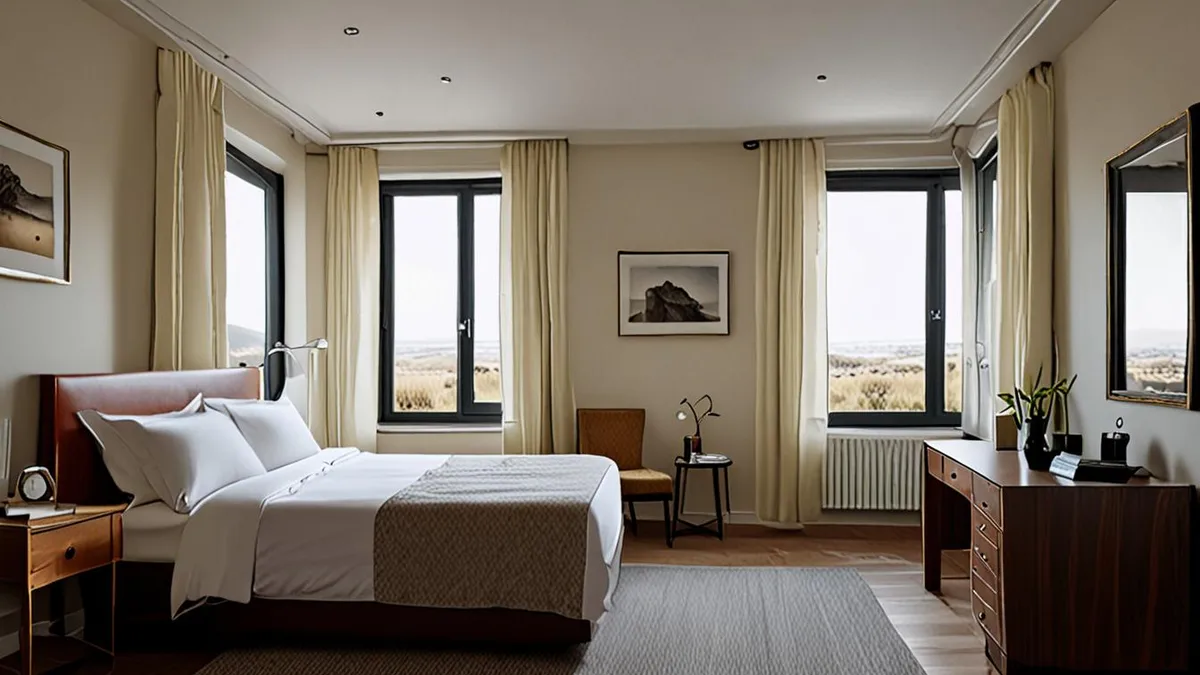
Flexibility: Kitchen Access, Housekeeping and Self-Service
Flexibility is where aparthotels change how you actually live during a stay. The kitchenette is the headline feature: most units include a hob, microwave and fridge, which is enough to prepare breakfast, reheat leftovers and cook simple dinners like pasta or stir-fries. You eat when you want, without planning around restaurant hours or room service menus. That also means you can shop at a local market or supermarket like a resident rather than a visitor, pick up a few staples on day one, and stop treating every meal as an event that needs a reservation. For coffee drinkers, having a kettle or coffee maker steps away beats a trek to the lobby each morning.
Housekeeping works differently too. Hotels typically include daily cleaning, with fresh towels and a made bed every day. Aparthotels often clean every 3-7 days instead, which suits longer stays but means you make your own bed most mornings and may wash your own dishes. Self check-in and keyless entry are also common at aparthotels, which makes late arrivals far less stressful when you land after reception hours. If something goes wrong, though, there may be no front desk to call at that moment, so it pays to save the property’s contact details before you arrive and read the check-in instructions carefully in advance.
Think of it as trading a little pampering for real independence. If you like your stay to run on your schedule rather than the hotel’s, this setup tends to click quickly.
What flexibility looks like day to day
- Snack and drink stock: With a fridge on hand, you can keep cold drinks, fruit and snacks in your room instead of paying minibar prices for the same items.
- Laundry options: Some aparthotels have a guest laundry room or washing machine access, useful on trips longer than a week when you would otherwise overpack.
- No daily interruptions: With cleaning every 3-7 days, you avoid the “do not disturb” dance and can leave your laptop and papers out on the desk all week.
- Flexible arrival: Keyless entry codes are often sent before arrival, so a delayed flight or midnight check-in rarely requires calling anyone or waiting at a desk.
Services and Facilities You Give Up at an Aparthotel
The biggest trade-off when you book an aparthotel is service. Most aparthotels have no room service at all, and many run reception only during limited daytime hours. If you arrive at 11 pm expecting someone at the desk, you may instead find a key box or a self check-in terminal. There is usually no restaurant downstairs either, so dinner means cooking or heading out.
Facilities: what you leave behind
Gyms, pools and spas are rare in aparthotels. They are standard in mid-range and upscale hotels, where a morning swim or an evening workout is part of the package. If exercise or a sauna after a day of sightseeing matters to you, an aparthotel will often mean buying a day pass at a local gym instead, or skipping it entirely.
Then there are the small comforts. A concierge who books a table, prints a boarding pass or points you to a quiet wine bar is a hotel strength. So are daily towel changes and fresh sheets without you asking. On a short trip these services save real time, and they are often worth paying a higher nightly rate for. On a long stay, most travelers happily trade them for space and a kitchen.
Which Stay Type Suits Your Trip Length and Travel Style
The right choice depends less on the property and more on your trip. A stay of 1-3 nights in a city usually favors a hotel: you are out all day, you want a central location, and daily cleaning means you return to a tidy room each evening. Paying for a kitchenette you never use makes little sense, especially when the hotel bar or breakfast room is steps from your door.
Longer stays flip the equation. On a workation or a relocation of 2 weeks or more, an aparthotel gives you the space and routine you need. You can cook proper meals, spread out your laptop on a real table, and live somewhere that feels like an apartment rather than a corridor of identical rooms. Since savings become most noticeable on stays of 5 nights or more, the longer you stay, the stronger the case becomes. Remote workers often find the setup closer to a home office than any hotel desk.
- Family trips: one aparthotel unit with separate sleeping areas and a shared living space means kids can go to bed early while adults stay up, and a fridge for milk and snacks saves constant café stops.
- Romantic short escapes: a hotel’s service level and amenities, from breakfast in bed to a rooftop bar, usually justify the price for a special weekend; if that sounds like your plan, browsing romantic hotels in Slovenia for couples is a good starting point.
Match the stay type to the trip, not the other way around, and you rarely go wrong. Ask yourself how many meals you will actually eat in, how much living space you need, and whether daily service matters more than a bit of independence. Your answers point straight to the right booking.
How to Book the Best Value Aparthotel or Hotel
Getting a good deal is mostly about timing and reading the fine print. Aparthotels reward early planners more than hotels do, and their pricing quirks can catch you out if you only compare the headline nightly rate. Because aparthotels often price differently for longer stays, the cheapest-looking option on a booking site is not always the cheapest overall. Follow these steps before you book either option.
- Book 2-3 months ahead for peak season. This is the window that secures the best aparthotel rates in popular periods, when availability shrinks and prices climb closer to your dates. Hotels tend to hold their inventory longer, so last-minute hotel deals are more common than last-minute aparthotel bargains.
- Compare the total cost, not the nightly rate. Some aparthotels add a cleaning fee on longer stays, which can quietly erase part of your savings. Others quote a weekly price that looks great until taxes and local charges are added. Add up the full stay price for both options before deciding, and screenshot the breakdown in case of disputes later.
- Check the cancellation terms. Weekly aparthotel deals are often less flexible than hotel rates, sometimes requiring payment upfront or charging a penalty for changes. If your plans might shift, a slightly pricier flexible hotel rate can be the safer bet. Read whether the penalty applies to the whole booking or just a deposit.
- Factor in food spending. A kitchenette lets you cook breakfast and some dinners, so estimate what you would realistically spend eating out and weigh it against the rate difference. Even a few self-made breakfasts can shift the math in favor of an aparthotel.
Do this quick comparison for two or three properties in your destination and the winner is usually obvious. Write the totals side by side, including every fee you can find. Ten minutes of checking fees and terms can easily save you the cost of a nice dinner out, and it also removes the unpleasant surprise of a mystery charge at checkout.
Wrapping Up the Aparthotel vs Hotel Choice
The choice comes down to trip length and what you value most. Aparthotels win on space, kitchen access and long-stay savings of 10-40%, which makes them the clear pick when you plan to stay a while and want room to live, not just sleep. Hotels win on daily service, facilities and convenience for short city breaks, where daily housekeeping, a restaurant and a front desk matter more than a kitchenette.
The simplest rule of thumb: match the stay type to your trip length. For stays of 1-3 nights, a hotel usually serves you best. For 5 nights or more, an aparthotel typically delivers more space and better value. If you have faced this same dilemma, leave a comment with your pick or share this article with a fellow traveler.