A resort wedding sounds dreamy in theory: say your vows with a mountain or lake view, then walk straight to dinner while your guests sleep a few steps away. In practice, many couples freeze at the planning stage. Which venue? Which season? How many rooms do you actually need to block, and what will it all cost? The unknowns pile up quickly, and the excitement turns into stress.
This guide breaks the process into manageable steps. We start with why a resort celebration makes sense in the first place, then move through choosing the right destination and season, picking the venue itself, building a realistic booking timeline, budgeting and working with the resort team, and finally making the weekend memorable for your guests. Whether you are planning a wedding, an anniversary or a big family reunion, the same fundamentals apply. Read on and you will know exactly what to ask, when to book and where the common pitfalls hide.
Why Choose a Resort for Your Wedding or Celebration
The biggest argument for a resort wedding is simple: everything happens in one place. The ceremony lawn, the dinner terrace and the guest rooms sit within walking distance, so nobody drives between venues, no one gets lost following a convoy of cars, and the evening can flow naturally from vows to dinner to dancing without a hard stop.
Less to organize yourself
Resorts already employ the people you would otherwise hire separately. Catering, table setup, drinks service and accommodation are handled by the in-house team, which shrinks your vendor list dramatically. Instead of coordinating a florist, a caterer, a rental company and a venue, you work with one main contact who knows the property inside out.
A mini holiday built in
Because guests stay on site, the event becomes more than one long day. There is natural downtime around the ceremony for swimming, spa treatments or simply chatting on the terrace. That breathing room is exactly what makes destination celebrations feel special rather than rushed.
And while this guide focuses on weddings, the same setup works beautifully for anniversaries, milestone birthdays and family reunions. Any occasion where you want people gathered, fed and housed in one scenic spot fits the resort model.
Choosing the Right Destination and Season
Season shapes everything about a resort celebration: the scenery, the price and how comfortable your guests will be. In Central Europe, the sweet spots for outdoor events are May to June and September to early October. You get mild weather and green or golden landscapes, and room rates sit noticeably below peak summer levels.
The trade-off of high summer
July and August bring the warmest weather, which suits lake and coast resorts perfectly. The downside is that everyone else has the same idea: resorts are at their busiest, and room rates hit their annual high. If your heart is set on a beach or lakeside ceremony in midsummer, book early and expect to pay for the privilege.
Mountains have their own calendar
Alpine resorts shine in June and September. You get dramatic mountain backdrops, blooming or golden meadows, and none of the winter cold that keeps guests indoors. These months often combine the best views with the calmest atmosphere.
Finally, match the destination to your guest list, not just to the photos. If many of your invitees are older relatives, prioritize a resort with easy airport and road access. A stunning property at the end of a winding mountain road may be perfect for twenty close friends but exhausting for your grandparents.
Picking the Resort Venue Itself
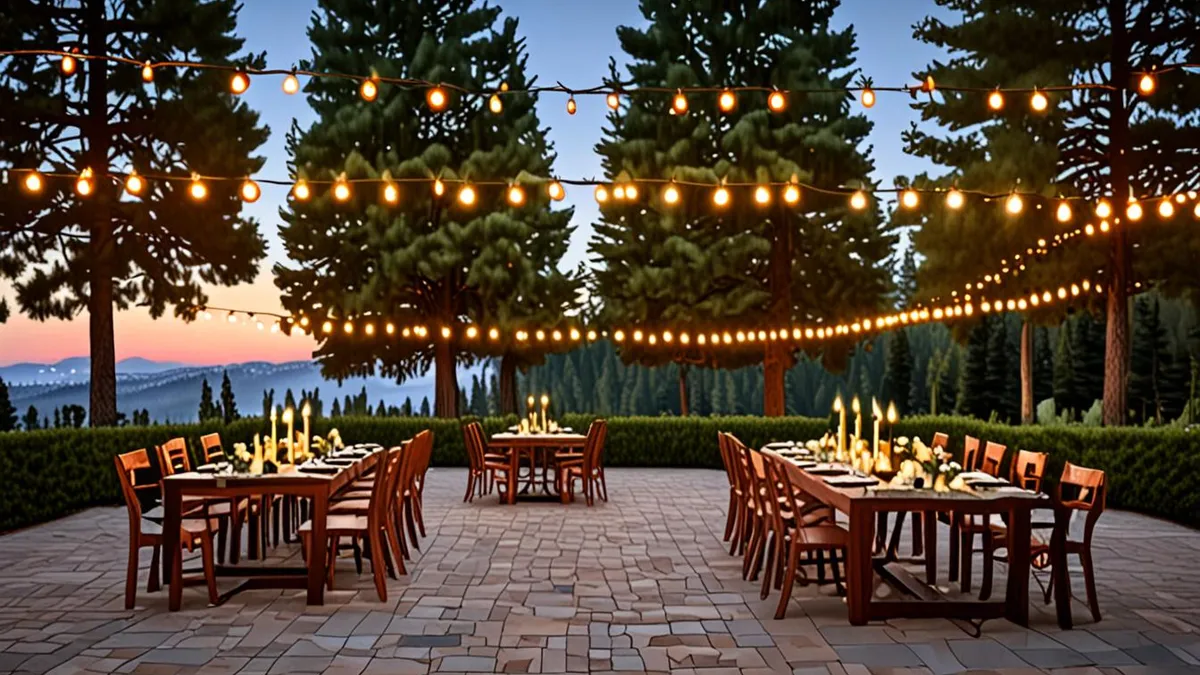
Once you know the region and season, it is time to judge the resorts themselves. Two questions matter most early on: what happens if it rains, and who else will be on the property that day. Ask whether the resort offers both an outdoor ceremony spot and an indoor backup room you can use at no extra stress. Then clarify whether you get exclusive use of the spaces or whether they are shared with other hotel guests during your event. A shared terrace can work fine, but you want to know before you sign, not on the day.
Room capacity is the next reality check. Most mid-size celebrations need a block of 10 to 30 rooms on site, so confirm the resort can actually accommodate your group, ideally in the same wing or building.
Before signing anything, work through this checklist:
- Visit in person if you can. Photos flatter every property; standing on the ceremony lawn tells you about noise from the road, sun angle in the afternoon and how guests will actually move between spaces.
- Take a live video tour if travel is impossible. Ask the coordinator to walk the full guest route, from parking to ceremony spot to dinner room, so you see the real logistics.
- Review the food tasting policy. Some resorts include a tasting for the couple, others charge for it or offer it only close to the date. Knowing this early helps you plan menu decisions and budget.
A resort that answers all of these clearly is usually a resort that runs smooth events.
Booking Timeline and Guest Logistics
A resort wedding lives or dies by its timeline. Because you are coordinating a venue, dozens of guest rooms and travel for people who may fly in from several countries, everything needs to be locked in earlier than it would for a local celebration. Guests coming from abroad often juggle flight schedules, work commitments and sometimes visa paperwork, so a clear plan shared early saves everyone stress. The good news is that the sequence is simple once you know it, and the same order of steps works whether you are planning an intimate alpine ceremony or a larger lakeside party.
- Reserve the venue 12 to 18 months ahead. Popular summer dates at sought-after resorts, especially weekends in the Alps, get booked far in advance. If you have your heart set on a specific mountain setting, browse options like Austria Alps resorts for summer holidays early and contact your favorites as soon as you have a rough date.
- Send save-the-dates 6 to 8 months out. Guests attending a destination wedding need time to request vacation days, compare flights and budget for the trip. The earlier they know, the higher your attendance will be.
- Negotiate a discounted room block. Ask the resort for a group rate on the rooms your guests will need, and agree on a cut-off date after which unbooked rooms are released. This protects you from paying for empty rooms while still holding space for late responders.
- Plan a 2 to 3 day wedding weekend. A welcome evening on the first day and a relaxed day-after brunch turn the wedding into a shared experience rather than a single rushed afternoon.
One practical tip: keep a simple spreadsheet with each guest’s arrival day, room type and dietary notes. It makes conversations with the resort team far easier and prevents small details from slipping through as the date approaches. Add a second tab for payments and confirmation dates, so you always know which deposits are due and when. Set calendar reminders a week before each deadline, because resort coordinators manage many events at once and will rarely chase you. Finally, share a short summary of the plan with your guests after each milestone, so nobody has to email you repeatedly to ask what happens next.
Budgeting and Working With the Resort Team
Money conversations go more smoothly at a resort than with a long list of independent vendors, but only if you ask the right questions upfront. Start by estimating attendance realistically: for a destination wedding, expect 60 to 80 percent of invitees to actually come. Budget your room block and catering numbers on that figure rather than on your full guest list, then adjust as replies arrive.
Ask for one package price
Instead of collecting separate quotes for the ceremony space, dinner, drinks and rooms, request a single package price that covers the venue, catering and your room block together. Resorts can usually offer better terms when everything sits in one contract, and you get one point of contact instead of five. Compare at least two or three resorts on the same basis so the numbers are actually comparable.
Know what is included and what is not
Clarify in writing what the resort provides in-house, such as tables, linens, staffing and bar service, and what you must bring in from outside vendors, such as a photographer, florist or band. Some resorts restrict outside catering or charge a corkage-style fee, so confirm this before you sign. Finally, keep a 10 to 15 percent buffer in your budget for weather backups, last-minute extras and the small costs that always appear in the final weeks.
Making It a Celebration Guests Remember
The best resort celebrations are remembered for the whole weekend, not just the ceremony hour. Since your guests are already staying on site, give them reasons to enjoy the place itself: leave stretches of unstructured time for hiking trails, the spa or simply lounging by the pool. A relaxed rhythm matters more than a packed program, especially for guests who have traveled a long way.
The day after the wedding is a great moment for one shared experience. A scenic group activity, such as a boat trip on a nearby lake or a short guided walk with views, gives people a final memory together without demanding much energy. Keep it optional and low-key; some guests will prefer a slow morning at the resort, and that is fine.
Small touches on arrival and departure also shape how the weekend feels. A few practical ideas:
- Fill welcome bags with local snacks, a bottle of water and a small regional specialty, so guests get a taste of the destination before the first toast.
- Include a printed weekend schedule with times, locations and dress notes, so nobody has to message you asking where dinner is.
- Add a simple map of the resort grounds marking the ceremony spot, restaurant and spa, which saves guests from wandering on the first day.
Finally, plan the farewell brunch for late morning rather than early. That gives guests time to pack, check out calmly and still travel home the same day without rushing out before the last goodbyes.
Final Thoughts on Planning Your Resort Celebration
If the idea of a resort celebration once felt overwhelming, the solution comes down to timing and order. Decide on the venue, the season and your guest logistics early, and most of the unknowns disappear before contracts are signed. Booking the resort 12 to 18 months ahead for popular summer dates, and leaning toward shoulder-season months, keeps both costs and stress noticeably lower than a rushed, peak-season scramble.
The rest falls into place once you treat the event as a full wedding weekend of 2 to 3 days rather than a single day. Guests get time to relax, you get a built-in buffer for weather or delays, and the celebration becomes a shared mini holiday instead of a few hectic hours. If you have planned a resort wedding or destination celebration yourself, share your experience in the comments or pass this article along to a couple just starting out.