Many travelers only discover a hotel’s parking fees and rules at check-in, turning a road trip bargain into an unexpected daily expense. What looked like a great room rate can quietly gain 20 or 30 EUR per night once your car is involved. Hotel parking is one of the most overlooked costs of a driving trip, and it varies more than almost any other line item on your booking.
This guide breaks down what you need to know before you drive. We’ll look at why hotel parking costs vary so much between city centers and the suburbs, how on-site garages compare with off-site options, and when self-park beats valet. You’ll also learn how to check parking arrangements before you leave home, spot the hidden fees that inflate your bill, find out what to expect from EV charging, and put together a realistic parking budget for your trip.
Why Hotel Parking Costs Vary So Much
Parking at a hotel can cost nothing one night and a small fortune the next, and the main reason is simple: land value. In dense city centers, every square meter is expensive, so hotels that own a garage charge accordingly. In Western Europe, city-center hotel parking typically runs 20-50 EUR per day, which can rival the cost of a budget dinner for two every single night of your stay.
Drive out to the suburbs or along a motorway, and the picture flips. Suburban and roadside hotels often offer free self-parking because they sit on large lots with plenty of space. If your route allows it, staying just outside a major city can save you the entire parking fee, at the cost of a longer walk or drive to the sights.
Resorts work differently
Resorts are their own category. Some bundle parking into the room rate as part of a resort fee, so you never see a separate charge, while others bill parking per night on top of everything else. Before you book, read the rate details carefully and check whether parking appears as an included perk or an add-on, because the difference can be significant over a week-long stay.
On-Site vs Off-Site Hotel Parking Options
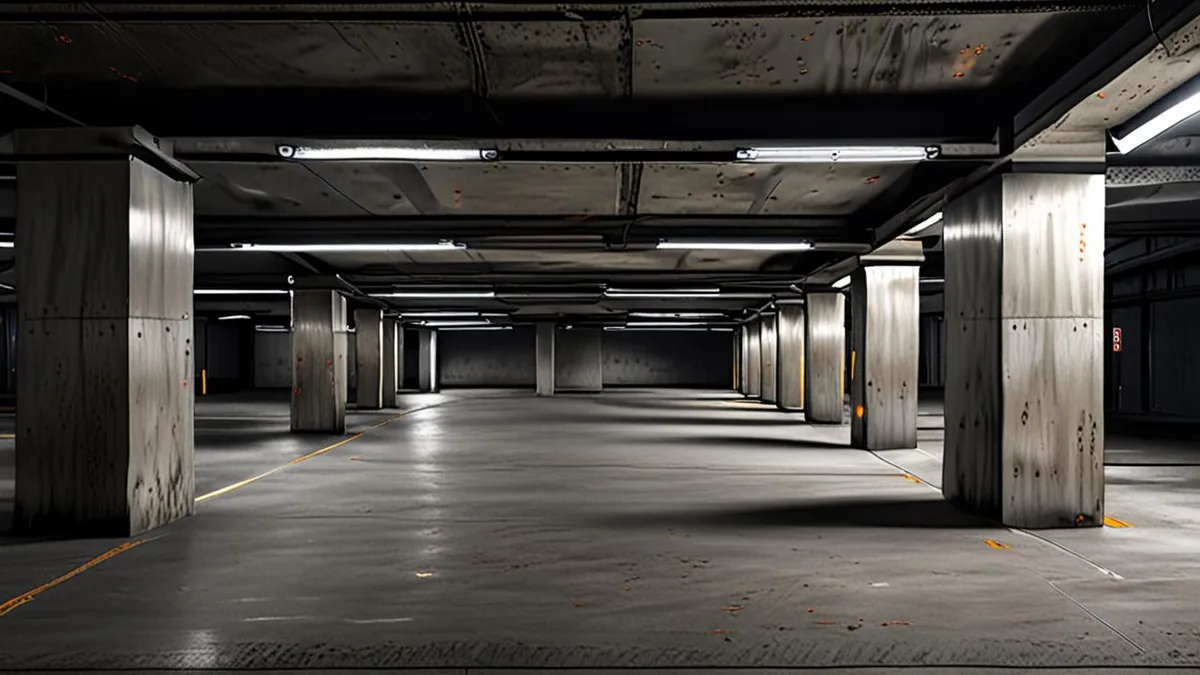
On-site hotel parking is the easiest option by far. You pull into the garage, take the elevator upstairs and never think about your car again until checkout. That convenience comes at a price, though, as on-site garages usually charge premium daily rates, especially in urban locations where space is tight.
Off-site parking flips the trade-off. Public garages near hotels often cost 10-20 EUR per day, and many are just a short walk from your room. For a multi-night stay, the savings can easily cover a couple of restaurant meals. The catch is that you’ll carry your luggage that distance, and you’ll want to feel comfortable with the neighborhood, particularly if you plan to return to your car after dark.
Before you settle for the priciest option, ask the hotel what arrangements it has with nearby garages. Some properties validate tickets at partner garages, which cuts the cost even further. A quick question at booking or check-in can turn a full-price garage stay into a discounted one. Here’s what to compare:
- Distance and route: check whether the walk from a public garage crosses busy roads or involves stairs with your luggage.
- Overnight rules: some public garages switch to different rates or access hours at night, so confirm you can retrieve the car whenever you need it.
- Security level: a partner garage recommended by the hotel is often monitored, while a random cheaper lot a few blocks away may not be.
Self-Park, Valet and Other Service Levels
Most hotels offer more than one level of parking service, and knowing the differences helps you pay only for what you actually need. Self-park is the cheapest tier and gives you full control of your keys. You find your own space, keep the car within reach and can load or unload luggage on your own schedule. For longer trips, that control matters: nobody else moves your car, and you can check on it whenever you like.
When valet makes sense
Valet parking typically adds 10-25 EUR per day over self-park rates, so it’s a real premium rather than a rounding error. What you get for that money is speed and convenience: you hand over the keys at the entrance and the car is brought around when you need it. That works well for short stays, especially one-night stopovers where you arrive late and leave early. It’s also the practical choice if you’re traveling with heavy luggage, small children or anyone who would struggle with a long walk from a garage level.
For anything beyond a night or two, though, self-park usually wins on value. A five-day stay could add 50-125 EUR or more just for the valet service, money that might be better spent elsewhere. If you do choose valet, ask whether tips are expected on top of the daily rate so you can budget for the full cost.
How to Check Parking Before You Drive
Finding out your hotel’s parking situation after you have already arrived is one of the most avoidable travel frustrations. A few minutes of checking before you leave home can save you both money and a stressful loop around the block with your luggage in the trunk. It also gives you time to compare options calmly instead of settling for the first expensive spot you find while traffic piles up behind you.
- Check the rate details and amenities list. Most booking sites and hotel websites include a parking line somewhere in the rate details or amenities section. Read it carefully, because some rates include parking while others at the same hotel charge for it separately.
- Email or call ahead. Reach out 1-2 weeks before arrival, especially for city stays. Confirm that spaces are actually available on your dates and ask for the current daily rate in writing, since listed prices can lag behind reality. If you drive a taller vehicle, such as a van or a car with a roof box, ask about height limits too, as some garages simply cannot take them.
- Ask whether a reservation is needed. City garages can fill up by evening, particularly on weekdays and during events. If your hotel’s garage takes reservations, making one is usually free and guarantees you are not hunting for a spot at 9 p.m.
Keep the confirmation email on your phone so you can show it at the front desk if there is any confusion about your rate or reservation. Screenshot it as well, in case you have no signal when you arrive. And if the hotel cannot answer your questions clearly, treat that as a signal to look into nearby public garages as a backup before you set off. A little preparation here takes ten minutes and removes one of the most common sources of arrival-day stress.
Hidden Parking Costs and How to Avoid Them
The daily rate on the sign is rarely the whole story. Hotel and garage parking comes with a handful of extra charges that only show up when you are already committed, and on a longer trip they can quietly double what you expected to pay. The frustrating part is that every one of these fees is avoidable if you ask the right questions before you arrive.
The biggest trap is the in-out fee. Many garages charge every time you exit and re-enter, which turns a simple dinner outing or day trip into an extra charge each time. Overnight rates can also differ from the hourly prices advertised at the entrance, so a garage that looks cheap by the hour may not be cheap by the night. Vehicle size matters too, since some garages restrict certain cars to specific levels or will not take them at all.
- In/out privileges: Confirm upfront whether unlimited exits are included. On a multi-day trip, these fees can add 10-30 EUR per day if you use the car regularly, so it is one of the most valuable questions you can ask.
- Overnight versus hourly pricing: Ask specifically for the overnight rate, not the posted hourly price, and compare it against the daily rate at nearby public garages.
- Vehicle restrictions: If you drive a van, a car with a roof box or a taller vehicle, ask about maximum height limits and which levels accommodate larger cars before you commit. Low clearance barriers at the entrance are a common surprise.
A short email asking about in-out rules, overnight rates and height limits takes minutes to send and removes nearly all of these surprises. Get the answers in writing so you have something to point to at checkout if a charge you never agreed to appears on your final bill.
Parking and EV Charging at Hotels
If you drive an electric car, hotel parking takes on a second dimension: you are not just looking for a space, you are looking for a plug. The good news is that charging infrastructure at hotels has grown quickly in recent years, but it is still far from universal, especially outside major cities.
Where to find charging points
EV charging points are most common at 4-5 star properties and at chain hotels, where standardized facilities are rolled out across locations. Smaller independent hotels and budget properties are less likely to have chargers, though this is changing as more travelers switch to electric. If charging matters to you, filter your search by hotels that list an EV charger among their amenities rather than assuming one will be there. Some booking platforms let you do this directly; otherwise, check the hotel’s own website or send a short email before booking.
How to secure a spot and what it costs
Charging spots are limited, often just a handful of spaces per property, so request one when you book rather than hoping one is free when you arrive. A confirmed reservation for a charging spot is worth far more than a generic parking space, particularly if you rely on an overnight charge to continue your journey.
Pricing models vary from one hotel to the next. Some properties charge only for the electricity you use, while others require you to pay for a full parking spot on top of the charging cost. Ask which model applies before you arrive, and check whether the charger matches your car’s connector type or whether you need to bring an adapter. One quick phone call ahead of your trip covers all three questions: availability, pricing and plug compatibility.
Planning Your Hotel Parking Budget
Parking should never be a surprise you discover at the check-in desk. A road trip that looked like a bargain can quietly gain 20-50 EUR per day in city-center parking fees, while a suburban hotel down the road might let you park for nothing. Knowing which category your hotel falls into is the difference between a planned expense and an unwelcome one.
The fix takes little time: compare on-site, valet and nearby garage options before you book, weigh the convenience against the daily rate, and confirm rates, in/out rules and EV access 1-2 weeks ahead of arrival. A short email or phone call covers all three. If this guide helped you budget smarter, leave a comment with your own parking finds or share the article with a fellow road tripper.