Planning a winter lodge break in the Nordics sounds simple until you start booking. The season is short, daylight above the Arctic Circle can shrink to just a few dim hours, and the most atmospheric lodges sell out many months in advance. Add temperatures that regularly drop below -20°C and remote locations with no shops or restaurants nearby, and it becomes clear why a bit of planning goes a long way.
This guide walks you through the whole process, step by step. You’ll find advice on picking the right window for your trip, choosing between Finnish and Swedish Lapland or the Norwegian fjords, and selecting a lodge that actually handles the cold. We also cover booking lead times and realistic costs, packing for -25°C conditions, and how to plan activities so short winter days work in your favor. By the end, you’ll know exactly what to book, when to book it, and what to throw in your bag.
When to Go: Picking Your Winter Lodge Break Window
The reliable snow season across the Nordics runs from late November to early April. Outside that window you’re gambling with the weather, so if snowmobiling, husky sledding or cross-country skiing are the reason for your trip, stay within those months.
December is the most magical and the most complicated choice. Above the Arctic Circle, polar night means the sun never properly rises, leaving only 4-6 hours of twilight each day. That’s atmospheric for candlelit evenings and festive markets, but it also means peak seasonal demand, so lodges fill early and prices climb. Book this window far ahead or consider an alternative.
The sweet spot: February and March
For most travelers, February and March hit the balance best. The days are noticeably longer, the snow is deep and stable after months of accumulation, and the skies tend to be clearer — which improves your odds of catching the northern lights. Temperatures are also more manageable, typically sitting between -5°C and -15°C rather than the deep midwinter lows.
One caution: avoid the shoulder weeks of late October and April if snow activities are your priority. Snow cover at the edges of the season is unpredictable, and some operators run reduced schedules or close entirely.
Choosing the Right Nordic Region for Your Lodge Stay
The Nordics cover a lot of ground, and the right region depends on whether you’re chasing convenience, darkness or drama. Here’s how the main options compare.
Easy logistics: Finnish Lapland
Finnish Lapland, built around hubs like Rovaniemi, Levi and Saariselkä, is the natural pick for first-timers and families. Airports are close to the main resort areas, transfers are straightforward, and there’s a dense concentration of family-friendly activities — Santa villages, reindeer farms, gentle sledding hills — all within easy reach of your lodge.
Dark skies and wilderness: Swedish Lapland
If the northern lights are the whole point of your trip, Swedish Lapland is hard to beat. The area around Abisko has a well-earned reputation for clear skies, and Kiruna makes a good base for more remote wilderness lodges. Expect fewer crowds and a wilder, quieter feel than the Finnish resorts.
Norwegian fjord regions offer something different again: a lodge stay combined with dramatic coastal scenery, where steep mountains drop into dark water and coastal temperatures run milder than inland. For a closer look at what’s available, see this guide to Norway’s fjord lodges with the best views.
Finally, southern Norway and the Swedish lake areas are the budget-friendlier option. Winters are gentler, prices are lower, and the terrain suits cross-country skiing trips rather than deep-Arctic adventures.
How to Choose a Winter Lodge That Handles the Cold
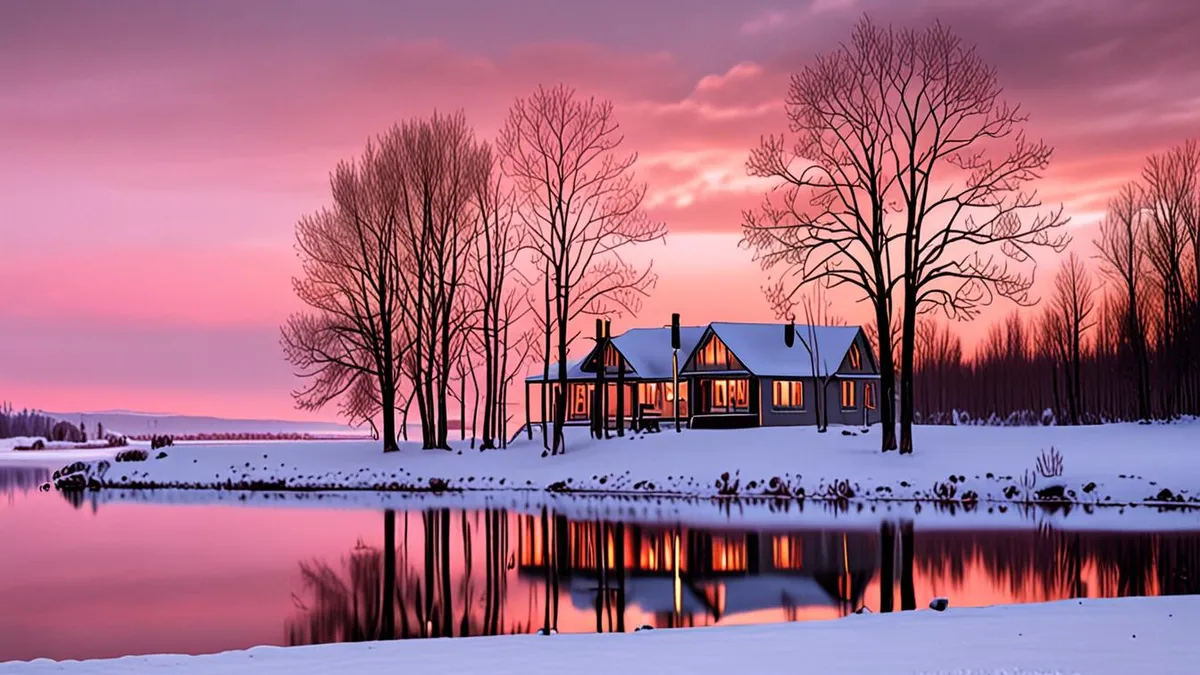
A lodge that looks charming online can be miserable in practice if it isn’t built for serious cold. In Lapland, temperatures commonly range from -5°C to -25°C in midwinter, so the basics matter far more than the decor. Prioritize lodges that treat proper insulation, a sauna, a drying room and heated boot storage as standard features rather than luxuries. After a morning outside, you’ll want somewhere warm to dry gloves and boots overnight, and a sauna to thaw out in the evening. Ask the lodge directly how the rooms are heated — underfloor heating and individual room thermostats are good signs, while a single portable heater is not.
Location logistics matter just as much. Many Lapland lodges sit a couple of hours from the nearest airport, and remote properties often have no alternative dining within easy driving distance, so meals become part of the booking decision, not an afterthought. Check whether the lodge has a restaurant on site or offers meals on request. The same principles apply elsewhere — if you’re weighing options in other mountain regions, this guide to choosing a ski lodge in the Alps covers similar ground and is worth a read before you commit.
Booking Lead Times and Costs for Nordic Winter Lodges
Nordic winter lodges are small, and the good ones fill fast. For December and February dates at popular properties, book 6 to 9 months ahead. This is especially true for family-focused lodges in Finnish Lapland and for glass-roof aurora cabins, which often sell out a season in advance for the festive period.
Because rates vary so much between lodge tiers, it pays to compare what is actually bundled in rather than just the headline nightly price. At the top end, rates often include half-board meals, airport transfers or guided activities, which can make a pricier lodge better value than it first appears. A remote property with no restaurant nearby and no transfer included will cost you more in practice than the booking page suggests.
When to book for the best value
January, excluding New Year week, and March are the cheapest windows with the best availability. You still get deep snow and, in March, longer days and strong northern lights odds, often at noticeably lower rates than the December peak. If your dates are flexible, shifting a festive trip to mid-January can free up both rooms and budget.
One detail catches many travelers out: remote properties in high season commonly require a minimum stay of 2 to 4 nights. Check this before you build your flights around a short break, and ask directly about meal plans and transfers when you enquire — small lodges often answer emails personally and can tailor a package. If you are weighing up regions, our guide to Sweden winter lodges for snow travelers covers what Swedish Lapland properties typically charge and include.
Packing and Preparing for -25°C Lodge Conditions
Winter in the far north is a different kind of cold. Temperatures in Lapland commonly sit between -5°C and -25°C in midwinter, and dry, still air makes it feel sharper than the number suggests. The solution is a proper layer system: a merino base layer against your skin, an insulated mid-layer such as fleece or down, and a windproof shell rated for -25°C on top. Cotton kills warmth — leave jeans and cotton hoodies at home.
Daylight is the other thing to plan around, because in the darkest weeks the far north barely gets any proper light at all. You will be moving around the lodge grounds, walking to dinner or heading out for aurora viewing largely in the dark, so think less like a summer traveler and more like someone packing for a night hike that lasts all day. Beyond clothing, a few small items make a big difference:
- Grip ice cleats that stretch over your boots — lodge paths, village roads and aurora-viewing spots are routinely packed ice, not snow, and cleats turn nervous shuffling into normal walking.
- A headlamp with fresh batteries — it keeps your hands free for camera tripods, dog leads or car doors, and a red-light mode preserves your night vision while waiting for the lights.
- Lip balm and thick moisturizer — the air indoors is aggressively dry from heating, and cracked lips and knuckles are the most common minor complaint among winter visitors.
- A thermos — most lodges and tour operators provide hot juice or coffee, and a warm drink mid-activity extends how long you comfortably stay outside.
- Spare gloves and a spare hat — gloves get wet from snowball fights, dog sledding and camera handling, and damp gloves lose their warmth fast. Having a dry pair waiting back at the lodge is a small luxury you will appreciate.
Do pack swimwear, even if it seems absurd for the Arctic. Saunas and hot tubs are a staple of Nordic lodge culture, and most guests use them daily after time in the snow. Many lodges also ask guests to wear swimwear in shared sauna spaces, so a towel-friendly outfit keeps things simple.
Finally, think about bare skin. At -20°C and below, exposed skin stings within minutes, so remove metal jewelry — rings and earrings conduct cold painfully fast — and use touch-screen gloves so you can photograph the lights without pulling a glove off. A buff or neck tube pulled up over your nose and cheeks is worth more than any single expensive item in your bag; it protects the skin that most people forget until it hurts.
Planning Activities Around Your Winter Lodge Break
With only a handful of daylight hours, a lodge break in the Nordics rewards restraint. Plan one main activity per day, keep evenings free for the sauna and dinner, and you will enjoy far more than if you cram the schedule. The short days are not a limitation — they are the rhythm of the trip.
Chasing the lights and booking winter activities
Northern lights tours run best between November and March, and the smart approach is to book locally once you arrive. Clear-sky forecasts are only reliable a day or two ahead, so lodges and local operators run flexible, short-notice departures. Many will even wake guests if the sky clears after midnight.
Husky sledding, snowmobiling and ice fishing are typically half-day activities costing €80-200 per person. That usually covers thermal outerwear, instruction and a guide, so you do not need to buy heavy gear for a single outing. Book one or two of these in advance for peak weeks, but leave a slot open for a spontaneous aurora night.
Do you need a rental car?
Generally, no — at least not up north. In Lapland, arranged lodge transfers are safer than self-driving on icy, dark roads, and most activity operators pick you up directly. A rental car makes more sense in southern Norway and Sweden, or in the fjord regions, where distances are shorter and you will want the freedom to stop at viewpoints along the coast.
Your Nordic Winter Lodge Trip at a Glance
A Nordic winter lodge break comes down to three things: a short season, limited daylight and lodges that sell out early. Travel between late November and early April, with February and March the sweet spot for longer days, stable snow and good northern lights odds. Choose Lapland for family-friendly snow activities, Abisko for aurora chasing, or the Norwegian fjords for dramatic coastal scenery.
Book 6-9 months ahead for December and February dates, and budget €120-250 per night for a mid-range lodge or €300-600+ for premium and glass-roof options. Pack for -25°C with a proper layer system, plan one main activity per day and let the sauna evenings do the rest. If this helped you plan your trip, leave a comment or share the article with a fellow traveler.