Figuring out the best time to book a lodge holiday can feel like a guessing game. Book too early and you might pay a rate that later drops; book too late and your favorite lakeside cabin is gone. The truth is that timing depends on the season, the region, and how flexible your dates are.
This guide walks you through the booking windows that actually matter. We cover when to lock in summer lodge stays, how far ahead to plan ski trips over the peak winter weeks, and why May and September often deliver the best value of the year. You will also find advice on winter sun in the Canary Islands, chasing the northern lights in the north, and practical ways to spot genuine lodge deals. By the end, you will have a simple booking plan matched to your season and budget, so you can reserve with confidence instead of second-guessing every price you see.
When Is the Best Time to Book a Lodge Holiday in Europe?
There is no single ideal booking window for a lodge holiday — it all depends on when you plan to travel. For a summer lodge stay between June and August, you will find the widest choice by reserving 3-6 months ahead. In practice, that means starting your search in January to March for a June-August trip. This is especially true for popular lakeside and family lodges, which fill their summer calendars early.
Shoulder-season stays work differently. If you are eyeing May or September, you can often book just 1-2 months ahead and still find good availability. These months sit outside the peak rush, so lodges rarely sell out far in advance.
Why booking very early can backfire
Outside peak weeks, reserving too far ahead rarely helps. Many lodges release their final deals and last-minute rates closer to the date, so locking in a year in advance can mean paying more than a traveler who waits. The smart approach is to book early only for high-demand weeks, then stay flexible and watch prices for everything else.
Summer Lodge Holidays: Timing and Prices
Summer is when lodge holidays in Europe are at their most expensive, with peak prices in July and August. But the season bookends offer a genuine bargain. June and September still deliver long daylight hours and warm water for lake swimming, yet prices typically run 20-40% lower than the peak weeks. If your dates are flexible, shifting a trip by a few weeks is the single easiest way to save.
Where to go and when
Finland and Sweden are the standout destinations for lakeside lodge stays, and they shine from mid-June to August, when water temperatures peak and the long Nordic evenings stretch late into the night. If a sauna by the lake and midnight sun appeal to you, our guide to Finland lakeside lodges for summer holidays covers what to expect and how to plan.
Families face a different constraint. Family-friendly lodges in Spain and the UK sell out first for school holiday weeks in July and August, sometimes many months in advance. If you are tied to those dates, book as early as possible rather than waiting for a deal that may never appear. Travelers without school-age children should aim for June or September instead, when the same lodges are quieter and cheaper.
Winter and Ski Lodge Trips: Booking Windows
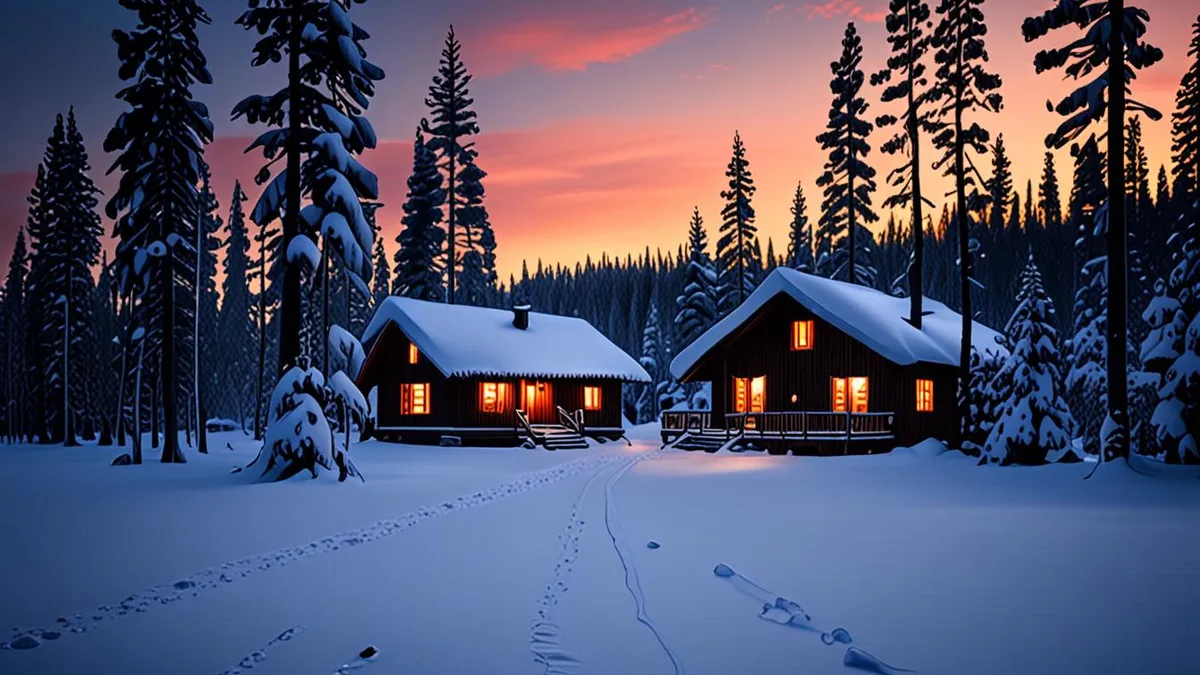
The ski lodge season in the Alps runs from December to April, but prices swing dramatically across those months. Alpine ski lodges are priciest over Christmas, New Year and February half-term, when demand from families and holidaymakers peaks. For those weeks, book 4-6 months ahead. Waiting until autumn for a Christmas or February week usually means slim pickings and top rates.
Quieter and cheaper weeks
If your dates are flexible, January and mid-March offer quieter slopes and noticeably lower rates than the peak weeks. The snow is typically still reliable, the lifts are less crowded, and lodges that struggled to fill January often discount their remaining rooms. Mid-March brings longer daylight for afternoon runs, making it one of the most underrated weeks of the Alpine season.
What to look for in a winter lodge
When comparing winter lodges, practical details matter as much as price. Look for ski-in access so you can step straight onto the slopes, and check for boot-drying facilities, which make a real difference after a wet day on the mountain. Our guide on how to choose a ski lodge in the Alps for winter trips walks through these features in more detail. Once you know what you need, match your booking window to your week: early for peak dates, flexible for January and March.
Shoulder Seasons: May, September and October
If you want the best mix of good weather, open facilities and fair prices, May and September are hard to beat for a lodge holiday in Europe. Trails are usually dry enough for hiking, lodge restaurants and spas are running their full programs, and rates typically sit 20-40% below peak summer levels. You get the same comfortable rooms and cooked breakfasts as July guests, without the crowds or the premium.
May works especially well in lower mountain ranges, where wildflowers are out and daytime temperatures suit long walks. September brings cooler, clearer air that many hikers actually prefer, plus a calmer atmosphere once school holidays end. In both months, you can often find a quiet table in the lodge dining room and a free trailhead parking spot before nine in the morning.
Where to go for quiet trails
Mountain lodges in Spain and Wales tend to be noticeably quieter during these months. The mountain lodges of Spain are a great example, with scenic trails that feel far more peaceful outside the summer rush. In Wales, the national park paths around popular ranges thin out considerably in late September, and lodges often have last-minute availability.
One caution for October: some high-altitude lodges close for the season or run reduced services once the weather turns. Before booking a late-autumn stay, check the lodge’s seasonal opening dates and confirm that restaurants, cable cars or shuttle services you plan to use are still operating. A quick email to the lodge can save you a cold, closed-door surprise.
Winter Sun and Northern Lights Timing
When the European mainland turns gray, the Canary Islands keep delivering proper lodge weather. From November to March, daytime temperatures typically sit between 18-24°C, which is warm enough for hiking, swimming pools and long lunches on the terrace. Lodges on Tenerife, Gran Canaria, La Palma and the smaller islands see steady demand through these months, especially from travelers escaping northern European winters, so the most popular properties fill up well in advance for the Christmas and New Year period.
Chasing the northern lights
For a very different kind of winter lodge trip, aim for Norway, Sweden or Finland during the aurora season, which runs roughly from late September to March. Book three to four months ahead, because lodges with glass roofs, aurora alarms or wilderness locations are limited in number and they sell out fastest for the darkest weeks around the winter solstice.
Your odds of seeing the lights depend heavily on where you stay, not just when. Dark, clear nights away from city light give the best aurora odds, so prioritize remote locations over towns. A lodge an hour from the nearest city, surrounded by forest or lakes, will outperform a comfortable town hotel every time. Check that the property sits away from light pollution, and look for extras like wake-up calls when activity spikes. The lights are never guaranteed, but a genuinely dark sky is the single biggest factor you can control when booking.
How to Spot the Best Lodge Deals
The difference between a good lodge deal and an overpriced one often comes down to timing and a little research. Start by setting price alerts four to six months before your trip. That gives you a baseline for what your chosen region normally costs, so you can recognize a genuine drop when one appears. While you watch, pay attention to midweek rates: at many lodges, arriving on a Monday or Tuesday instead of a Friday can undercut the weekend price by 20-30%, and midweek stays also mean quieter pools, saunas and trails.
It also pays to look beyond the famous regions. The same standard of lodge can cost very different amounts depending on the country, and the savings can fund extra nights or a nicer room. As a rough guide:
- Balkans as a value base: lodge nights in Serbia or Bulgaria often range from €40-80, and many sit in genuine mountain or lake settings rather than second-tier locations.
- The Alps premium: comparable lodges in the Alps typically run €150-300 a night, so you are paying roughly double or triple for the brand and the postcard setting.
- Direct booking perks: smaller lodges in shoulder season often reward direct bookings with flexible cancellation or free upgrades, perks that large booking platforms rarely pass on.
That last point is easy to overlook. Small, family-run lodges have the freedom to be generous in quiet months, and a direct email or phone call lets you ask about upgrades, late checkouts or flexible terms. If your dates are movable, mention that too. Owners would rather offer a small incentive than leave a cabin empty for a week, and a flexible traveler is exactly the guest they want.
Wrapping Up Your Booking Plan
So, when should you book a lodge holiday in Europe? Match your booking window to your season and region: summer lodges 3-6 months ahead, winter and ski lodges 4-6 months ahead for Christmas and February weeks. If your dates are flexible, May and September deliver the best value, while November to March suits both Canary Islands winter sun and northern lights trips in the north.
The main lesson is simple: peak weeks reward early planners, and shoulder-season deals reward flexible travelers. Decide which matters more to you, the exact week or the price, then book accordingly. If this guide helped you plan your trip, leave a comment or share it with a fellow traveler.