Torn between a log cabin under the Cairngorms and a hot tub overlooking a Welsh valley? You’re not alone. Both countries do the lodge holiday brilliantly, but they suit very different trips, and picking the wrong one can mean long drives you didn’t want or crowds you didn’t expect. This Scotland vs Wales lodge holiday guide breaks the decision down into simple, practical choices.
Below, we compare the two countries side by side, then map out the best lodge areas in each: the Highlands, Loch Lomond and the Cairngorms in Scotland, and Snowdonia, the Brecon Beacons and Pembrokeshire in Wales. We’ll cover when to book and what you’ll typically pay, how the seasons change the experience from summer lochs to winter mountains, and finish with a clear checklist to help you choose between them. By the end, you’ll know exactly which country fits your dates, budget and driving patience.
Scotland vs Wales Lodge Holiday: Which Suits Your Trip
Scotland wins on scale, plain and simple. The Highlands and the Cairngorms offer vast wilderness, big lochs and lodges that genuinely feel remote, even when they’re only a couple of hours from a city. Driving from Edinburgh to the central Highlands takes around 2 to 3 hours, and the payoff is scenery on a grand scale: wide glens, dark forests and water that stretches to the horizon.
Where Wales fits better
Wales is built for shorter, easier trips. Its national parks are compact, so you can base yourself in one lodge and reach mountains, waterfalls and coastline without long transfers. Snowdonia (Eryri) and the Brecon Beacons (Bannau Brycheiniog) sit within about an hour of Cardiff, and the whole country is a straightforward drive from English cities.
The simplest way to decide: choose Scotland for drama and scale, longer stays and big road-trip routes. Choose Wales for value, gentler drives and a 2 to 4 night break that doesn’t eat your whole trip in transit. Both deliver proper lodge comfort; the difference is how far you’re willing to travel to get it.
Best Lodge Areas in Scotland
Scotland’s lodge country splits into three easy-to-understand zones, each with a different feel, and knowing the difference helps you pick the right base before you book. The Highlands around Aviemore and Loch Ness are the classic choice, mixing lochside settings with deep pine forest and the sense of remoteness most people picture when they think of Scotland. Loch Lomond and the Trossachs appeal to travelers who want the scenery without a marathon drive, since lodges there typically sit within 1 to 2 hours of Glasgow, making arrival day far less tiring. The Cairngorms round things out as the true year-round option, working just as well for a snowy February break as for a midsummer hiking trip. Whichever direction you head, driving from Edinburgh to the central Highlands typically takes around 2 to 3 hours, so plan your first day around the road rather than assuming you’ll arrive by lunchtime.
- Aviemore and Loch Ness: Aviemore works well as a hub because lodges cluster near a real town with shops, restaurants and a train station, which is handy if you’re traveling without a car or want easy evening meals. Loch Ness lodges trade convenience for water views and the chance to spot the famous (and elusive) resident, so check how far the nearest village is before committing.
- Loch Lomond and the Trossachs: This is the easiest Scottish lodge trip from Glasgow, making it a strong pick for a spontaneous weekend when you don’t want to commit to Highlands distances. Roads are generally quicker and better signed than further north, and you can still find quiet forest settings within the park itself.
- The Cairngorms: Britain’s largest national park supports both summer hiking from the door and winter snow trips, so the same lodge can serve two very different holidays. If you’re aiming for a December to February stay, book early because snow-season weekends in popular spots fill up fast.
Whichever zone you pick, expect forest tracks, single-track roads on the final approach and a lodge that feels a world away from the city you left. Pack for changeable weather even in summer, and check the exact access route with your host if you’re driving anything larger than a standard car, since some lodge lanes are narrow and steep. A little planning here makes the remote feeling a pleasure rather than a chore.
Best Lodge Areas in Wales
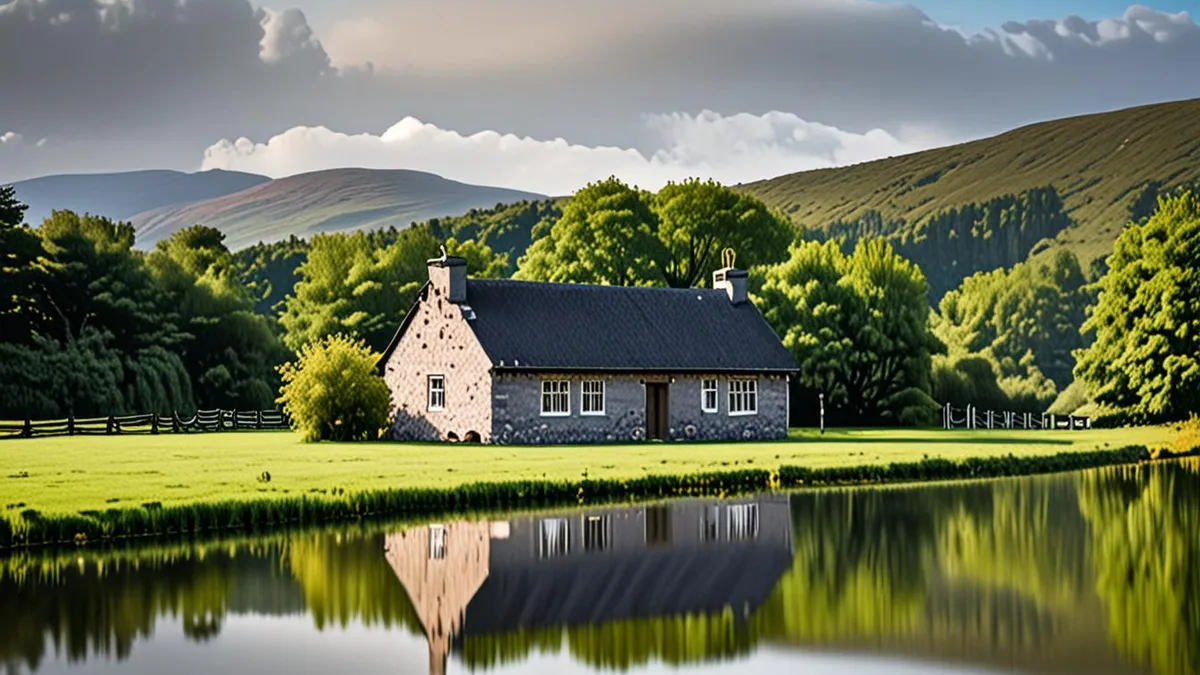
Wales packs three very different lodge landscapes into a small country, which is exactly why it works so well for a lodge break. Snowdonia (Eryri) is the mountain heavyweight, with lodges sitting close to Wales’ highest peaks and a proper adventure-trip feel: slate valleys, glacial lakes and trails that start almost from the door. The Brecon Beacons (Bannau Brycheiniog) offer the opposite mood: quiet valleys, sheep-dotted hillsides, waterfalls and some of the darkest night skies you’ll find in Britain. Pembrokeshire brings the coast, with clifftop walking paths and sandy bays reachable from many lodges, so you can mix cabin comfort with sea air.
If mountains are the main draw, it’s worth reading our guide to Wales mountain lodges for adventure trips before you book, as Snowdonia lodges vary a lot in how close they sit to the big peaks.
- Snowdonia (Eryri): Popular bases cluster around the northern edge of the park, where you’re within striking distance of the mountain railway and the lakes, but prices and availability tighten fast in summer.
- The Brecon Beacons (Bannau Brycheiniog): The park holds official dark-sky status, so lodges here often advertise stargazing as a feature, and the drive from Cardiff takes about an hour.
- Pembrokeshire: Coastal lodges put you near the Wales Coast Path, meaning you can walk a clifftop section in the morning and be back at your hot tub by afternoon.
For a first Welsh lodge trip, the Brecon Beacons are the easiest to plan: the drives are short, the walking is gentle and the stargazing is a genuine bonus after dark. For drama and a full-on mountain atmosphere, head north to Eryri instead, and expect to spend more time on winding roads once you’re there. Pembrokeshire suits travelers who want the lodge plus beach combination, especially outside the peak months when the coastal towns calm down. Whichever you choose, check what’s included in the lodge itself, as hot tubs, firewood and kitchen setups differ noticeably between parks in all three areas.
When to Book and What You’ll Pay
Lodge holidays in Scotland and Wales sit in a similar price band, so your budget rarely decides the destination for you. Expect to pay roughly £90 to £250 per night in both countries, depending on the season, the size of the lodge and how close it sits to the water or the mountains. Wales often comes in at the lower end of that range, especially for midweek stays in the Brecon Beacons or Pembrokeshire.
Peak season runs from June to August, and that is when the most desirable lodges disappear first. If you have your heart set on a lochside lodge in the Highlands or a mountain-view cabin in Snowdonia for a summer trip, book 3 to 6 months ahead. Leave it later and you will usually be choosing from what is left, not what is best.
The shoulder-month advantage
May and September are the smart traveler’s months in both countries. The scenery looks almost identical to high summer, with greener hills in May and golden glens in September, but rates drop noticeably and lodge sites are far quieter. You can often get the same hot tub and the same view for less money, with easier parking and quieter walking trails thrown in.
Seasonal Trips: Summer Lochs vs Winter Mountains
Both countries change character completely with the seasons, and the best lodge choice depends on when you are traveling. In summer, from June to August, Scotland’s lochside lodges come into their own: long daylight hours, calm water for kayaking and evenings on the deck that stretch late into the night. The same months suit coastal stays in Pembrokeshire, where clifftop walking is at its best and the sea is as warm as it gets.
Winter in the Cairngorms
From December to February, the Cairngorms become a genuine base for snow trips. You get short days, real mountain weather and lodges built for it, with wood burners and hot tubs that feel earned after a day on the slopes or the trails. If a snowy lodge break appeals, it is worth reading our guide to winter lodges in Sweden for snow travelers for ideas on what a proper snow-season cabin stay can look like.
Autumn color, fewer people
Autumn is the underrated season in both countries. Forest lodges in the Trossachs, the Cairngorms and Snowdonia sit surrounded by gold and rust, and you will share the trails with far fewer walkers than in peak season. Rates soften too, which makes a cozy fireside break easier to justify.
How to Choose Between Them
The simplest way to decide is to look at how long your trip is and how far you are willing to drive. Scotland rewards travelers who want remote scenery and are happy to put in the miles, whether that is the drive north from Edinburgh into the central Highlands or a full road trip along the North Coast 500. Wales works differently: Cardiff to the Brecon Beacons takes about an hour, which makes a short break genuinely easy to organize without much planning.
Access matters more than people admit. If you live in Birmingham or Manchester, Wales is a short drive away, so you can leave after work on a Friday and be in a lodge valley before dark. Scotland usually demands a fuller day of travel, which suits a longer holiday rather than a quick weekend. Neither approach is better; it just depends on how much time you can realistically set aside.
Match the lodge to the trip
Once you have picked a country, pick the lodge with the same care. A one-bedroom lodge with a hot tub and a view is a very different booking from a five-bed cabin with a games room. Before you commit, check:
- Hot tub position: a private tub on a secluded deck suits couples, while a shared or overlooked one rarely feels special.
- Bedroom layout: families should look for multi-bedroom cabins with at least two bathrooms, or mornings become a queue.
- Drive time to trailheads: in the Cairngorms especially, some lodges sit a fair drive from the main walking starts, so check the distance if you plan to hike daily.
- Phone signal and wifi: remote Scottish lodges can have patchy coverage, which is a feature for some travelers and a problem for others.
It is also worth reading recent guest reviews before booking, particularly for winter stays. A lodge that feels secluded and romantic in June can feel cut off if a storm rolls in, so check how the access road holds up and whether the owner provides clear directions for the final stretch.
Scotland or Wales: The Bottom Line
So which country should you pick? If you want drama, scale and that remote, end-of-the-map feeling, Scotland delivers it in a way few places can. If you want a shorter, cheaper break that’s easy to reach from English cities, Wales makes far more sense. Both lodge scenes peak from June to August at £90 to £250 per night, so either book early or shift your trip to May or September for quieter sites and lower rates.
For us, the choice comes down to time and budget. A long, scenic escape points north; a 2 to 4 night recharge points to the Welsh hills. Whichever way you lean, we’d love to hear where you’d book your lodge — leave a comment or share this article with someone who needs a break.