You want a lodge right on the water in Scotland, but it is hard to know which lochs, regions and seasons actually deliver a true waterside stay. Listings throw around phrases like “loch views” and “lochside setting”, yet some of those lodges sit well back from the shore or look across a distant sliver of water. Scotland lochside lodges vary enormously, and choosing the wrong one can turn a dreamy waterside break into a drive-everywhere holiday.
This guide walks you through the essentials. We compare the best regions, from Loch Lomond to the Great Glen, Argyll and Perthshire, and explain when to book for the best mix of price and weather. You will also find realistic cost expectations, practical tips for spotting a genuine waterside lodge, and advice for planning your days by the loch, before a short wrap-up to pull it all together.
Why Choose Scotland Lochside Lodges for a Waterside Break
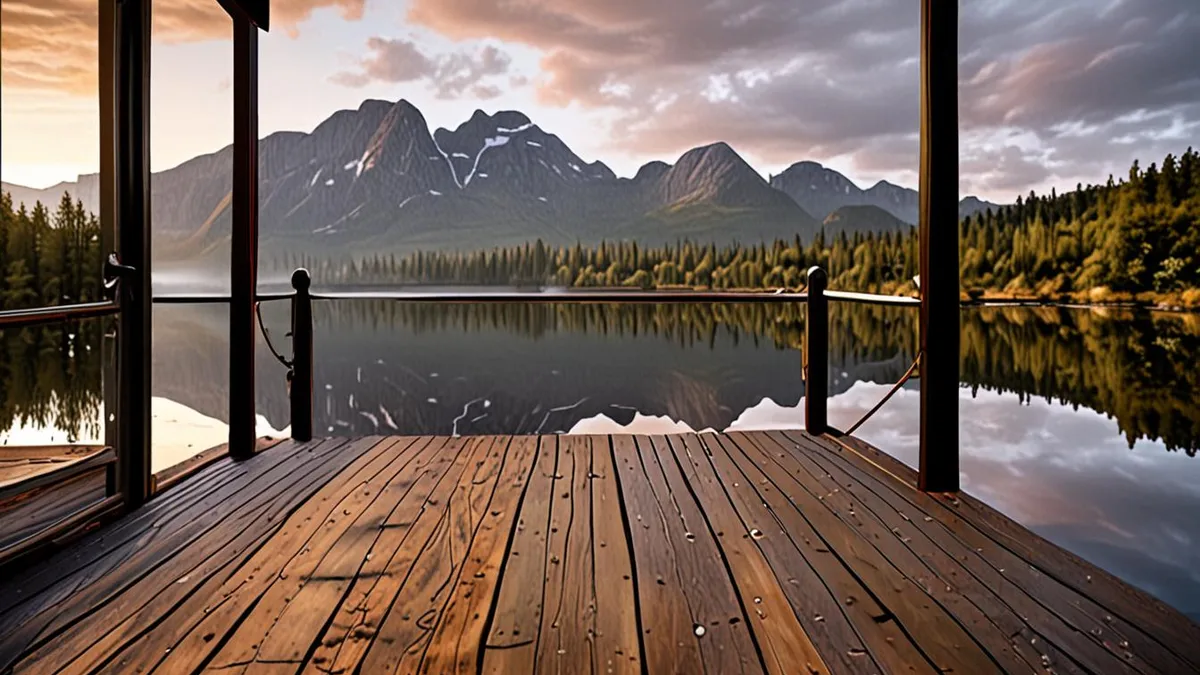
There is something about waking up to water that no inland lodge can copy. On lochs like Lomond, Ness and Awe, the view changes constantly: mist burning off in the morning, light shifting across the surface through the day, and long dusks in summer when the water seems to glow. That scenery is there every time you look up from your coffee, not just on a planned excursion.
Water activities on your doorstep
Many lochside lodges give you direct access to the water from their own grounds. That means you can carry a kayak down to the shore, find a quiet wild swimming spot within a few steps, or follow a shore walk without ever getting in the car. If you bring your own paddleboard or hire one nearby, a lodge with private water access turns every spare hour into time on the loch.
Suitable for couples and small families
Lochside stays work just as well for a romantic escape as for a small family trip. Water-facing lodges commonly come with hot tubs and decks, so you can soak or eat outdoors while the loch does the entertaining. Couples tend to favor the quieter, more remote shores, while families often appreciate lodges with level access to the water and space to spread out. Either way, the combination of scenery, activities and a private base is hard to beat.
Best Regions for Lochside Lodges in Scotland
Scotland has dozens of lochs with lodges along their shores, and each region suits a different kind of traveler. Some areas put you within a short drive of villages, shops and family attractions, while others trade convenience for real seclusion, where the only evening soundtrack is water lapping the shore. Knowing the character of each region before you book saves a lot of disappointment later, because a lodge that sounds remote and romantic on a listing page can feel isolating if you actually wanted cafes and boat trips within walking distance.
The four areas below cover the full range, from the most accessible loch in the country to quiet, forest-fringed shores where you may not see another soul for hours. Think about who is traveling with you, how much driving you are happy to do each day, and whether your priority is scenery or amenities before you settle on a region.
- Loch Lomond and the Trossachs: the easiest lochside base to reach from Glasgow, with family-friendly villages like Luss and Balloch offering cafes, boat trips and easy shore access. It suits first-time visitors and families who want a taste of the lochs without a long transfer.
- Great Glen and Loch Ness: a central base for day trips to Inverness, with castle stops like Urquhart adding history to a waterside stay. The glen’s road links make it simple to explore in different directions each day.
- Argyll and Loch Awe: quieter, forest-fringed shores that suit travelers who want seclusion over amenities, with long stretches of undeveloped woodland reaching the water’s edge. Expect to drive further for supplies and plan meals ahead.
- Perthshire around Loch Tay: a middle ground of scenery, activities and short drives, where you can combine lochside relaxation with hills, walks and local attractions without long journeys. It works well for mixed groups with varied energy levels.
If you want maximum convenience with kids in tow, start with Loch Lomond. If castles, cruises and a Highland base appeal, the Great Glen is hard to beat. For genuine quiet, Argyll wins, and Perthshire balances the two nicely. Whichever you choose, match the region to your travel style rather than the prettiest photo, and your lochside break will feel effortless from the moment you arrive.
When to Book a Lochside Lodge in Scotland
Timing shapes a lochside break more than most travelers expect. The same lodge can feel like a completely different holiday depending on when you go, both in price and in the atmosphere on the water.
Peak season: warm water, busy shores
June to August brings the warmest water and the longest days, which is ideal if swimming and long evenings on the deck are your priority. The trade-off is the highest prices and the busiest shores, especially on weekends and around school holidays. Popular water-facing lodges fill up quickly, so a little flexibility on dates goes a long way.
The sweet spot: May and September
For most travelers, May and September hit the balance best. The weather is typically mild, rates drop noticeably from summer levels, and the lochs feel calmer. The water is cooler than midsummer, but for paddling, shore walks and hot tub evenings it is more than adequate. If your dates are flexible, aim here first. The same shoulder-season logic applies elsewhere in Europe, too: a stay at one of Finland’s lakeside lodges in summer rewards travelers who pick the quieter weeks around the peak.
How far ahead to book
Reserve summer weekend stays 3–6 months ahead to secure the best water-facing lodges. Winter trips can often be booked 4–8 weeks out, when availability is much easier and prices are lower. One more thing to expect: minimum stays of 2–3 nights are common on weekends and school holiday dates, so plan around that rather than hoping for a one-night dash.
What Lochside Lodges Cost in Scotland
Lochside lodges in Scotland are more affordable than many travelers expect. A standard two-bedroom lodge with water views typically runs roughly £90–£250 per night, with the exact figure depending on the season, the size of the lodge and how close it sits to the shore. Smaller lodges in quieter spots sit at the lower end, while larger properties on popular lochs command the higher rates.
If you want the full luxury experience, expect to pay more. Premium lodges with hot tubs, saunas or private jetties can exceed £300 per night in summer, especially on sought-after shores like Loch Lomond. These properties book out fastest, so the highest prices usually come with the least availability.
Timing makes a real difference to your budget. Traveling in October or January can cut rates by around a third compared with July, and you will often get the same view for a noticeably smaller bill. Winter stays also tend to have more flexible minimum-stay rules, though always check the terms before booking.
One of the easiest ways to save is to share. Splitting a larger 3–4 bedroom lodge between two families lowers the per-person cost significantly, and most bigger lodges are designed for exactly this: multiple bathrooms, roomy kitchens and plenty of outdoor space on the deck.
- Check whether linen and towels are included. Some budget-priced lodges charge these as an add-on per person, which can add a surprising amount to a family booking.
- Ask about heating costs in winter. A few lodges meter electricity separately, so a cozy January break can cost more than the nightly rate suggests.
- Compare pet fees if you are bringing a dog. Waterside lodges often welcome pets, but many add a supplementary charge per animal per stay.
- Look at weekly rates for longer breaks. Many owners discount a full week below the cost of seven individual nights, particularly outside the peak summer months.
How to Spot a Genuine Waterside Lodge
Not every lodge marketed as “lochside” actually sits on the water. The wording in listings matters more than the photos, so read it closely. A phrase like “loch views” can mean a distant glimpse between trees or from an upstairs window, while “lochfront” or “private shore” usually signals direct water access from the property itself. If the description is vague, treat that as a warning sign rather than modesty.
Features that prove a true waterside plot
Certain features are hard to fake. A private jetty, a shoreline deck or steps leading down to the water all point to a genuine waterside position, because no one builds them for a lodge that sits back from the shore. Cross-check the listing photos against a map or satellite view: if you can see the lodge footprint right at the waterline, you have found the real thing. If the nearest water on the map is a field or a road away, the marketing is doing the work.
Reviews are your second line of defense. Skip past comments about the comfortable sofas and search for mentions of the view and the water access specifically. Guests who wake up to lochfront scenery tend to say so repeatedly, and they will also flag the disappointment of a “view” that turns out to be a sliver of water past the car park.
Check the practical side too
Remote beauty comes with trade-offs. Confirm the drive time to the nearest shop before you book, because some remote Highland lochs can mean 45+ minutes of driving for basic supplies. A lodge that looks perfect on screen becomes less charming when you realize every forgotten loaf of bread costs an hour of your holiday.
Planning Your Days by the Loch
A lochside lodge rewards a bit of planning. The water shapes everything here, from the weather to the midges, so pack accordingly. Bring layers you can add and shed through the day, since conditions on the lochs shift fast, and pack midge repellent if you are traveling during the two main midge seasons, roughly May–June and August–September. A good repellent and a fine-mesh head net are cheap insurance against a ruined evening on the deck.
Structure your days around the water rather than fighting it. Boat cruises run on Loch Ness and Loch Lomond and give you a different perspective on the shoreline, while paddleboarding is easy to arrange at the busier lochs. Shore walks are the simplest pleasure of all, and most lodges give you direct access to one.
- Do a full food shop before you arrive. Many lochside lodges sit 30–60 minutes from a full supermarket, and village shops stock limited ranges at higher prices, so plan your meals in advance and buy everything in one trip.
- Book water-based activities ahead in summer. Cruise departures and equipment rentals fill up quickly during the peak season, especially on Loch Lomond and Loch Ness, so reserving a slot avoids wasted drives.
- Keep a flexible indoor option in reserve. Weather on the lochs can turn within hours, so have a backup such as a nearby castle, distillery or visitor center for the wet afternoons.
- Check sunrise and sunset times for photography. Long summer evenings mean the light over the water can last late, and a short walk from your deck often finds the best angle.
Finally, build in at least one slow morning on the deck with coffee and the view. It is tempting to fill every day with drives and activities, but the whole point of a waterside break is the water itself, and the calm early hours are when the lochs are at their best.
Wrapping Up Your Lochside Lodge Trip
If your ideal break means stepping out of the door and being beside the water, Scotland lochside lodges deliver exactly that across Loch Lomond, the Great Glen, Argyll and Perthshire. Each region suits a different kind of traveler: Lomond for easy access, Loch Ness for a central touring base, Loch Awe for quiet and seclusion, and Loch Tay for a balanced middle ground.
Timing matters as much as location. May and September offer the best balance of price, weather and quiet, while summer weekends should be booked 3–6 months ahead. Before you commit, verify true water access rather than relying on a distant loch view, and you will secure the best value for your waterside break. If this helped you plan your trip, leave a comment or share the article with a fellow traveler.