Many travelers book a lodge without knowing whether meals, towels, heating or activities are included, only to face surprise costs on arrival. A linen fee at a cabin, a dinner bill at a remote mountain lodge or a missing kitchen can quickly change what felt like a good deal. The word “lodge” covers everything from simple self-catering cabins to staffed properties with restaurants, saunas and activity desks, so inclusions vary more than most people expect.
This guide breaks down what a typical lodge stay actually covers. We start with the basics every staffed lodge should provide, then look at meals and dining, housekeeping and practical extras, and the facilities you can use beyond your room. We also explain how season and location change what is included, and how to check the details before you book. By the end, you will know exactly which questions to ask so there are no surprises when you arrive.
What a Lodge Stay Includes at the Basic Level
At the most basic level, a lodge stay means having your own private space. Most staffed lodges give you a room or an entire small cabin with beds made up and ready to sleep in. Bed linen and towels are standard at the majority of these properties, so you can arrive with just your clothes and toiletries. This is one of the main differences from camping or some holiday rentals, where you may need to bring your own bedding.
Heating and hot water come as standard too, though the form they take depends on where the lodge is. In Nordic and alpine regions, a wood-burning stove in the living area is common, and many properties add a sauna for guests. Bathrooms are the one area where price level really matters, so it pays to read the room description carefully before booking.
Here is what typically separates lodge types at the basic level:
- En-suite bathrooms are the norm at mid-range and luxury lodges, with a private toilet and shower inside your room or cabin.
- Shared bathrooms appear more often at budget lodges, usually down the corridor, which is one reason rates there sit at the lower end of the roughly €60 to €250+ per night range.
- Full kitchens define self-catering lodges: instead of restaurant access, you get a stove, fridge, cookware and crockery so you can prepare all your own meals.
- Wood-burning stoves in Nordic and alpine lodges often come with a supply of firewood included, though a few properties charge separately for extra bundles.
Meals and Dining: What Is and Is Not Included
Meals are where lodge stays differ the most, so this is the area to check first. Breakfast is included at roughly half of staffed lodges, usually served as a buffet or a set menu between 7:30 and 10:00. If breakfast matters to you, look for the word “included” next to the rate rather than assuming it is part of the deal.
Half-board at remote lodges
At remote mountain and forest lodges, half-board is common: breakfast plus dinner, often served at fixed times in the lodge’s own dining room. This makes practical sense when the nearest restaurant is a long drive away or simply does not exist. Half-board usually costs extra on top of the room rate, but it removes the need to plan evening meals in areas with few options.
Self-catering and dietary needs
Self-catering lodges rarely include any meals at all. You get the kitchen instead, so budget for groceries before you travel and check how far the nearest shop is. In genuinely remote areas, the closest supermarket may be an hour away, so plan one big shopping trip on arrival. If you need vegetarian, vegan or gluten-free meals at a staffed lodge, mention it when you book. Kitchens in smaller lodges order food in advance and usually require notice to accommodate special diets, so a request made at check-in may be too late.
Housekeeping, Services and Practical Extras
Housekeeping depends almost entirely on the type of lodge you book. Hotel-style lodges typically offer daily housekeeping, with beds made and towels replaced while you are out for the day. Self-catering lodges work differently: cleaning often happens weekly for longer stays, or on request if you want fresh towels midweek. Neither approach is better than the other, but knowing which one you have booked helps you pack sensibly and plan your days without expecting a tidy room every evening.
Wi-Fi is standard at most lodges now, but do not count on fast speeds everywhere. In remote forest and mountain locations, the connection can be slow or drop out entirely, especially during bad weather. If you need to work or stream during your stay, message the property about connection quality before booking rather than discovering the problem on arrival.
A few practical extras are worth confirming in advance:
- Parking is usually free on site at lodges, which is a small but real saving compared with city hotels where daily charges add up quickly.
- Airport transfers are a paid extra at most lodges, so arrange one well in advance or check whether a rental car or public transport makes more sense for your route.
- Final cleaning is sometimes charged as a separate fee at self-catering lodges, on top of the nightly rate, so ask for the total cost before you commit.
- Linen fees apply at some self-catering cabins, typically €10–20 per person, even where staffed lodges include linen and towels as standard.
Facilities You Can Expect Beyond Your Room
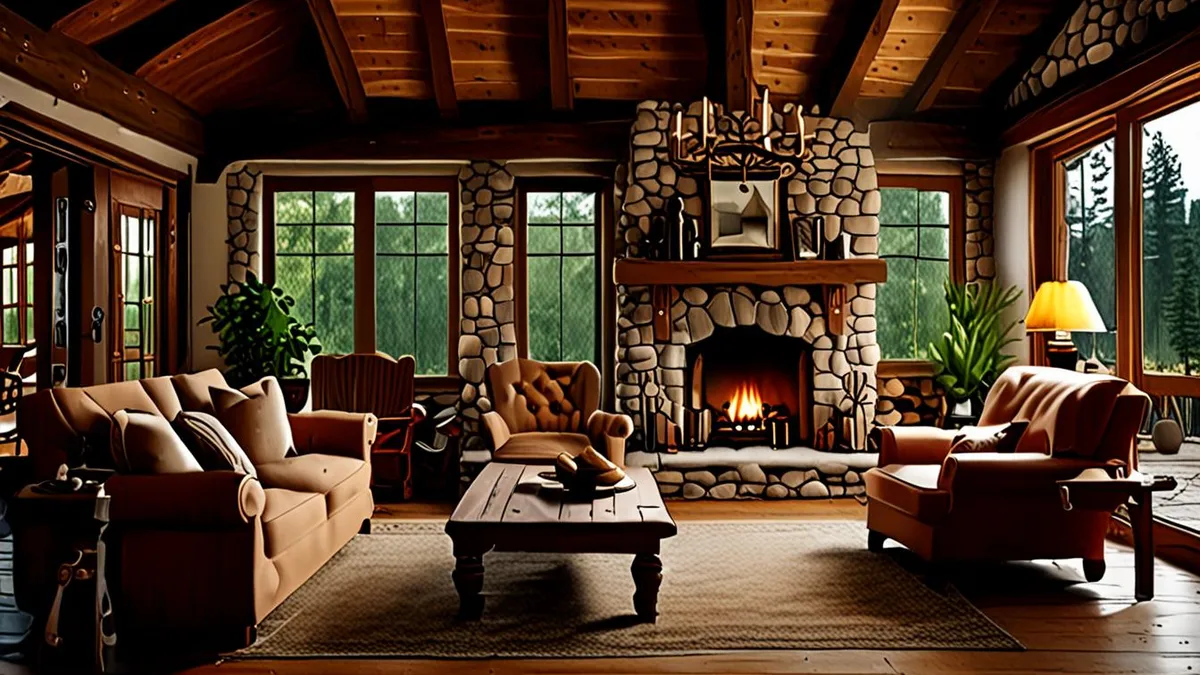
A big part of the lodge experience happens outside your room. Most lodges share common areas such as lounges with fireplaces, reading corners and terraces where guests gather for breakfast, an evening drink or simply to watch the weather change. In practice, these spaces often become the heart of the stay, especially in remote spots where there is nowhere else to go after dark.
Wellness facilities are another area where lodges differ sharply by region. Saunas, hot tubs and small wellness areas appear mainly in Nordic and alpine properties, and while many include them in the room rate, some charge a small fee or ask you to book a private slot. If a sauna or hot tub matters to you, confirm whether it is shared, private, free or paid before you commit.
Bigger lodges, bigger facilities
Larger lodges often work more like small resorts. You may find an on-site restaurant and bar, equipment rental for skis, bikes or fishing gear, and an activity desk that arranges guided hikes, safaris or boat trips. These extras can save you a lot of planning, but they can also add meaningfully to your bill, so check what is included and what costs extra.
The type of guest a lodge targets also shapes its facilities. Family lodges typically add play areas, games rooms and connecting rooms, which makes sharing the space easier. Couples-focused lodges go the other way: fewer shared facilities, more privacy, and often quieter locations. Matching the lodge style to your travel party is one of the simplest ways to avoid disappointment.
How Season and Location Change What Is Included
What a lodge includes is rarely fixed year-round. The same property can throw in very different extras depending on the season and how remote it is, so it pays to think about when and where you are booking.
Winter in the mountains
Ski lodges in the Alps often bundle practical winter extras into the rate, such as ski storage rooms and boot dryers, and sometimes lift-pass deals negotiated with nearby resorts. These inclusions can save both money and morning hassle, so they are worth weighing carefully when comparing properties. Our guide on how to choose a ski lodge in the Alps for winter trips walks through this in more detail.
Summer by the water
Lakeside and coastal lodges flip the pattern in summer. Kayaks, rowing boats and bikes are frequently included at no extra cost, since the whole appeal of the location is being outdoors. If free equipment matters to your trip, ask whether it is first-come-first-served or reservable.
Location also drives the dining setup. Remote lodges lean toward full-board because nearby restaurants are limited or simply nonexistent, so meals become part of the package rather than an optional extra. Meanwhile, shoulder-season stays in May–June and September–October often come with upgrades or free extras as lodges work to fill rooms. If your dates are flexible, these quieter months can stretch your budget noticeably further than peak season.
How to Check Exactly What Your Lodge Stay Includes Before Booking
Lodge listings can be surprisingly vague, and two properties at the same price can include completely different things. One might bundle meals, cleaning and equipment storage into the rate, while the other charges for each separately. A few minutes of checking before you book is the easiest way to avoid surprise fees and pick the better deal.
- Read the room-rate description line by line. Board type, linen, cleaning and heating should all be listed for the specific rate you are looking at. If any of these is missing rather than stated as included, treat it as a question mark, not an assumption. Screenshot or save the listing as it appeared when you booked, so you have proof of what was promised if anything differs at check-in.
- Book 2–3 months ahead. This window usually secures the best availability and prices, and it gives you time to compare inclusions across several lodges while peak-season rates are still running 30–50% higher. Booking early turns price comparison into value comparison, because you can weigh what each lodge throws in rather than just the nightly number.
- Message the property directly. Ask specifically about linen fees in self-catering cabins, minimum stays on weekends and in high season, and whether final cleaning is charged separately. A short message now beats an unexpected charge at check-in, and the speed and clarity of the reply also tells you something about how the lodge is run.
- Compare budget and luxury options. With budget lodges starting from about €60 per night and luxury lodges from €250+, list what each tier actually includes — meals, housekeeping, facilities, activities — and judge which inclusions justify the price gap for your trip. A mid-range lodge with half-board can work out cheaper overall than a budget cabin plus restaurant meals every night.
Doing this once, before you pay, takes maybe twenty minutes and removes almost all of the guesswork. You will know exactly what your money covers, and comparing lodges becomes far easier when you are matching like with like. It also makes cancellation decisions simpler, since you already know what a cheaper alternative would leave out.
Wrapping Up: Knowing What Your Lodge Stay Covers
So, what is included in a lodge stay? At the most basic level, your room with beds, bed linen, towels, heating and hot water is covered at nearly every lodge. Beyond that, it depends on the type: hotel-style lodges often add breakfast and daily housekeeping, while self-catering lodges give you a full kitchen instead, with cleaning and linen fees sometimes charged separately.
The main differences between lodge types come down to meals, how often someone cleans your room, and which facilities you can use for free. That is why checking the inclusions before you book matters so much: it avoids surprise fees on arrival and makes it far easier to compare one lodge against another at a similar price. If this guide helped you sort out what your next lodge stay should cover, leave a comment or share it with a fellow traveler.