You know your destination and your dates, but one booking question keeps stalling the whole trip: lodge vs hotel. Both promise a bed and a roof, yet they deliver completely different experiences. A lodge puts you in the landscape; a hotel puts you at the center of the action. Picking the wrong one can mean paying for services you never use, or missing the ones you actually need.
This guide breaks the decision down into practical sections. We start with what genuinely separates a lodge from a hotel, then look at when a lodge is the better choice and when a hotel wins. From there, we compare price and what you actually get for your money, cover the location and logistics to check before booking, explain booking timing for peak lodge seasons, and finish with a simple way to choose the right stay for your trip. By the end, the choice should feel obvious rather than stressful.
What Separates a Lodge from a Hotel
At first glance, a lodge and a hotel might look like the same product with different décor. In reality, they are built around entirely different ideas of what a stay should be.
Lodges: built around the landscape
A lodge is a smaller, nature-focused property, often with fewer than 30 rooms. It is typically designed around a specific landscape — a forest, a fjord, a lakeshore or a mountain slope — with the views, trails and outdoor access treated as the main attraction. Many lodges include kitchens or self-catering options, and communal spaces like shared lounges or fire pits are common. Service is personal but lighter: you may not find room service or a 24-hour front desk.
Hotels: built around access and consistency
Hotels are larger, standardised properties, commonly exceeding 100 rooms, designed around city access rather than scenery. The priority is location — near stations, business districts or attractions — along with uniform service: daily housekeeping, reception around the clock, restaurants and often meeting facilities. Whether you book the same chain in two different countries, you generally know what to expect.
The real difference is experiential. Lodges sell seclusion and scenery; hotels sell convenience and consistency. Neither is better — they simply suit different kinds of trips, which is exactly what the rest of this article helps you work out.
When a Lodge Is the Better Choice
A lodge earns its place when the setting itself is the reason you booked the trip. If your days revolve around hiking trails, ski slopes, wildlife watching or simply sitting by a lake, the property should amplify that experience rather than distract from it. Lodges typically sit in mountains, forests, lakes or coastlines, so you step outside and you are already there.
They also suit travelers who prefer independence over full service. Instead of ordering room service, you cook in your own kitchen, and instead of a quiet corridor, you get communal spaces where you can meet other guests over coffee or after a day outdoors. And because lodges rarely exceed 30 rooms, couples and small groups get a level of privacy and calm that a 100-room hotel in the same area simply cannot offer. There is a budget angle too: lodge stays usually cost 10-30% less than comparable hotels in the same rural area, which matters if you accept fewer on-site services in exchange.
- Nature-first itineraries: if you plan sunrise wildlife drives, all-day hikes or lakeside mornings, staying where the activity starts at the door saves daily travel time and lets you catch the best light.
- Longer stays: a kitchen and laundry access make a week-long trip far more comfortable and affordable than eating every meal out.
- Group cooking evenings: communal dining areas and shared kitchens turn dinner into a social event rather than a reservation you had to make in advance.
- Work-free downtime: fewer on-site distractions — no business center, no lobby buzz — make lodges easier places to actually switch off.
When a Hotel Wins
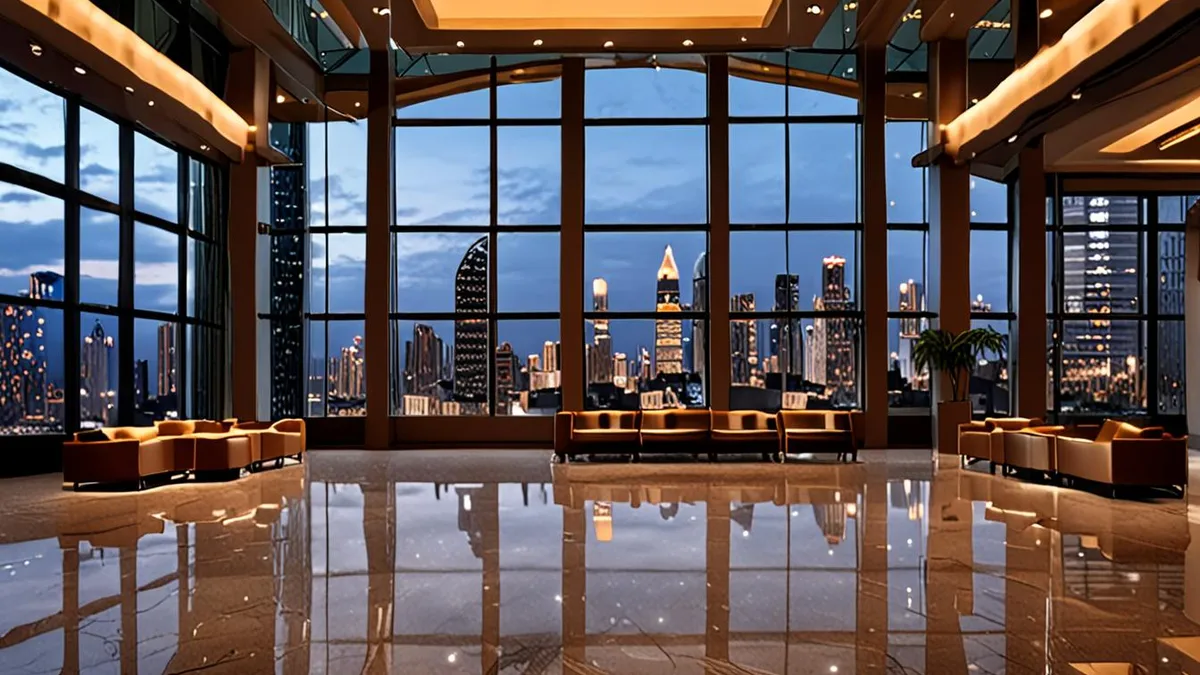
Hotels win whenever convenience beats scenery. On a city break, what matters most is walkable access to restaurants, museums and nightlife — not a view of the treeline. Being able to step out of your hotel and reach dinner, a gallery or a metro station in minutes changes how much you actually see and do, especially if you only have a couple of days.
Short stays are another clear hotel scenario. When you are somewhere for just 1-2 nights, you want daily housekeeping, 24-hour reception and room service working for you, because your time is too tight to handle logistics yourself. Arriving late from a flight? A staffed front desk at any hour is a genuine relief. Hotels also dominate city centers, so you save on transport within the city, and they more often include the services that make a quick trip frictionless. If you value predictable standards across destinations and price points — knowing the room, the Wi-Fi and the breakfast will be roughly what you expect — a hotel, particularly a chain, delivers that reliability.
- Business travel: reliable Wi-Fi, meeting spaces and airport transfers mean you can land, work and check out without improvising.
- Late arrivals and early departures: 24-hour reception and luggage storage handle odd flight times that many smaller lodges cannot.
- Event weekends: staying centrally puts you within walking distance of concerts, conferences or festivals, avoiding late-night transport costs.
- One-night stopovers: on a road trip or multi-city route, a standardized hotel room is the fastest, most predictable way to rest and move on.
Lodge vs Hotel: Price and What You Actually Get
Price is where the two stay types really diverge. In rural areas, lodges typically run 10-30% cheaper than comparable hotels, and one reason is simple: many lodge rooms come with kitchens or self-catering options. You are paying less for a room that expects you to cook, not less for less room.
That kitchen matters more than most travelers realize. Hotel restaurant prices add up fast, especially at remote properties where there are few alternatives and the kitchen knows it. Cooking even a few meals at your lodge can cut your food spending significantly over a week-long trip, which effectively widens that 10-30% accommodation saving even further.
What the hotel rate actually includes
Hotels look more expensive per night, but the rate bundles real services: daily housekeeping, room service, a 24-hour reception desk, and access to facilities like gyms or pools. On a short stay of one or two nights, that convenience is genuine value. You spend no time shopping for groceries, washing dishes or figuring out check-in windows, which is exactly what you want on a quick city trip.
Compare the total, not the nightly rate
The smartest move is to price the whole trip, not the room. A lodge that saves you $40 a night can lose that advantage if it sits an hour from the airport and you need a rental car plus fuel to reach it. Add up accommodation, transport, food and any extras for each option, then decide. Sometimes the cheaper nightly rate wins outright; sometimes the hotel’s bundled services and central location turn out to be the better deal overall.
Location and Logistics to Check Before Booking
Lodges and hotels sit in very different places on the map, and that shapes both your budget and your daily routine. Lodges are usually 20-60 minutes from major airports, so you will need to budget for a rental car or a shuttle service. Hotels in city centers remove most transport costs since you can walk to restaurants and sights, but they often charge for parking, which matters if you arrive by car.
Before you book either one, run through a short checklist of practical details. These are the things that catch travelers out most often:
- Seasonal road access: some mountain and forest lodges have limited winter road access, so confirm your route is open and whether you need winter tires or chains before driving up.
- Reception hours: many lodges are not staffed 24 hours like hotels, so if you land on a late flight, check whether someone will be there to hand over keys.
- Grocery distance: if your lodge has a kitchen, find out how far the nearest supermarket is, because a 40-minute drive for milk changes your meal planning.
- Parking fees: ask city hotels about parking costs in advance, since daily charges in busy centers can quietly add a noticeable amount to your bill.
Remote settings are part of the appeal, but they reward a little preparation. If you are weighing up a nature-focused stay, our guide to mountain lodges in Wales for adventure trips shows how location and access work in practice. A few emails before booking will tell you everything a hotel would have handled for you automatically.
Booking Timing for Peak Lodge Seasons
Timing your booking matters far more for lodges than for city hotels. Popular lodge regions typically book out 2-3 months ahead for the July-August summer peak, when hikers, families and lakeside holidaymakers compete for a limited number of rooms. Since many lodges have fewer than 30 rooms in total, even a handful of bookings can fill a property for a whole week.
Winter is just as competitive. December-February lodge stays, especially in ski areas, also sell out early, and the best-positioned properties near lifts and slopes go first. If you are planning a snow trip, it is worth reading how to pick the right ski lodge in the Alps for a winter trip before you commit to dates.
When to book for the best value
Shoulder months like May-June and September-October offer wider availability and softer prices, and often the same scenery with fewer people around. If your schedule is flexible, shifting a lodge trip by a few weeks can be the single easiest way to save money and get your pick of rooms.
City hotels rarely need the same lead time outside major events and holidays. Unless you are traveling during a big conference, festival or public holiday, you can usually book a hotel room days or a couple of weeks ahead without much penalty. The rule of thumb is simple: nature lodges reward early planners, city hotels reward flexibility.
Choosing the Right Stay for Your Trip
The answer comes down to how you travel, not where you travel. If your trip revolves around nature, longer stays, and privacy over polished services, a lodge usually fits better. If you want a city base, a short stay, and full services like daily housekeeping and a central location, a hotel is the safer pick.
Before booking, match the stay type to your trip goal and compare the total cost, including transport, rather than just the nightly rate. Get that alignment right, and the choice between lodge and hotel makes itself. If this helped you decide, leave a comment or share the article with a fellow traveler.