Choosing a resort in Austria can feel overwhelming. With hundreds of properties spread across the Alps, the lakes and the cities, it is hard to know which one actually fits your trip style and your budget. A family looking for a pool and kids’ club needs a very different place than a couple chasing quiet spa days or a skier who wants the slopes right outside the door.
This guide breaks the decision into manageable steps. You will start by picking your season, then narrow things down by region, stay type, budget and access, before learning when to book for the best rate. Follow the steps in order and the options shrink quickly from hundreds to a shortlist you can actually compare.
Start With Your Season: Winter Ski Trips or Summer Alpine Escapes
Your travel dates shape everything else, so settle them before you look at a single hotel. A resort that feels lively and convenient in February can feel half-empty and overpriced in November, and the reverse is true for hikers arriving in deep winter.
Winter: ski first
If skiing or snowboarding is the main goal, aim for a stay between December and mid-April. That is when most alpine resorts run their slopes at full capacity and when ski-in/ski-out services operate as advertised. Booking outside this window usually means limited lifts, patchy snow higher up and closed mountain restaurants.
Summer and the shoulder months
Summer travelers get a longer window, roughly May to October, with hiking trails, swimming lakes and running cable cars. July and August are the busiest weeks, so expect fuller pools and busier trailheads. If you want the same resorts with fewer people and lower prices, target June or September instead. The weather is generally still good for walking, the lakes are swimmable in early September, and you will often pay noticeably less for the same room. The trade-off is that some family-focused entertainment programs run on reduced schedules outside the peak weeks, so check what is operating if that matters to you.
Pick the Right Region for Your Resort in Austria
Austria is compact, but its regions feel surprisingly different, and picking the wrong one is the most common mistake travelers make. The country packs glaciers, lakes, vineyards and spa valleys into a small area, so a resort that is perfect for one traveler can be a poor match for another. Think about what you want to do each day, then match the region to that plan rather than choosing a resort first. A family that wants swimming lakes, a couple chasing spa time and a group of skiers will all be happiest in different corners of the country.
Tyrol is the classic choice for skiers and hikers who want postcard alpine villages surrounded by big, well-connected ski areas. If you picture wooden balconies, church spires and lift stations at the edge of town, you are picturing Tyrol. Salzburg state suits travelers who want to split their time between mountain days and culture, since the city of Salzburg makes an easy base for day trips and sits about 2.5 hours from Vienna by train. Styria and Carinthia, in the south and southeast, appeal to lake lovers and spa seekers who prefer milder weather and generally lower prices than Tyrol. Carinthia’s lakes warm up nicely for swimming in summer, while Styria’s thermal hotels draw wellness travelers year-round.
- Tyrol: home to some of the country’s largest linked ski areas, so you can ski a different sector every day from one base village.
- Salzburg state: many resorts here sit within easy reach of both slopes and the city, making a two-center trip practical without changing hotels.
- Styria: known for rolling green hills, thermal spa hotels and wine country, a good fit for travelers who want soft adventure rather than high alpine terrain.
- Carinthia: its warm swimming lakes are the main draw in summer, and resort towns there tend to feel more relaxed than the big Tyrolean ski hubs.
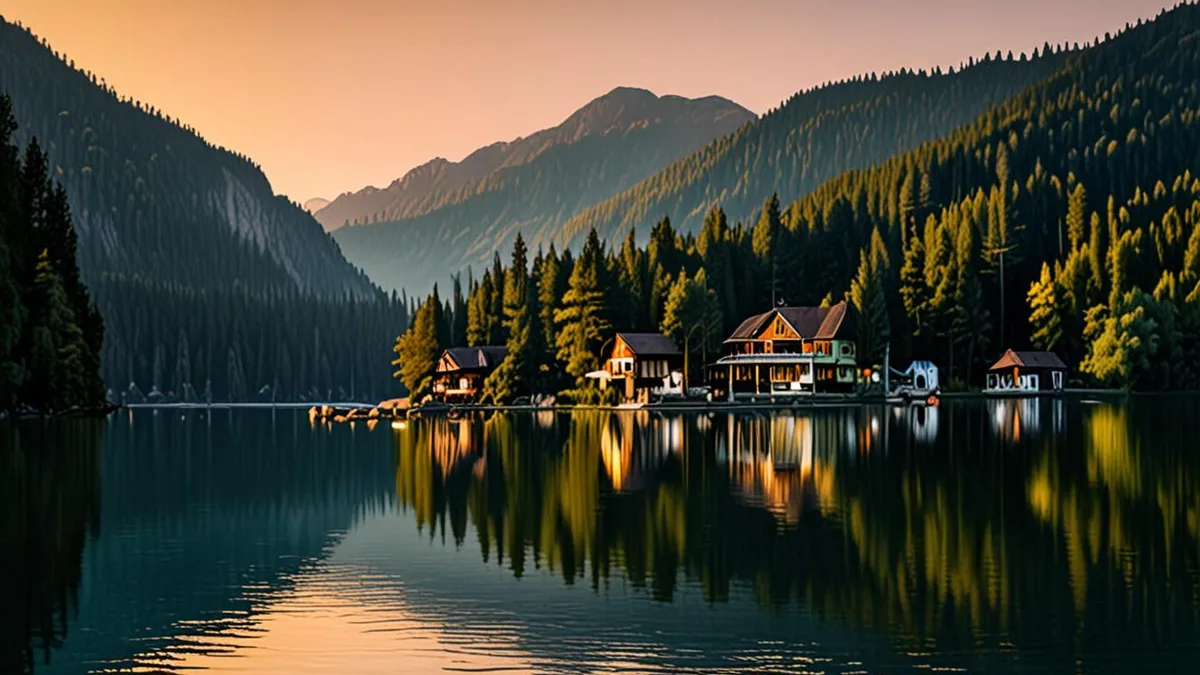
Match the Stay Type to Your Travel Group
Once you know your season and region, filter resorts by who is traveling with you. The same property can be perfect for a family and disappointing for a couple, simply because of how it is laid out and what it includes. A resort with a big kids’ pool and evening animation can feel lively to parents and noisy to honeymooners, so matching the guest mix to the property saves disappointment later.
Families should put kids’ clubs, a good pool and half-board packages at the top of their checklist. Half-board matters more than most people expect: many family resorts offer packages that can cut daily food costs by 30-40 EUR per person, which adds up fast over a week. Ask whether the children’s menu is included and if dinner service starts early enough for younger kids. Couples usually get more value from small wellness and spa resorts in quieter valleys than from large ski hotels, where the atmosphere skews toward families and groups. Adventure travelers should prioritize practical features over entertainment programs, since they will spend most of the day outside anyway.
- For families: check the minimum age for kids’ clubs and whether childcare runs on weekends, not just weekdays, before you book.
- For couples: look for adults-only or quiet-zone areas, and confirm whether the spa requires a reservation for treatments in high season.
- For adventure travelers: a locked gear storage room and direct trail or slope access from the hotel save more time than any evening program.
- For everyone: read recent guest reviews specifically for noise levels, since thin walls are a common complaint in older alpine buildings.
Set a Realistic Budget Before You Compare Resorts
Before you fall in love with a panoramic pool photo, decide what you can actually spend per night. In most alpine regions, mid-range resort rooms typically run 100-180 EUR per night in high season. That band covers solid three and four-star properties with pools, saunas and decent breakfasts, especially outside the most famous ski hubs.
Luxury properties in top ski areas play in a different league. They typically start at 250-400 EUR per night during peak weeks, and that figure can climb further in the most sought-after villages. If a resort quotes you far below these ranges in peak season, read the fine print for room size, view and included services.
Why half-board often wins on price
Mountain village restaurants are convenient but rarely cheap, and dinner plus drinks for two can add up quickly over a week. Half-board deals, which bundle breakfast and dinner into your room rate, often make a resort cheaper overall than booking room-only and paying for every meal separately. You also skip the nightly hunt for a table in a small village.
A practical approach: compare two or three resorts at the same price level, then check what each includes. One property at the top of your budget with half-board and spa access can beat a cheaper room-only option once you add real meal costs. Always ask what is included before you book, since inclusions vary widely between resorts.
Check Access and Transfers Before Booking
Austria’s resorts are well connected, but not all of them are easy to reach without a car. Tyrol and Salzburg resorts are generally reachable within 1-2 hours by car or train from Salzburg city, which makes it a convenient base for travelers arriving by rail. If you fly into Vienna instead, note that Vienna serves as an entry point for eastern regions, with Salzburg about 2.5 hours away by train, so factor that leg into your transfer day.
The trickiest cases are remote valley resorts. In winter, some valleys have limited bus service, snowy mountain roads and parking that may be paid or limited, so a rental car can become a necessity rather than a nice-to-have. Before you confirm any booking, check these points:
- Whether the resort runs its own shuttle or transfer service from the nearest train station, and whether it needs to be reserved in advance
- How reliable winter road access is to the valley, and whether the resort recommends snow chains or winter tires for rental cars
- Where the nearest grocery shop or bakery is, since remote villages may have limited options and you may want supplies for your arrival day
A quick email to the resort about transfers usually gets you a straight answer within a day. It is far easier to sort this out before booking than to arrive at a valley station at night with no ride.
Time Your Booking to Lock the Best Rate
Timing your reservation matters as much as choosing the resort itself. For winter trips, reserve your stay 3-6 months ahead for popular regions like Tyrol and Salzburg. This secures both the room type you want and a reasonable rate, because family rooms and ski-in/ski-out options in well-known villages tend to disappear first.
Summer bookings are more flexible. You can often plan a hiking or lake trip a few weeks out and still find good availability, but there is one clear exception: July-August weeks in lake and hiking resorts sell out early. Austrian families and German, Dutch and British travelers book these weeks well in advance, so treat peak summer like a winter deadline if you have fixed dates.
When last-minute deals actually appear
Last-minute discounts are real, but only in the right windows. Shoulder months like June and September see resorts trying to fill rooms, so flexible travelers can find genuine bargains then. In peak ski weeks around Christmas and February, however, last-minute deals rarely appear, and waiting usually means paying more or settling for a worse room.
A simple rule of thumb: the more popular the week, the earlier you should book. If your dates are fixed and fall in a school holiday or festive period, book as early as you can and look for flexible cancellation rather than waiting for a discount that may never come.
Wrapping Up Your Resort Choice in Austria
With hundreds of resorts spread over the mountains, the lakeshores and the cities, the easiest way to narrow things down is to work in order. Choose your season first, since that decision shapes everything else. Then work through your region, stay type, budget and access one step at a time, and you will quickly go from an overwhelming list to a shortlist that actually fits your trip.
Keep the 100-180 EUR mid-range and 250-400 EUR luxury price bands in mind when comparing options, so you know instantly whether a deal is fair. Book 3-6 months ahead for winter trips, and always check transfer options before you confirm. If you have a favorite Austrian resort or a question about planning your own trip, leave a comment or share this article.