Bulgaria is one of the cheapest places in Europe to sleep in a mountain lodge, yet most travelers have no idea what that actually means in practice. Will your lodge have a sauna? A restaurant? Can you book it a week before arrival, or do you need to plan months ahead? A lodge stay in Bulgaria can range from a cozy family-run chalet with a wood-burning stove to a simple village guesthouse where the owner cooks dinner and hands you a map of local trails.
This guide walks you through exactly what to expect. We cover what a typical lodge includes, the best regions from the Pirin Mountains to the Rhodopes, when to go for skiing or hiking and what prices look like in each season. You will also find practical advice on booking, getting there from Sofia and what to pack and ask before you arrive, so nothing about your stay comes as a surprise.
What a Lodge Stay in Bulgaria Actually Includes
Forget the image of a sprawling resort complex with a lobby fountain. Lodges in Bulgaria are typically family-run chalets or guesthouse-style properties, often with somewhere between 6 and 15 rooms. Many are converted village houses or purpose-built wooden buildings that blend into the mountain scenery, and you will usually deal directly with the owners rather than a front desk team.
Most lodges include breakfast in the room rate, and many offer home-cooked dinners on request. Expect local dishes like banitsa, shopska salad and grilled meat, often made with produce from the family’s own garden or from neighbors in the village. It is simple food, but it is exactly what you want after a day on the trails or the slopes.
Amenities you can reasonably expect
Standards vary, but common features include wood-burning stoves or fireplaces in the rooms or a shared lounge, free parking on the property and free Wi-Fi. Mountain lodges, especially in ski areas, frequently add a sauna, which is a treat after a cold day outside. Do not expect gyms, room service or large spa complexes at most properties.
Service with a personal touch
Service is informal and personal. Owners often double as cooks, drivers and guides, and they will happily arrange hikes, airport or slope transfers, or horse riding through local contacts. If you tell them what you want to do during your stay, they will usually make it happen.
Best Regions for a Lodge Stay in Bulgaria
Bulgaria is compact enough that you can pick a lodge region based almost entirely on what you want to do. Skiers and hikers gravitate to Bansko at the foot of the Pirin Mountains, about 150 km from Sofia and roughly a 2.5-hour drive. The town has a well-developed lift system in winter and marked trails into the national park in summer, so lodges there stay busy in both seasons.
Borovets, in the Rila Mountains, is the country’s oldest ski resort and one of the easiest to reach from the capital, which makes it a good pick for short trips. If quiet is what you are after, the Rhodope Mountains in the south are the calmest option, with forest lodges, scattered villages and spa towns like Velingrad where you can add thermal pools to your stay. For waterfall trails and rustic village lodges in summer, the Central Balkan range, known as Stara Planina, is hard to beat.
- Bansko: beyond skiing, the town has a cobbled old quarter with mehana taverns, so you can walk from the slopes to a wood-fired dinner.
- Borovets: the lifts give access to Musala, the highest peak in the Balkans, a demanding but rewarding summer hike for fit travelers.
- The Rhodopes: this is prime wildlife country, and hikers who enjoy remote ridges may also want to read about lodges for hikers in Tara National Park as a comparison for what mountain quiet really feels like.
- Central Balkan: the region’s national park protects some of Bulgaria’s wildest beech forests, and trailheads sit within walking distance of several village lodges.
When to Go: Seasons and Prices
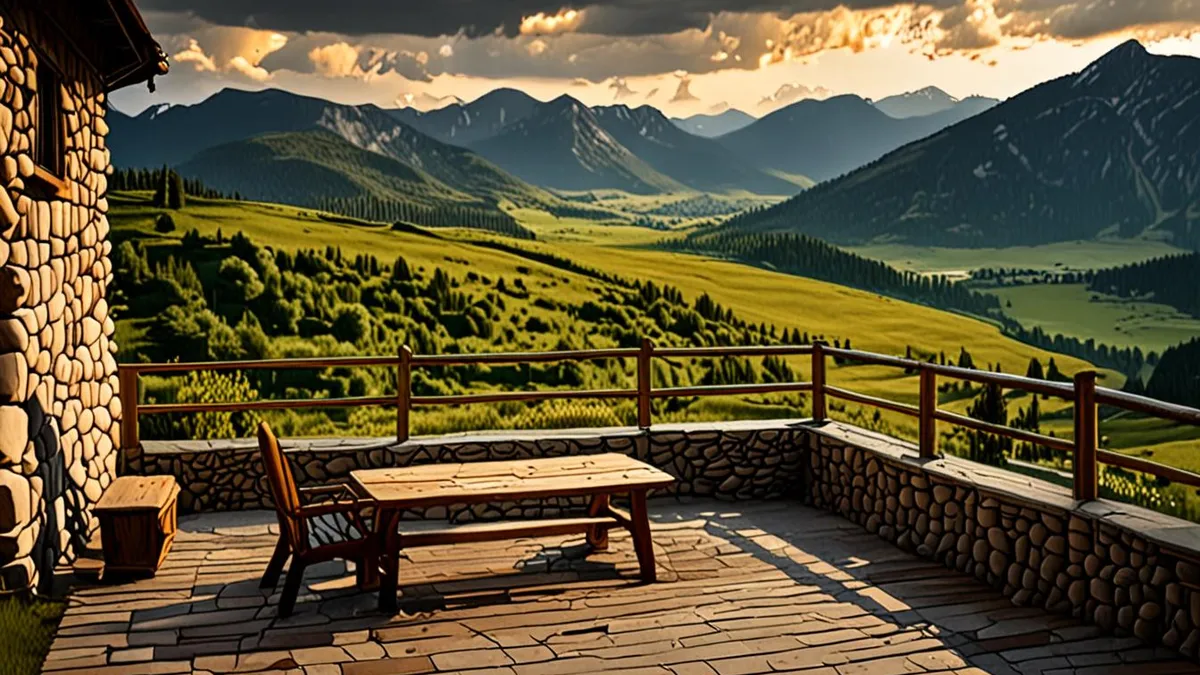
Timing shapes both the price and the atmosphere of a lodge stay. The ski season in Bansko and Borovets runs roughly from December to early April, with the most reliable snow in January and February. Lodge terraces empty out, fireplaces get busy, and ski-resort lodges in high season often charge 100-150 EUR per night, so book early if you want a specific property.
Summer and the shoulder months
The hiking season runs from June to September, when mountain lodges open their terraces and trails through the Pirin, Rila and Rhodope ranges are at their best. Evenings stay pleasantly cool, and villages fill with hikers rather than skiers, which gives lodges a slower, more local feel.
The shoulder months of May, late September and October bring the lowest rates and the emptiest trails. Weather can be less predictable, but this is when mid-range lodges cost 40-80 EUR per night for two people, sometimes at the bottom of that range, and owners have more time to chat and help you plan routes.
A practical rule of thumb: choose winter for skiing and festive atmosphere, choose June to September for hiking, and choose the shoulder months if saving money matters more than guaranteed sunshine.
How and When to Book
Booking a lodge in Bulgaria works a little differently than booking a hotel chain. Many properties are small, family-run places with just a handful of rooms, so timing matters more than you might expect. There is rarely a front desk waiting for you at midnight, and the owner may personally prepare your room, cook your dinner and recommend the best trailhead. A few simple habits will save you money and stress.
- Plan winter weekends early. For Friday and Saturday nights in Bansko or Borovets, reserve 2-3 months ahead. Availability drops fast once ski season gets going, and the best-value lodges fill first. If you leave it late, you may end up paying more for a room further from the lifts.
- Relax about summer dates. For hiking season and shoulder-month stays, 3-4 weeks’ notice is usually enough, as long as you avoid national holidays when Bulgarian travelers are also on the move. Long weekends around public holidays book out quickly, so treat those like mini winter weekends.
- Expect a personal booking process. Smaller village lodges often take reservations by phone or email rather than through booking platforms, and many ask for a deposit by bank transfer. Keep a copy of the confirmation message on your phone, and save the owner’s contact details in case your plans change.
- Shift your stay to midweek. Rates are noticeably cheaper than Friday and Saturday nights in both winter and summer, and you will often get more attention from your hosts with fewer guests around. Midweek also means quieter slopes and emptier trails, which makes the whole stay feel more relaxed.
One last tip: before paying a deposit, message the owner to confirm exactly what is included, since breakfast and dinner arrangements vary from lodge to lodge. Ask about cancellation terms in the same message, because small lodges can be stricter or more flexible than big platforms suggest. A short email now prevents awkward surprises at check-in, and it also gives you a feel for how responsive your host will be once you arrive.
Getting There and Around
Nearly all travelers arrive in Bulgaria through Sofia, which makes the capital your natural starting point. From there, you have two realistic options for reaching the mountains: rent a car or use the country’s reliable bus network. Bansko sits about 150 km from Sofia, roughly a 2.5-hour drive on good roads.
Going by bus
Regular buses connect Sofia with Bansko, Borovets (via Samokov) and most Rhodope towns, and tickets are inexpensive. Buses work well if your lodge sits in or near a resort town, but check the return schedule carefully, as departures from smaller villages can be sparse.
Going by car
A rental car is worth it for Rhodope and Central Balkan lodges, where village roads can be rough and public transport thin. Having your own wheels also makes it easy to reach trailheads, taverns and neighboring villages at your own pace. In winter, ask whether your lodge offers airport transfers, since mountain roads can hold snow into March and a local driver who knows the route is a real advantage. If you do drive yourself, check current road conditions before setting out on any mountain route in the colder months.
What to Pack and What to Ask Before You Arrive
Packing for a Bulgarian lodge stay is mostly about preparing for mountain conditions rather than city conditions. Even during the summer hiking season, evenings at altitude stay cool, so layers and sturdy shoes belong in your bag year-round. A light rain jacket is smart in the mountains, where weather can shift quickly. Winter guests should add proper insulation, waterproof boots and grip-friendly footwear for icy paths around the lodge, plus a swimsuit if your property has a sauna.
Money is the other big one. Bring cash to exchange on arrival, because small village lodges and the family-run taverns nearby may not take cards. Withdraw enough for your whole stay, as ATMs can be scarce in the smaller mountain villages, and card payment is far more reliable in resort towns like Bansko than in remote hamlets.
Before you arrive, a quick message to your host saves hassle later. Ask about:
- Dinner availability. Many lodges cook home-style meals but need a day’s notice, and some only serve dinner if a minimum number of guests request it.
- Sauna access. In mountain lodges the sauna may run on set hours or require booking, so confirm how and when you can use it.
- The fireplace room. Find out whether the cozy fireplace lounge is shared with other guests or reserved privately, especially if you are traveling as a couple or a group.
- Winter access details. Ask whether parking is on a cleared road or whether you will face a short walk with luggage, and whether someone will help carry bags in snow.
With these questions answered in advance, you can arrive relaxed, skip the awkward surprises and go straight to enjoying the mountains. A little preparation goes a long way in Bulgaria’s quieter corners.
Wrapping Up Your Bulgaria Lodge Plans
A lodge stay in Bulgaria turns out to be exactly what many travelers hope for but rarely expect: family-run charm, home-cooked local food like banitsa and grilled meat, and mid-range prices of 40-80 EUR a night for two. That combination of warmth and value is hard to find elsewhere in Europe at this level.
The planning part is simple once you know the rhythm. Pick the Pirin or Rila Mountains if skiing between December and April is the goal, or head to the Rhodopes for quiet forest retreats. Book winter weekends 2-3 months ahead, and aim for May, late September or October when rates drop lowest. If this helped you plan your trip, leave a comment or share the article with a fellow traveler.