Choosing a hotel in Zagreb sounds simple until you realize the city has hundreds of options spread across districts that feel completely different. Pick the wrong area and you could find yourself hauling luggage up cobbled hills, riding trams back and forth, or lying awake while bar crowds spill onto the street below your window.
The good news is that Zagreb is compact, so a little planning goes a long way. This guide walks you through the decisions that matter most: which district fits your trip style, how to match your stay type to your travel plans, when to book for the best prices, what a realistic budget looks like, and the practical details—lifts, air conditioning, tram connections—that can make or break your stay. By the end, you’ll know exactly where to book and what to check before you confirm.
Pick the Right Area for Your Hotel in Zagreb
Zagreb divides naturally into a few distinct zones, and each one shapes your daily routine differently. For most first-time visitors, the lower town around Ban Jelačić Square is the smartest base. Staying here puts the main square, the city’s museums, and the café terraces within easy walking distance, so you can drop bags back at the hotel between sights instead of planning your whole day around them.
The Upper Town and the station districts
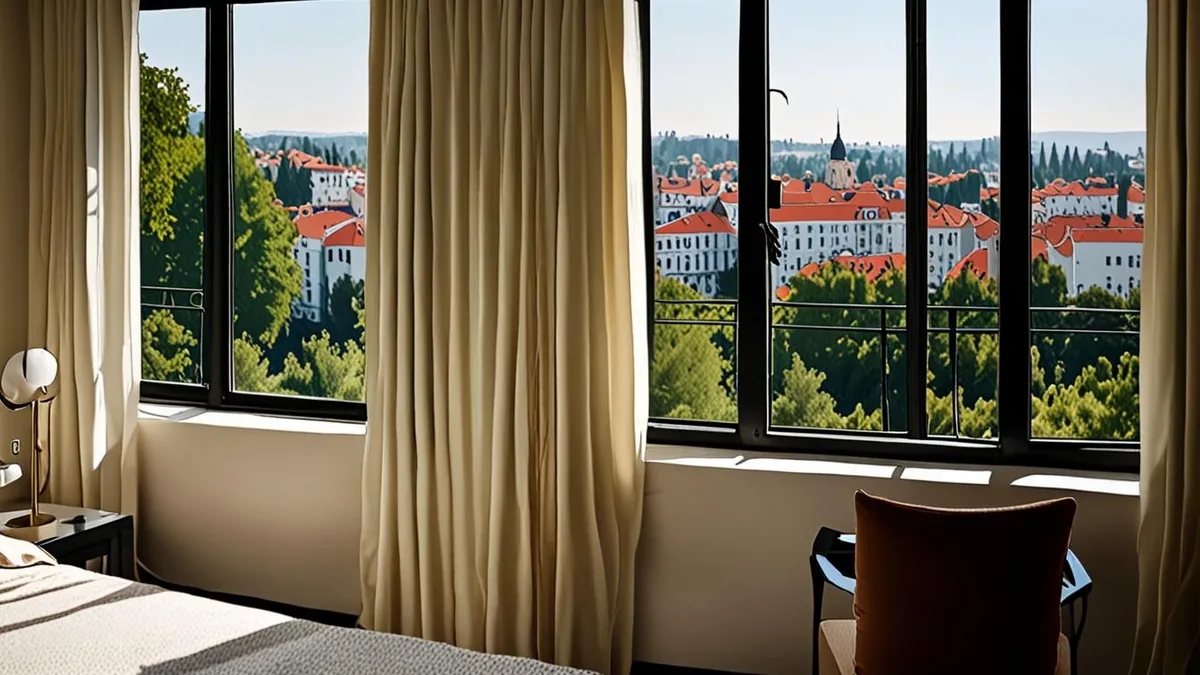
The Upper Town, known locally as Gornji Grad, is Zagreb’s atmospheric old quarter, with cobbled lanes, gas-style street lamps and lovely views over the rooftops. It’s about a 10-minute walk downhill to Ban Jelačić Square, which is pleasant on the way down—but remember you have to come back up. The climbs, stairs and cobbles are charming on foot and less charming with rolling luggage, so weigh that before booking here.
If you’re arriving by train or bus, the districts near the main stations deserve a look. They’re convenient for arrivals and departures, and both sit within a 15-minute walk of the lower town core, so you sacrifice very little in terms of location.
Quieter residential districts like Maksimir or Šalata offer better value and a local feel, which suits travelers with a car or anyone staying longer. The trade-off is simple: you’ll rely on trams to reach the center, so factor that into every outing.
Match Your Stay Type to Your Trip Style
The best hotel for Zagreb depends heavily on why you’re there. A room that delights a couple on a weekend break can frustrate a family with two kids and a rental car, so start by matching your stay type to your trip style rather than chasing the cheapest or trendiest option. Think about how you’ll spend your evenings, too: a lively street-corner hotel suits bar-hoppers, while light sleepers should lean toward quieter side streets a block or two back.
Business travelers generally do best in 4-star hotels near the lower town business strip, where reliable Wi-Fi and a proper desk come as standard and meetings are walkable. Couples tend to fall for the boutique properties in the Upper Town, many of which trade generic lobbies for rooftop terraces or quiet courtyards that feel romantic in a way chain hotels rarely manage. Just remember that the walk down to Ban Jelačić Square is easy, but the return trip is uphill.
- Families: Look near Maksimir Park or in the lower town, where rooms run larger and the tram network makes sightseeing with children far easier than long walks between sights.
- Budget travelers: Target 3-star hotels just outside the pedestrian core—typically a short tram ride from the action—where nightly rates often run 30-40% below comparable rooms in the center.
- Mixed groups: If your party spans couples and friends traveling together, apartment-style rooms in the lower town give everyone space while keeping the main square within walking reach.
Whichever category you fall into, be honest about how much walking and climbing you actually want on holiday. That single question eliminates half the map before you even open a booking site.
Time Your Visit Around Seasons and Prices
Zagreb rewards travelers who think about timing before they book. The same room can cost dramatically different amounts depending on the month, and the city’s calendar shapes both prices and atmosphere.
Peak season and the Advent exception
June to August is peak season. You get the warmest weather and the liveliest street scene, but you also pay the highest rates and share the main square with the thickest crowds of the year. If you want summer energy and don’t mind the premium, book early and book central.
December is the second busiest window of the year, and for good reason: the Advent festival turns the city into one of Europe’s most atmospheric winter destinations, with lights, stalls and mulled wine across the center. That magic comes at a price, so expect Advent rates to sit close to summer levels.
The value windows
April-May and September-October are the sweet spot. The weather stays mild enough for long walks and café terraces, prices drop noticeably below peak levels, and the crowds thin out. For most travelers, these shoulder months deliver the best balance of cost and experience.
Winter months outside Advent are the cheapest time to visit, so if budget is your priority, January or February stretches your money furthest. Just note that some terrace venues and day trips run reduced schedules in the colder months, so plan city-focused days rather than expecting everything to operate as it does in summer.
Set a Realistic Budget Before You Book
Zagreb is one of those European capitals where hotel prices stay reasonable compared to Vienna or Munich, but costs still swing widely depending on the season and the star rating. Before you fall in love with a particular property, decide what you are genuinely willing to spend per night, then work backwards from there. A clear ceiling keeps you from stretching your budget on a room you will barely see.
As a starting point, central 3-star rooms typically run €70-120 per night in high season, while 4-star city-center properties usually range €120-200 per night. Breakfast is frequently charged separately, often adding €10-15 per person per day, so check whether it is bundled into the rate before comparing prices.
Timing matters just as much as location. The same room that costs full price in July can be noticeably cheaper in the shoulder months, and small extras like parking quietly add up if you drive.
- Shoulder-season rates can drop 20-30% below high-season prices for identical rooms, so shifting your dates by a few weeks is often the single easiest way to save.
- If you arrive by car, factor in parking of roughly €15-25 per day in the center; some hotels offer deals with nearby garages, so ask before you book.
- Watch for the city tourist tax, which is added to your bill separately and varies by year — check the current rate before finalizing your budget.
Book at the Right Time and Read Reviews Wisely
Good rooms in central Zagreb sell out faster than most people expect, especially for the December Advent season, when the city draws visitors from across the region. For summer stays and Advent, aim to reserve 2-3 months ahead to lock in a central room at a sane price. Last-minute deals do exist, but relying on them in peak windows usually means settling for something smaller or farther out.
Read reviews like a local
Star ratings tell you less than recent guest comments. Zagreb’s lower town stays lively late — bars around the main square and Tkalciceva street keep going well past midnight — so filter reviews for mentions of noise before booking a “perfectly located” room. Words like “quiet room at the back” or “courtyard-facing” in guest feedback are worth more than a glossy photo.
Two more checks save headaches later. Older buildings in the Upper Town often lack a lift, so confirm one exists if stairs with luggage are a problem for you. And read the cancellation terms carefully: flexible rates typically cost 10-15% more than non-refundable ones, which is usually worthwhile if your plans might shift. The same habit of reading between the lines applies anywhere — when browsing Edinburgh hotels near historic old town districts, for example, noise and stairs come up just as often.
Check Practical Details That Affect Your Stay
A hotel can look perfect online and still annoy you daily over small practical details. Zagreb is compact, but a few quick checks before booking will spare you friction — especially in summer and if your days start early. Photos rarely show whether the room faces a lively street, whether the lift actually works in an older building, or how far the nearest tram stop really is. Ten minutes of research now can save you a week of small frustrations later.
Start with transport. If your hotel sits outside the walkable core, verify the tram connections: most lines converge on the center, which makes getting around simple once you know your nearest stop. Check the route from the station or airport too, so you know exactly how you will arrive with luggage. Then think about the season. July and August regularly push temperatures above 30°C, so air conditioning is not a luxury in high summer — it is a requirement for sleeping well. Confirm it is in the room itself, not just a shared corridor unit.
- Standard check-in times typically fall around 14:00-15:00; if you land on an early morning flight, ask in advance about luggage storage so you can explore unburdened rather than dragging suitcases to a café.
- If you plan day trips to Plitvice Lakes or the coast, confirm breakfast starting times — some hotel restaurants open too late for a dawn departure, though many will prepare a takeaway box if you request it the evening before.
- Ask whether reception is staffed around the clock; in smaller boutique properties, late arrivals sometimes need to arrange key collection ahead of time.
Your Zagreb Hotel Choice at a Glance
With hundreds of hotels spread across very different districts, choosing wrong can mean trams, hills or late-night noise added to your city break. The fix is simple: base yourself near the main square for walkability, head uphill for charm and views, or pick the station-side areas if you want easy arrivals within a 15-minute walk of the core.
Then match the stay to your style, from boutique Upper Town rooms for couples to family-friendly options near Maksimir, travel in the shoulder months for the best value, and book 2-3 months ahead for summer or December Advent. A nightly budget of €70-200 covers most central rooms.
Before you commit, double-check the small print: tram links if your hotel sits outside the walkable core, air conditioning for hot summer nights, and cancellation terms that give you room to change plans. If this helped you plan your Zagreb trip, leave a comment or share the article with a fellow traveler.