Dubrovnik is one of those cities where the postcard views come with a catch: steep prices and Old Town lanes that can feel like a human traffic jam by mid-morning. Where to stay in Dubrovnik matters more here than in most European cities, because the difference between the right neighborhood and the wrong one can mean the difference between a magical stay and an overpriced disappointment.
This guide compares the city’s main areas, from the atmospheric lanes inside the walls to the quieter hillside of Ploče and Pile, the beaches and value of Lapad and Babin Kuk, and the budget-friendly port district of Gruz. We’ll also cover when to book and how to get the best price for your dates. By the end, you should know exactly which base fits your trip, whether you’re here to sightsee, swim, or a bit of both.
Where to Stay in Dubrovnik: Quick Area Overview
Dubrovnik is compact, but its neighborhoods feel surprisingly different from one another. The city is essentially split between the walled Old Town, the residential hills and bays around it, and the port district across the bay. Picking the right one before you book will save you money and a lot of daily walking or bus rides.
As a rule of thumb: the Old Town wins on atmosphere, Ploče wins on views, Lapad wins on value and beach access, and Babin Kuk wins if you want a full resort experience. Gruz is the practical, no-frills option with the lowest prices in the city and ferry connections to the Elaphiti islands and beyond.
- Old Town — you step out of your guesthouse straight onto the polished limestone of the Stradun, with restaurants, cafés and the city walls all within a few minutes’ walk.
- Ploče — a quiet hillside east of the Old Town where many rooms and apartments come with terraces looking out over the Adriatic and the old town rooftops.
- Lapad — a leafy bay area with a car-free promenade lined with cafés, plus a swimmable pebble beach and noticeably lower room rates than the center.
- Babin Kuk — the resort corner of the peninsula, with larger hotel complexes, grassy pine-shaded grounds and several beaches close together.
- Gruz — the working port district, handy if you’re arriving by ferry or bus and want the city’s cheapest beds and apartments.
Match the area to your trip style. If your days will be packed with sightseeing, stay close to the walls. If beach time is the priority, look at Lapad or Babin Kuk. For a mix of both, the areas near the gates or along the bus routes give you a bit of everything.
Old Town: Atmosphere Inside the Walls
Nothing beats stepping out of your door at dawn, before the day-trippers arrive, and having the Stradun almost to yourself. Staying inside Dubrovnik’s walls means you’re living in the postcard: stone houses converted into guesthouses and small hotels, most of them just steps from the main street and the entrance to the city walls. You can walk the walls early, duck back for a nap in the afternoon heat, and be out for dinner without ever calling a bus or taxi.
What it costs and what to expect
The convenience comes at a price. In high season, expect €150-300+ per night for a double room, and small rooms at that — many properties occupy former family homes, so space is tight. Also note that the Old Town is a staircase city: many guesthouses sit up steep flights of steps, so packing light or traveling with a backpack makes arrival far less painful.
Because of the price and the crowds that pour in during the day, the Old Town works best for first visits and short stays of 2-3 nights focused on sightseeing. If you’re spending a week or more, or want beach afternoons, a base outside the walls will feel less cramped and cost noticeably less.
Ploče and Pile: Views and Quiet Near the Gates
If you want the Old Town on your doorstep but would rather not sleep in its busiest lanes, look east and west of the walls. Both Ploče and Pile put you within easy walking distance of the gates while giving you quieter, more residential streets to come home to.
Ploče: the hillside with the views
Ploče sits on a hillside east of the Old Town, about 10-15 minutes on foot from the walls. The climb is real, but the reward is the best-value views in the city: many guesthouses and small hotels have sea-view terraces looking across the rooftops to the Adriatic and Lokrum island. It’s also the closest neighborhood to the cable car up Mount Srđ, about 10 minutes’ walk from the Old Town’s eastern edge, so sunset trips up the mountain are easy.
Pile: quiet, close and slightly cheaper
Pile, just outside the western gate, balances easy Old Town access with slightly lower rates than inside the walls. You’re a few minutes’ walk from the gate, close to bus stops serving Lapad and Gruz, and near the small beaches below the walls toward Bokar. It’s a good pick if you want to be out the door and through the gate in five minutes without paying Old Town premiums.
Both areas suit couples wanting romance without the noise and foot traffic of the busiest lanes. You get morning coffee on a quiet terrace, then the walls, restaurants and bars are all a short stroll away.
Lapad and Babin Kuk: Beaches and Better Value
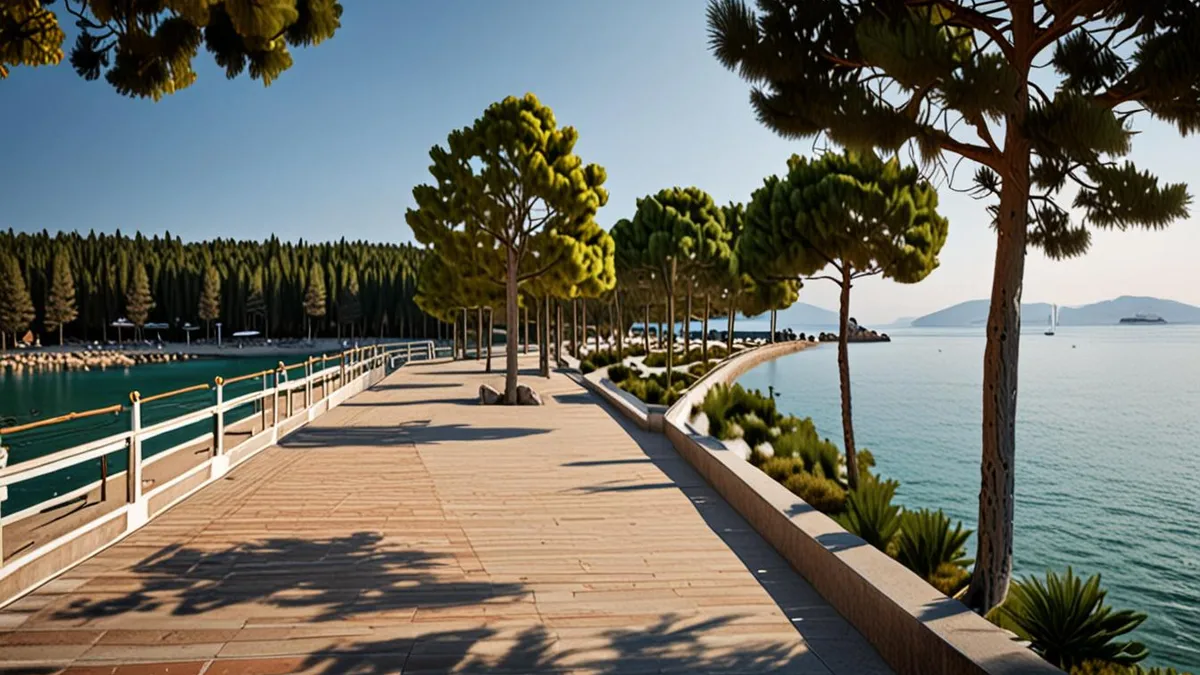
If you’d rather hear waves than tour groups, Lapad and Babin Kuk are the neighborhoods for you. Both sit on the peninsula west of the city center, where Dubrovnik’s best swimming beaches and seaside hotels are concentrated. Rooms here typically run €80-180 per night, which works out to roughly 30-50% less than what you’d pay for a comparable double inside the Old Town.
The trade-off is distance. Lapad and Babin Kuk are about 4-6 km from the Old Town, which means 15-20 minutes by local bus. The good news is that buses run frequently throughout the day, so you can sightsee in the morning and be back on the beach by late afternoon without much planning.
- Lapad’s promenade is a car-free waterfront strip lined with cafes and restaurants, ideal for an evening stroll and dinner without heading back into town.
- Babin Kuk is where the larger resort-style hotels cluster, often with pools, sports facilities and private beach access, so you can easily spend whole days on the property.
- Swimming spots here include pebble and rocky coves with clear water, and most hotels provide sun loungers for guests in summer.
- Value for families tends to be strong in this area, since rooms are cheaper and you’re not carrying luggage up Old Town staircases.
Choose Lapad if you want walkable restaurants and a lively promenade, and Babin Kuk if a resort with a pool and its own beach sounds more like your kind of trip. Either way, you’ll stretch your budget considerably further than you would inside the walls.
Gruz and the Suburbs: Budget-Friendly Bases
Gruz is Dubrovnik’s working port district, and it plays a practical role in most trips whether you stay here or not. This is where ferries to the Elaphiti Islands and other routes depart, so if you’re island-hopping, an early morning connection is far easier when you’re sleeping ten minutes from the dock. It’s also where you’ll find the city’s lowest room rates, with simple guesthouses and private rooms costing noticeably less than anywhere closer to the walls.
Accommodation here is mostly small guesthouses, private rooms and straightforward apartments rather than boutique hotels. Don’t expect postcard views from your window, but do expect functional, clean places run by locals who often give excellent practical advice about buses and ferries.
Apartments in the residential areas
Beyond Gruz itself, the residential neighborhoods spreading along the coast and up the hillsides offer self-catering apartments that suit longer stays. If you’re in Dubrovnik for a week or more, having a kitchen and a washing machine can save real money, especially since eating out three times a day adds up fast in a tourist town. Supermarkets and bakeries in these areas charge local prices, not Old Town prices.
The commute trade-off
The honest downside is transport time. Budget an extra 20-30 minutes of daily bus time to reach the Old Town from Gruz and the suburbs, each way. That’s manageable if you plan one main sightseeing outing per day, but it can feel tedious if you want to pop back and forth. If your trip is short and sightseeing-heavy, the Old Town or Ploče will serve you better; if it’s long and budget-driven, Gruz makes solid sense.
When to Book and How to Get the Best Price
Dubrovnik’s pricing swings more than most European city breaks, so timing your booking matters almost as much as choosing your neighborhood. High season runs from June to August, when rates peak and cruise-ship crowds fill the streets. The shoulder months of May, September and October bring milder weather and noticeably lower prices, and the very same room can cost dramatically less depending on when you commit. Here’s how to approach it:
- Decide on your season first. If you can travel in May, September or October, you’ll get comfortable temperatures and thinner crowds alongside lower rates, which makes almost every neighborhood more affordable. A sea-view room in Ploče or a guesthouse inside the walls that’s out of reach in August may suddenly fit your budget.
- Book 3-6 months ahead for summer. This matters most for Old Town properties, which are small and fill up quickly. By late spring, the remaining rooms tend to be the priciest ones, so early planning gives you real choice rather than leftovers.
- Compare the same room across dates. Shoulder-season bookings can cut rates by 30-40% versus August for the identical room, so check a few date combinations before committing. Shifting your stay by a week or two often saves more than switching neighborhoods.
- Watch the cruise calendar loosely. Crowds in the Old Town surge on days when multiple ships dock, so if you’re staying inside the walls in high season, expect busy mornings regardless. A quick look at the port’s published schedule helps you plan wall walks early.
- Check cancellation terms. Booking early usually secures the best rate, but flexible cancellation protects you if plans change. Many properties offer both options, so read the small print before paying.
One last practical note: prices in Dubrovnik move with demand, so the figures you see months out are often better than what remains at the last minute. Lock in your neighborhood and dates early, then spend the savings on a good dinner along the Stradun.
Wrapping Up Your Dubrovnik Base
So where should you actually stay? If atmosphere is what you’re after and you’re only in town for a couple of nights, the Old Town delivers it best. Ploče suits couples who want views and a little quiet, while Lapad and Babin Kuk trade proximity for beaches and noticeably lower rates. On a tight budget, Gruz keeps costs down at the cost of a longer daily bus ride.
Two decisions will shape the rest: when you go and how you split your time. Shoulder-season dates in May, September or October bring milder weather and lower prices, and booking 3-6 months ahead makes a real difference for summer stays. Just as important, match the neighborhood to your trip style — more sightseeing days points you toward the walls, more relaxing days points you toward the coast. If this helped you plan, leave a comment or share the article with a fellow traveler.