With over a thousand islands and dozens of coastal towns, choosing where to stay on the Croatian coast for a beach holiday quickly becomes overwhelming. Every region promises clear water and sunshine, but the experience of a family resort in Istria is very different from a beach-and-city break near Dubrovnik. Picking the wrong base can mean long transfers, crowded strips or a beach that doesn’t suit your travel style.
This guide to Croatia coast resorts breaks the decision down into manageable parts. We’ll look at why the Adriatic works so well for beach holidays, compare the main coastal regions, and cover the best months to travel and when to book. You’ll also find advice on matching resort types to families, couples or spa seekers, weighing islands against mainland bases, and spotting genuine value before you pay. By the end, you should be able to shortlist a resort area with confidence.
Why the Croatia Coast Works for Beach Holidays
The Adriatic along the Croatian coast is famous for its clarity, and it’s not marketing hype. On calm days you can often see your feet and the fish around them at chest depth, which makes swimming and snorkeling rewarding even close to shore. Add thousands of kilometers of coastline and hundreds of islands, and you have an enormous amount of shore to explore from a single resort base.
What sets Croatia apart from many Mediterranean destinations is the variety packed into one country. You can swim in a quiet pebble bay in the morning, wander a walled Roman-era town at lunch, and end the evening on a lively resort strip with beach bars and music. Historic towns like Split, Zadar and Dubrovnik sit right on the water, so sightseeing and beach time mix easily without long drives.
Know what the beaches are like
One thing to prepare for: most Croatian beaches are pebble or rock rather than sand. That’s actually a big part of why the water stays so clear, since fine sediment doesn’t get stirred up. Pack water shoes for comfortable entry, and bring a snorkel mask, because the visibility and rocky outcrops make snorkeling a daily pleasure rather than an occasional treat. Sunbeds and managed beach areas are common at resorts, but quieter coves may mean bringing your own towel and umbrella.
Best Coastal Areas for a Resort Stay
Croatia’s coast divides naturally into three main resort regions, each with a distinct character. The right choice depends on who you’re traveling with and how much you want to move around. If you’re weighing island destinations more broadly, it can help to compare notes with other Mediterranean options, such as these beach resorts for island travel, before settling on a region.
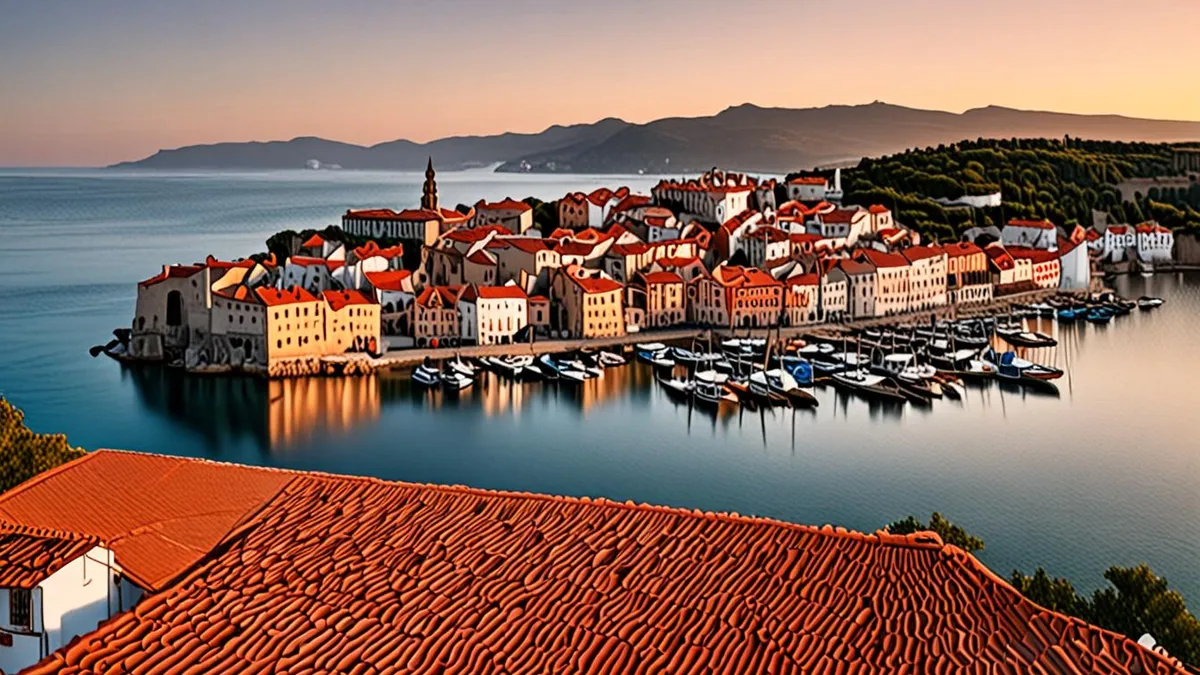
Istria, the peninsula in the north, is the classic family choice. Resorts near Poreč and Rovinj sit close to shallow, gently shelving pebble beaches, and the peninsula’s milder climate brings a shorter, calmer season than the south. The Dalmatian coast around Split and Zadar offers long pebble beaches and easy ferry access to islands like Brač and Hvar, making it a strong base if you want variety. The Dubrovnik area delivers the most dramatic scenery and the highest prices, and it suits travelers who want city sightseeing and beach time in one trip.
- Istria’s position in the north means shorter driving distances from Central Europe, which is why many families arrive by car and stay a week or more.
- Rovinj’s old town sits on its own headland, so many resorts there combine beach mornings with evening strolls through a photogenic fishing-town center.
- From Split, ferries to Brač take you to famous pebble stretches such as Zlatni Rat, a day trip that’s hard to replicate elsewhere on the coast.
- Around Dubrovnik, hillside villages like Cavtat offer a quieter, somewhat cheaper alternative to staying right by the old town.
When to Book and When to Go
Timing shapes both your budget and your experience on the Croatian coast. July and August are the busiest and warmest months, with daytime heat regularly pushing past 30°C and resort prices at their peak. Beaches, ferry ports and old towns all feel the squeeze, so book early if these months are non-negotiable for you.
Why shoulder season wins
May, early June and September offer a very different pace. Sea temperatures sit around 20-24°C, warm enough for proper swimming, while crowds thin out noticeably. It’s the sweet spot for travelers who want beach time without the high-season intensity.
The price gap between seasons is significant. High-season resort rooms commonly range from €120-300 per night, while shoulder-month rates typically drop to €70-150 for comparable places. That difference can fund an extra few nights or a couple of island day trips.
For July and August stays, reserve 3-6 months ahead. The best-located beachfront rooms, especially family suites and sea-view options, tend to go first, and late bookers usually face the leftover stock at the top of the price range. If your dates are flexible, shifting your trip into June or September is often the single easiest way to get more resort for your money.
Choosing the Right Resort Type
Croatian resorts come in distinct flavors, and picking the wrong type can shape your whole holiday. Family resorts are the strongest match for Istria and the Zadar area, where shallow, gently sloping pebble beaches make paddling with small children easy and safe. These resorts typically pair that beach access with large pools, kids’ clubs and playgrounds, so there is always an alternative on days when the sea feels rough or the pebbles feel sharp under little feet.
If you are traveling as a couple or want a quieter pace, adults-oriented and spa resorts cluster around Opatija on the Kvarner Riviera and in the Dubrovnik area. Opatija has an old-fashioned wellness tradition, so spa-focused stays there feel calmer than the big family complexes further north. If you like the idea of a pampering, adults-first beach break, the same logic applies to relaxed luxury resorts in Spain, where wellness-led properties follow a similar pattern.
Location within the resort matters too. Beachfront properties cost more, while hillside ones are cheaper but add a 10-20 minute walk down to the shore, which feels longer in the midday heat or on the walk back up.
- Check the pool setup: family resorts in Istria often run both a kids’ pool and a larger main pool, which spreads swimmers out on busy afternoons.
- Ask about kids’ club hours: some operate only in the morning or in peak season, which matters if you travel in June or September.
- Look at shuttle options: some hillside resorts run a shuttle to the beach at set times, which can save the uphill walk in the heat.
- Confirm the spa access rules: at adults-oriented resorts, some facilities are age-restricted, so check whether children are allowed in pools or spa zones at all.
Islands vs. Mainland Resorts
One of the big decisions for a Croatian beach holiday is whether to base yourself on an island or the mainland. Islands like Krk, Brač and Hvar offer calmer, more scenic beaches and a slower rhythm, but they come with a catch: you need a ferry or catamaran transfer to reach them, and that means planning your arrival around the timetable rather than the other way round.
Mainland bases in Split or Zadar work differently. They put you within easy reach of pebble beaches, restaurants and shops, and they make day trips and island hopping far simpler. From Split, you can hop to Brač or Hvar for the day and be back for dinner; from Zadar, the northern islands sit close by. If you love the idea of island-hopping but want a flexible base, the same trade-off appears when planning island resort escapes in the Stockholm archipelago.
How the ferries actually work
Car ferries run year-round to the larger islands, so a mainland car can travel with you and give you freedom to explore. Catamarans are a different story: they are seasonal, mostly summer, passenger-only and faster, but they fill up in peak weeks. If you are bringing a car, book the vehicle ferry in advance for summer crossings; if you are foot passengers on a catamaran, check luggage limits and arrive early in July and August.
How to Spot the Best Value Resorts
Resort prices on the Croatian coast can look remarkably similar on booking sites while hiding very different value underneath. The three things that swing the real cost most are beachfront access, breakfast and parking. Parking in particular can add €10-20 per day if it is charged separately, which over a week rivals the cost of a night’s stay. Breakfast inclusion varies widely too, and in resort areas where restaurants cluster near the shore, eating out every morning adds up quickly. Ask the hotel directly about both before you commit, as small print on booking platforms often buries these charges.
The beach itself is the other hidden variable. Because sand is rare along the Adriatic, many resort stretches are pebble or rocky platforms, and some are managed beach clubs with sunbed and umbrella rental. None of these setups is better or worse, but they suit different travelers, and knowing which one you are booking changes what you pack and what you spend once you arrive. A resort that looks cheap online can turn out to be the pricier choice once daily extras are added in.
- Check if sunbeds are free or rented: at managed beach clubs, two loungers and an umbrella for a day can cost a noticeable amount, while public stretches next door cost nothing.
- Look for a shaded area: natural shade is scarce on pebble beaches, so resorts with pine groves or generous parasols make long beach days more comfortable.
- Confirm air conditioning in recent reviews: coastal summers are hot and humid, and older resort buildings sometimes have weak or dated units, which recent guest reviews will flag quickly.
- Note the beach entry: rock and pebble entries can be slippery, so resorts that provide water shoes or have stepped entries into the water earn consistently better family reviews.
Planning Your Croatia Coast Beach Trip
Deciding where to stay along Croatia’s coastline can feel like a puzzle, with so many islands and resort towns competing for attention. The easiest way through it is to work in three steps: choose a region first, whether that is family-friendly Istria, the Dalmatian coast around Split and Zadar, or the Dubrovnik area, then decide between a mainland base and an island stay, and finally match the resort type to how you actually travel.
Timing does the rest. Booking 3-6 months ahead for July and August, or traveling in the shoulder season instead, secures the best value on resort rooms. Get the region, the season and the resort style right, and the Adriatic looks after itself. If this helped you plan your trip, leave a comment or share the article with a fellow traveler.