You’ve booked a hotel, and the meal plan options read like alphabet soup: half-board, full-board, B&B, all-inclusive. You want to know what you’re actually paying for before you commit, but the labels don’t explain themselves. If you’ve ever wondered what half-board at a hotel really means, you’re not alone. In short, it typically includes breakfast plus one main meal, usually dinner, but the details matter more than the name.
This guide walks you through everything you need to know. We’ll break down exactly what’s included, compare half-board with full board, all-inclusive and B&B, and look at when the extra cost makes sense. You’ll also learn where half-board is most common, which practical rules to check before booking, and how to decide between meal plans for your specific trip. By the end, you’ll be able to pick the right option with confidence instead of guesswork.
What Half-Board Actually Includes at a Hotel
Half-board is a meal plan that covers two meals a day: breakfast plus one main meal, which is almost always dinner. You check in, enjoy breakfast in the morning, and then return in the evening for a meal served in the hotel restaurant. Lunch is left to you, so you are free to explore, snack, or eat wherever the day takes you.
The biggest surprise for many travelers is drinks. At dinner, beverages are normally billed separately unless the hotel clearly states they are included. Water, wine, soft drinks, and coffee with your evening meal usually show up as extra charges on your final bill, so it pays to read the rate description carefully before you book.
Set menu or buffet?
Most half-board dinners are served either as a set menu with a limited choice of courses or as a buffet where you help yourself. True à la carte dining is rare on this plan, though some larger resort hotels let you choose between themed buffet stations. Breakfast, meanwhile, is nearly always a buffet with the usual mix of breads, eggs, fruit, and cold cuts.
One more thing to know: some hotels will happily swap dinner for lunch if you ask in advance, which can suit travelers who plan big evenings out. This varies by property, so it is worth confirming directly with the hotel before you arrive rather than assuming it is possible.
Half-Board vs Full Board vs All-Inclusive vs B&B
Meal plans sit on a simple ladder: the more meals and extras a rate includes, the higher the price. Bed and breakfast is the entry level, covering just your morning meal. Half-board adds dinner, full board adds lunch, and all-inclusive wraps drinks and snacks around the whole day.
For most travelers, the choice comes down to how much time you plan to spend at the hotel. A city break with busy sightseeing days rarely needs more than breakfast, while a week at a remote resort can make fuller plans pay off. The price gaps between plans are usually moderate rather than dramatic, so it pays to compare the actual supplements before deciding.
Here is how the four main plans compare:
- Bed and breakfast (B&B): Breakfast only, making it the cheapest and most flexible option; you are free to eat every other meal wherever you like.
- Half-board: Breakfast plus one main meal, usually dinner; daytime food and drinks remain your own responsibility, which suits travelers who spend middays out exploring.
- Full board: Adds lunch to the half-board formula, typically costing around 20-40% more; useful when you will be at the hotel at midday, such as on beach or pool days.
- All-inclusive: Bundles drinks and snacks on top of all three meals, usually running 30-50% above half-board rates; best when you want no surprises on the final bill.
When Half-Board Is Worth the Extra Cost
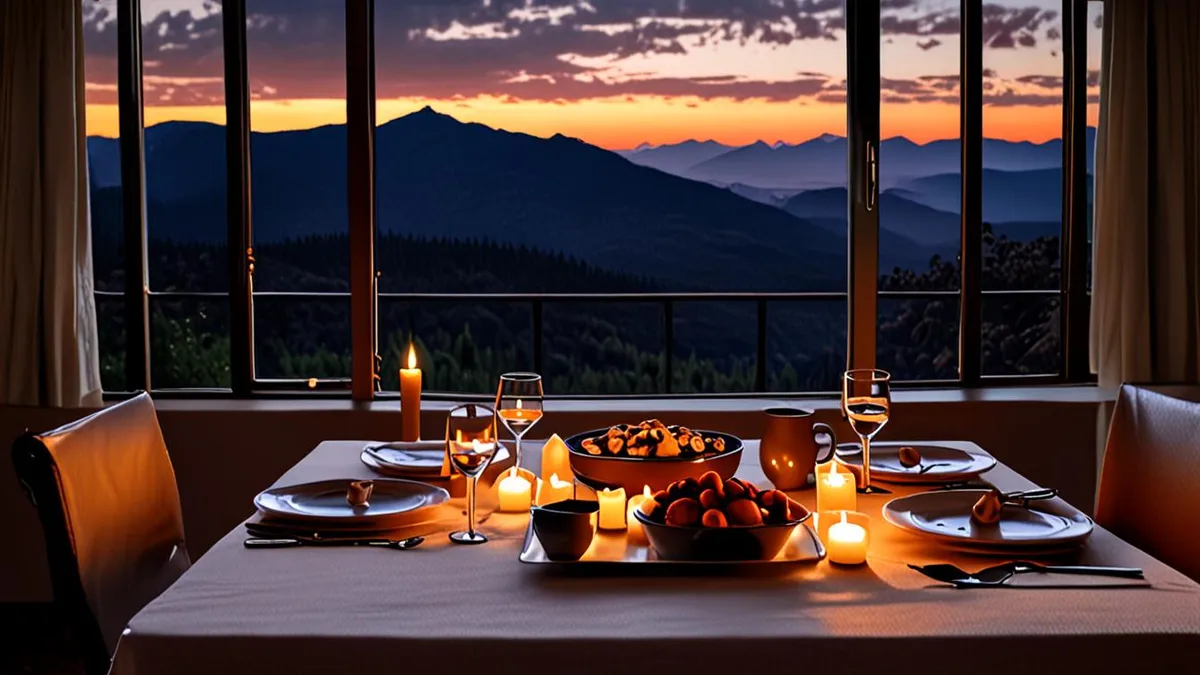
Half-board pays for itself most often when the hotel sits far from any real choice of restaurants. At ski hotels in the Alps or Pyrenees, lakeside resorts, and coastal properties a taxi ride from the nearest town, the alternative to the hotel dining room is often a single overpriced restaurant or an expensive drive. In those settings, the dinner included in your rate typically works out cheaper than eating out, with savings of around 15-30 euros per person per day once you add up a main course, dessert and a drink or two.
Winter sports guests get extra value from the routine itself. There is real comfort in skiing until the lifts close, dropping your boots at the door and walking straight into a hot dinner, no driving, no searching for a table with tired legs. If you are weighing up destinations, our guide to ski hotels in Andorra for winter sports trips shows how this setup works in practice on the slopes.
Short stays and couples
Couples on a three- or four-night break often prefer half-board for a simpler reason: convenience. A fixed dinner time removes the nightly debate about where to eat, and the whole evening feels more relaxed when you know the table is booked. For a short trip, that predictability can be worth the supplement on its own.
City-center hotels are the exception. When affordable restaurants, cafés and bars sit steps from the lobby, a set dinner at the hotel rarely makes sense, and you will usually enjoy the local food scene more by booking a simple B&B rate and eating out.
Where Half-Board Is Most Common
Meal plans follow geography. In mountain regions, half-board is not an upgrade but the standard way rooms are sold, while in cities it is rare enough that you may struggle to find it at all.
Ski hotels in the Alps and the Pyrenees almost always price their rooms as half-board by default. The reason is simple: most of them sit in villages or high-altitude stations where the nearest alternative restaurant may be a taxi ride or a long walk in ski boots. Guests expect dinner at the hotel, so the rates are built around it.
Lake and coastal resort hotels follow a similar pattern. Properties around Lake Bled, for example, frequently offer half-board packages alongside bed-and-breakfast rates, because many guests spend the whole day on the water or on walking trails and return hungry in the evening. If you are still choosing where to stay, our guide to which area near Lake Bled suits you best can help you match the location to your plans.
City hotels work the other way around. In places like Zagreb or Stockholm, most properties sell B&B rates, since affordable restaurants and cafés are usually steps from the lobby.
- Same hotel, several plans: Larger resort properties often list room-only, B&B, half-board and all-inclusive rates for identical rooms, so the meal plan is a pricing choice rather than a feature of the hotel itself.
- Seasonal switching: Some lake and beach hotels sell half-board mainly in peak season and switch to breakfast-only rates in quieter months, when local restaurants are open and competition for diners is higher.
- Package deals: Tour operators and booking platforms sometimes bundle half-board into package prices, so read the fine print to see whether meals are genuinely included or listed as an optional extra.
Practical Rules to Check Before Booking Half-Board
Half-board can be excellent value, but the details vary from hotel to hotel, and a few minutes of checking before you book can save you an awkward conversation at checkout. The supplement is often a meaningful part of the room rate, especially at ski, lake and resort properties, so it makes sense to know exactly what you are paying for before you commit. Here are the practical points to confirm with the hotel, ideally in writing before you pay the deposit.
- Check the dinner hours. Most hotels require dinner service between roughly 18:00 and 21:00. If your flight lands late or you plan long day trips, you may arrive back after the kitchen has closed and lose the meal you paid for. Ask the hotel what happens in that case, and whether they can hold a plate or arrange a late option for arrival days.
- Ask what dinner actually is. Some properties serve a fixed set menu with no choice, while others offer a selection of starters, mains and desserts, or even a themed buffet. A week of set menus you dislike is a poor deal, so request a sample menu if the hotel’s description is vague. Families should also ask whether children’s portions or alternatives are available.
- Confirm the drinks policy. This is the most common surprise on the final bill. Unless the rate description clearly states that drinks are included, assume water, wine and coffee at dinner will be charged separately at hotel prices, which can add up noticeably over a week.
- Ask about skipped meals. A few hotels credit the value of an unused dinner toward lunch or the à la carte restaurant, but many do not offer anything at all. If your itinerary includes several evenings out, this matters more than you might think.
Getting written answers to these four questions, either in the booking confirmation or by email, gives you something to point to if a charge or a misunderstanding appears later. It takes little effort and removes most of the risk of booking a meal plan blind. If the hotel is unwilling to answer basic questions before you book, treat that as a useful signal about how it handles guest requests once you have arrived and paid.
How to Decide Between Meal Plans for Your Trip
The right meal plan depends less on the hotel and more on your itinerary. Before paying a half-board supplement, work out how the numbers actually fall for your specific trip.
Count your dinners honestly
Start by counting how many dinners you will realistically eat at the hotel. If you are booking four nights but planning two evenings in a nearby town, you are only using half the dinners you would be paying for. Look at your day trips, any restaurants you already want to try, and your arrival and departure times, then base the calculation on that realistic number rather than the full length of your stay.
Run the comparison
Next, compare the half-board supplement against what you would spend eating out for two meals a day. Check a few local restaurant menus online to get a feel for typical prices at your destination, then add the cost of breakfast if it is not already in the base rate. In resort areas, half-board can save 15-30 euros per person per day versus eating out, which adds up quickly for a family. In a city with cheap cafés on every corner, the same supplement can easily cost more than eating independently.
For longer stays, consider mixing things up rather than choosing one plan for the whole trip. Booking half-board nights for the evenings you expect to be tired or far from restaurants, and leaving other nights free, keeps both costs and variety in balance. A week where every dinner is the same buffet gets old fast, even a good one.
The final rule is simple: book the half-board rate only when the supplement is clearly lower than what you would spend eating out. If the gap is small or the dinner hours do not fit your plans, the flexibility of a breakfast-only rate is usually the better buy.
Wrapping Up: Half-Board in a Nutshell
So, what does half-board mean at a hotel? Simply put: your rate covers breakfast plus dinner, while drinks at dinner are usually billed separately. It sits between a basic B&B rate, which covers breakfast only, and full board or all-inclusive, which cost more but add lunch or drinks and snacks.
Half-board makes the most sense at ski, lake and resort hotels, where restaurants can be scarce and the saving of 15-30 euros per person per day quickly adds up. City travelers are usually better off with a simple B&B rate, since affordable restaurants are rarely far away. If this guide cleared things up, leave a comment or share it with a fellow traveler.