Choosing between a villa vs chalet in the Alps is harder than it looks. Online, both appear as large, attractive homes with photos of snowy peaks and roaring fires, yet they deliver very different weeks on the ground. A chalet puts you steps from the lifts with dinner cooked for you; a villa gives you space, light and a sauna, but often a drive to the slopes. Pick wrong and your group spends the week shuttling by car or cooking for twelve after a long ski day.
This guide breaks the decision down clearly. We cover what actually differs between the two stay types, where each wins on ski access and location, what a winter week really costs, and which weeks to target when booking. We also look at who each option suits, how to vet a rental before you pay, and the bottom line on matching your stay to your group and budget.
Villa vs Chalet in the Alps: What Actually Differs
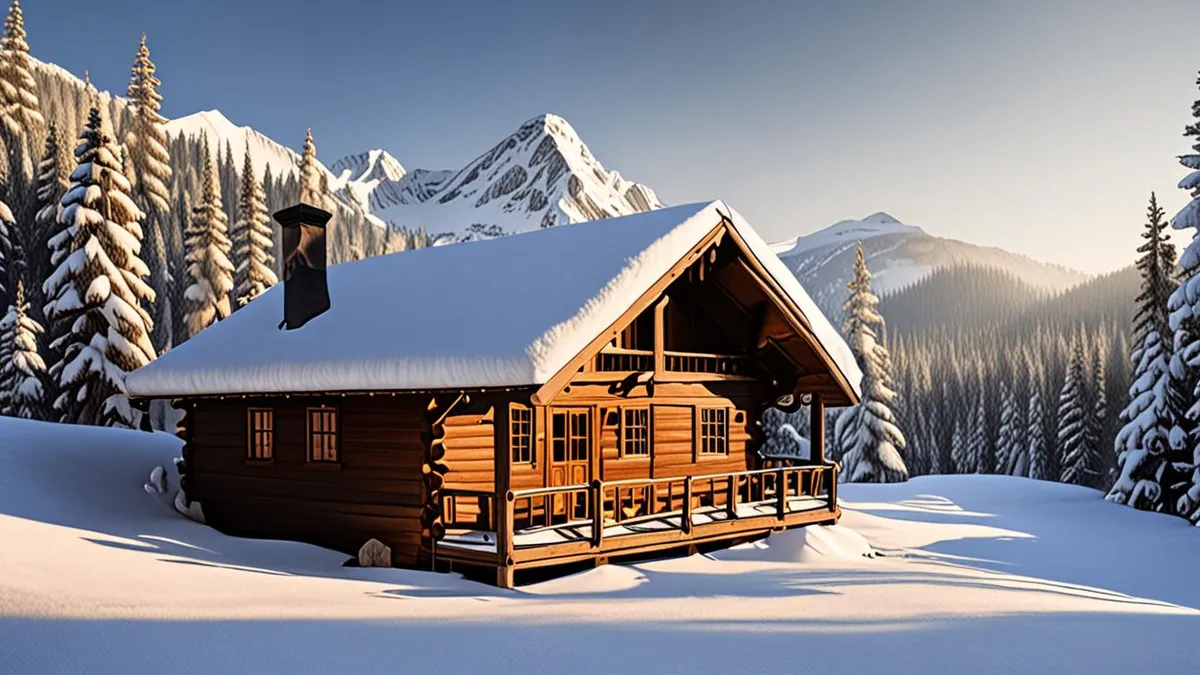
A chalet is what most people picture when they imagine the Alps: a timber building with a steeply pitched roof, wide balconies and a sloping interior of exposed wood. These structures were designed for snow, with angled roofs that shed it and thick walls that hold warmth. They usually sit in or beside a resort, close to the lifts, and they lean into winter-sport tradition. Expect a log fire in the living room, a boot room by the door, and a warm, cabin-like feel after a day on the mountain.
A villa, by contrast, is a detached modern home. In the Alps you will find them more often in valleys or near lakes than up at resort level, which shapes everything from the view out your window to how you reach the slopes. Villas prioritize space, natural light and amenities: think floor-to-ceiling windows, a private sauna, sometimes a heated indoor pool, and a layout built for lingering rather than drying gloves.
The biggest difference is how your week runs
Chalets often come catered or hosted, meaning breakfast, afternoon cake and even dinner are handled for you, and your days take on a relaxed, hotel-like rhythm. Villas usually suit self-catered groups who want to run their own schedule, shop and cook as they please, and treat the house as a private base. Neither is better; they simply suit different styles of winter trip.
Ski Access and Location: Where Each Stay Type Wins
Location is where the two stay types diverge most sharply. Chalets typically sit between 1,200 and 2,000 meters up, inside or right beside a ski resort. Many offer ski-in/ski-out access or a short walk to the lifts, so you can click into your boots at the door and be on the mountain within minutes. For a trip centered on skiing, this convenience is hard to beat, especially with children and all their gear.
Villas sit lower, in valleys or by lakes, trading slope-side access for space and flexibility. From a villa, expect a drive of roughly 20 to 60 minutes to reach the main ski areas. In return, you get easy access to towns, shops and restaurants, and a far better base for non-ski days: ice skating, spa visits, Christmas markets or simply a lie-in with a lake view.
Airport transfers apply to both types. Most Alps resorts sit one to three hours by car from Geneva, Innsbruck, Munich or Zurich, so check the route before booking either option.
- Winter road access: Mountain roads climbing to high chalets typically require winter tires or chains, and rental cars should be booked with this in mind.
- Parking and snow: At altitude, outdoor parking spots can be buried after heavy snowfall, so ask whether the property has a garage or covered space.
- Driving fatigue: A valley villa may mean a daily commute to the lifts, so factor that drive into how many ski days you realistically plan.
If you like the idea of a villa base but want to compare how other regions handle it, this guide to the best areas to rent a villa in Portugal shows how location shapes a villa stay in a very different setting.
Costs: What a Week Really Costs in Winter
For most Alps winter rentals, expect to pay somewhere between €1,500 and €8,000 per week. That range covers everything from a modest chalet in a smaller resort to a spacious villa or a well-located chalet in a mid-size ski area. Luxury chalets in the biggest-name resorts routinely exceed €10,000 per week, especially when they come with staff, a pool and true ski-in/ski-out access.
What a catered chalet really costs
Catered chalets add roughly €200 to €400 per person per week on top of the base rate for food and hosting. That sounds significant, but it usually covers breakfast, afternoon tea and several dinners, plus a host who manages the house. It also cuts your cooking and shopping costs to nearly zero, which matters for groups who would otherwise buy a week of groceries for ten people and eat out on the other nights.
Timing is the biggest price lever
The single biggest factor in what you pay is the week you choose. January and March weeks typically run 30 to 50% cheaper than February half-term, when family demand pushes prices to their peak. The same chalet can cost dramatically more over half-term than in mid-January, often with no difference in the property itself. If your dates are flexible, shifting your trip by a few weeks is usually more effective than negotiating on the rental price. Check current rates with operators, as they change by season and property.
When to Book and Which Weeks to Target
Timing your booking matters almost as much as picking the right property. Alpine rentals are seasonal businesses with a short selling window, and the price gap between the best week and the worst-timed booking can be enormous. The same chalet can behave like two completely different products depending on when you ask for it: in high demand it disappears quickly and holds its rate; in quieter weeks owners would rather fill it at a discount than heat an empty building. Here is how to work the calendar to your advantage.
- Reserve peak weeks 4-6 months ahead. Christmas, New Year and February half-term are the weeks every family and group wants, and the calendar is unforgiving. Book 4-6 months out and you get real choice over layout, views and rates; leave it later and you are choosing from what other people did not want, often at a premium. If you are traveling with a larger group, start even earlier, because properties with enough bedrooms and a big communal table are the first to go.
- Target shoulder weeks for discounts. Early December, January and late March rentals can often be booked just 1-2 months ahead, and owners discount rather than leave a chalet empty. If your dates are flexible, this is where the savings live. Shoulder weeks also come with practical perks: easier parking, quieter restaurants in resort and less competition for ski school places.
- Combine price and conditions in mid-January and March. These weeks typically cost 30-50% less than February half-term, the slopes are noticeably quieter, and the days are already longer, giving you more time on and off the mountain. Snow cover is usually still reliable, though it is worth asking the owner about the resort’s snowmaking before committing to very early or very late dates.
One practical habit: once you have a shortlist, ask owners or agencies directly about availability for your preferred weeks before comparing rates. Popular mid-sized chalets can be held for repeat guests, and a quick message saves you weeks of searching for a property that was never actually free. If an agency offers a waiting list or cancellation alerts for a peak week, sign up, because last-minute dropouts do happen and can land you a prime week at a softer rate.
Who Each Option Suits: Groups, Families and Couples
The right answer to the villa-versus-chalet question depends heavily on who is traveling. A property that feels perfect for a group of friends can be awkward for a family with toddlers, and vice versa. Before you commit, sit down as a group and talk through how you actually spend your evenings, mornings and rest days. Do you want someone else cooking dinner, or do you enjoy preparing meals together? Will you ski every day, or mix in shopping, spa time and scenic drives? Honest answers here will point you toward the right stay type far more reliably than any photo gallery.
Large groups of eight or more often get the best value from a villa. Multiple bedrooms, a big shared kitchen and generous living space mean the per-person cost drops, and nobody feels cramped after a day on the mountain. Villas also make it easier to split bills fairly and self-cater on your own schedule, which suits groups with different budgets, dietary needs or early risers versus night owls. Just assign bedrooms and shared costs in advance to avoid awkward conversations midweek.
Couples face a genuine trade-off. If you want privacy, spa-style amenities and a quiet base for non-ski days, a villa usually wins. If you want atmosphere, wood-smoke evenings and to be first in the lift queue, a chalet is the better match. Some couples also enjoy the sociable dinner-table vibe of a hosted chalet, where you meet other guests over a home-cooked meal.
- Families with young children: chalet childcare and catered meals mean parents eat at a set time while someone else handles the cooking, and slope-side locations remove the morning schlep of gear and kids to the lifts.
- Groups of mixed skiers and non-skiers: a valley villa lets non-skiers walk to shops and cafes while skiers drive up, so nobody is stuck at an altitude they did not choose.
- Two families traveling together: a villa with separate wings or bathrooms on multiple floors gives each family its own space while keeping shared costs down.
How to Check a Winter Rental Before You Book
Photos and descriptions can flatter a rental, and winter exposes problems that summer listings hide. A bright terrace shot tells you nothing about how the property performs in a snowstorm, and staging can make a small living room look generous. Before you pay a deposit, spend twenty minutes asking specific questions. A good owner or agency will answer them easily and without defensiveness; hesitation, vague replies or a refusal to send extra photos is itself useful information, and it can save you from an expensive disappointment later.
Start with access, because it is the most common winter failure. A chalet that looks close to the lifts on a map may actually sit down an ungritted side road, and a villa in the valley may need a steep drive that becomes difficult after heavy snowfall. Getting this wrong can turn a relaxing week into a daily logistics exercise, especially if you are relying on a standard rental car rather than a 4×4.
Then check what your money actually covers. Some listings look cheap until you realize they are self-catered only, or that linens, heating supplements, tourist taxes and end-of-stay cleaning are billed separately. Ask plainly what is included so you can compare like for like.
- Lift distance and road access: ask for the exact walking distance or drive time to the nearest lift, and confirm whether the access road is regularly ploughed and reachable without snow chains on a normal rental car.
- Winter photos of key amenities: request current photos of the heating system, fireplace, sauna or pool in use during winter, not just bright summer shots; a pool that looks inviting in July may be closed or unheated in January.
- Snow contingency: ask what happens if heavy snow blocks the access road, whether the agency has a plan, and whether catering or transfers can still reach you.
- Catering terms in writing: confirm whether the price is self-catered or catered, which meals are covered, and how dietary needs are handled before you arrive.
The Bottom Line on Choosing Your Alps Winter Stay
If you’re torn between the two, the deciding factor usually comes down to how central skiing is to your trip. Chalets win on ski access, atmosphere and catered convenience, putting you close to the lifts with wood-warmed evenings and meals handled for you. Villas win on space, amenities and valley flexibility, giving larger groups room to spread out and easier access to towns on non-ski days.
Timing and budget shape the rest of the decision. Peak weeks need 4-6 months’ lead time and can cost double a quieter January or March week, so a chalet that feels out of reach at half-term may fit comfortably later in the season. With weekly budgets typically running €1,500-€10,000+, match the stay type to your group size, your spending range and whether skiing is the whole point of the trip or just part of it. If this helped you decide, leave a comment or share the article with your travel group.