You found a villa at a price that seemed too good to be true, and then check-in revealed the catch: electricity and air conditioning are metered, and anything beyond a set allowance comes out of your pocket. This happens more often than travelers expect, especially in hot summer destinations where AC runs around the clock. Understanding villa electricity and utilities before you book is the difference between a predictable final bill and an unpleasant surprise on departure day.
This guide walks you through why hosts charge utilities separately, what they typically bill for and how much, how meter readings work at check-in and check-out, and what a realistic utility bill looks like by season and stay length. You’ll also find practical ways to keep consumption down and a checklist of questions to ask the host before you commit, so the price you see at booking is close to the price you actually pay.
Why Villa Utilities Are Charged Separately
Villas are private homes, not hotels with corporate utility contracts, and that shapes how hosts price them. Instead of bundling an estimated energy cost into every nightly rate, many hosts pass real consumption costs to guests. If you use little, you pay little; if you run the air conditioning all day, you cover what you actually use. For the host, this removes the risk of one AC-heavy group wiping out their margin on the booking.
Air conditioning: the biggest driver of villa bills
Air conditioning is by far the largest factor. In peak summer, a villa with AC running all day can consume 25–40 kWh per day, and at local unit rates that adds up quickly over a week or two. A large villa with several units cooling empty rooms while guests are at the beach is where most surprise charges come from.
Pools, saunas and heated pools are the other high-consumption extras. Heating a pool or running a sauna draws serious power, so hosts commonly meter these separately or add a surcharge. Knowing which of these apply to your villa is the first step to budgeting honestly.
What Hosts Typically Charge For
Most metered villas work on an allowance system: hosts include a set amount of electricity in the booking, and anything above it is billed per kWh at the local rate. Allowances commonly range from 100–300 kWh per week depending on the property, so a modest group traveling in shoulder season often stays within the included amount, while an AC-heavy group in August may not. The system is straightforward once you understand it, but it rewards a little preparation. Before you book, check what the allowance actually covers, how the excess is charged, and whether any extras such as pool heating are billed separately. Beyond electricity, a few items are charged in other ways, and a few are almost always included in the rate.
- Electricity above the allowance: billed per kWh at local rates, which vary by country — in some European destinations the unit rate is roughly double what you might pay at home, so check the rate, not just the allowance.
- Air conditioning: either metered separately from general electricity, or charged as a flat fee per day, typically €15–€40 per day in high summer — flat fees are easier to budget but can cost more if you use AC sparingly.
- Pool heating: the most expensive extra of all, usually €30–€100 per day depending on pool size — on a short stay this can rival the nightly rate itself, so decide before booking whether you truly want a warm pool.
- What’s usually included: water, Wi-Fi and standard cooking gas are typically part of the rate, but listings vary, so always confirm in writing what is covered before you arrive.
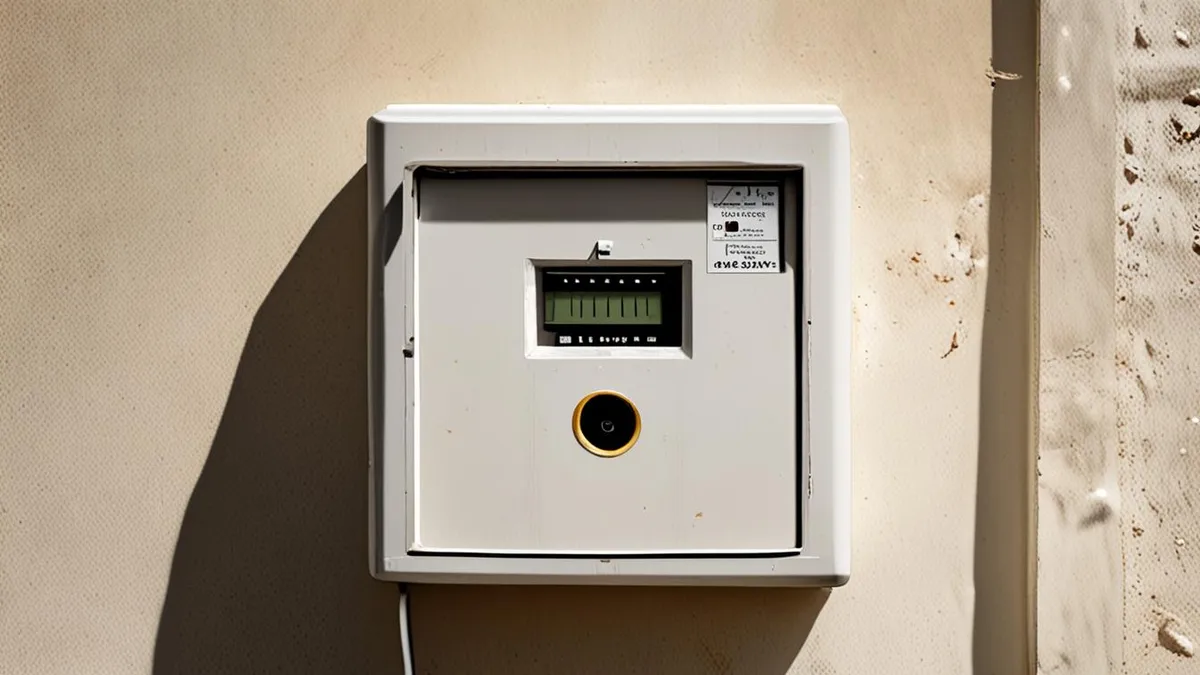
How Metering and Billing Work at Check-In and Check-Out
Metering only works if it’s transparent, and in well-run villas the process is straightforward and documented. The key moments are arrival and departure, when the readings that determine your final bill are recorded. Because electricity allowances commonly range from 100–300 kWh per week before extra charges apply, knowing exactly where you stand at both ends of your stay is what keeps the final bill fair. Here’s how the process typically works from start to finish.
- Reading at check-in: the host or property manager photographs or writes down the electricity meter reading when you arrive, ideally with the date visible, so there’s a fixed starting point everyone agrees on. If nobody offers this, ask for it yourself before you unpack.
- Reading at check-out: the same meter is photographed or noted again when you leave, and the difference between the two readings is your consumption for the stay. Do the walk-through together rather than accepting a number after you’ve gone.
- Calculating the bill: the difference in kWh is multiplied by the local unit rate the host quoted, giving the exact amount you owe for electricity used during your stay. Run the numbers yourself on the spot so any discrepancy can be discussed while you’re still there.
- Settling up: that amount is either deducted from your deposit or paid directly on departure, so it helps to know in advance how the deposit works — this related guide on how villa damage deposits work and when you get them back covers the deduction process in detail.
The whole system depends on trust and documentation, so protect yourself before you arrive. Ask the host for a photo of the initial reading and the price per kWh in writing, ideally in the booking messages where there’s a permanent record. With both figures documented, the final calculation is simple arithmetic you can check yourself on departure day — and if your usage looks higher than expected, remember that air conditioning left running all day is usually the culprit, not a faulty meter.
Typical Utility Costs by Season and Stay Length
The season you travel in makes a bigger difference to your final utility bill than almost anything else on the booking. In shoulder season, meaning May, June, September and October across most Mediterranean destinations, temperatures are mild enough that air conditioning runs for a few hours in the evening rather than all day. A normal villa week in these months rarely exceeds the included electricity allowance, so most guests pay nothing extra at checkout.
July and August are a different story. When a group runs the AC through the day in a hot climate, daily usage in a villa can easily hit 25–40 kWh, and that kind of heavy demand can push you well past a typical weekly allowance. The overage gets billed at the local unit rate, either deducted from your deposit or collected on departure, so it pays to know the numbers before you arrive. Ask for the price per kWh in writing and you can estimate your own exposure before you even pack.
Monthly rentals work differently
Long-stay monthly rentals usually quote utilities included in the rate. Because the host prices the whole month up front, fixed monthly rates absorb the seasonal swings that make weekly summer bookings unpredictable. If you are planning an extended stay, it is worth understanding how monthly villa rates and long-stay terms actually work, since the billing structure is often simpler than a weekly booking with metered extras.
The practical takeaway: if you are booking a peak summer week, budget for possible overage charges and keep an eye on your meter readings along the way. If you are traveling in shoulder season or staying a month or more, utilities are rarely a surprise line item.
How to Keep Villa Electricity Costs Down
Keeping your villa electricity bill low is mostly about habits, not sacrifice. The single biggest cost driver is air conditioning left running in empty rooms. A unit that hums away all day while you are at the beach can quietly add up to a sum that rivals a nice dinner out for the whole group by the end of the week. Switch units off when you leave and only cool the rooms you are actually using.
Shutters and blinds are your second tool. Mediterranean villas were designed around them: closing shutters during the afternoon keeps heat out, so rooms stay comfortable with far less cooling demand in the hot months. Ten minutes of shutter discipline each morning can meaningfully shrink your kWh total by checkout.
Pools deserve special attention. If you want a warm pool, book it deliberately rather than assuming the heater will simply be on. Heating is usually the priciest extra a villa offers, and on a short stay it can approach the cost of the nightly rate itself, so treat it as a real line item in your budget. Before you commit, it helps to compare the trade-offs in whether a heated or unheated villa pool makes sense for your trip.
- Pre-cool, then coast. Run the AC hard for 20–30 minutes when you return, then raise the thermostat a few degrees rather than leaving it at the lowest setting for hours; the room stays comfortable while consumption drops noticeably.
- Close interior doors. Cooling a closed-off bedroom takes a fraction of the energy of trying to chill an open-plan living space connected to a hallway, so shut doors to rooms and zones you are not using.
- Check the pool cover. Many villa pools lose most of their heat overnight when uncovered; if the villa provides a solar or thermal cover, using it each evening can cut heating demand significantly and sometimes lets you switch the heater off entirely on warm weeks.
- Agree on heating days in advance. If your group only wants the pool warm for a few specific days, tell the manager at booking; heating selectively rather than for the whole stay can save hundreds of euros on a two-week trip.
Questions to Ask the Host Before You Book
Most utility disputes come down to one thing: the guest did not know the rules until the final bill appeared. Every one of these surprises is avoidable with a few direct questions before you pay anything. Send them in writing, ideally through the booking platform’s messaging system, so you have a record you can refer back to if the checkout math goes sideways.
Start with the basics: is electricity included, metered, or charged as a flat fee? Is air conditioning on the same meter or billed separately? Is pool heating included or an optional extra? Then ask for the price per kWh in writing. A host who answers these questions clearly and promptly is usually a host who runs a transparent operation.
Once you have the billing model, pin down the numbers. Ask whether a utility deposit or prepayment applies, and how any overage will be collected at the end of your stay. Finally, confirm the metering process itself: readings are usually taken at check-in and check-out, so ask that they be shared with you, ideally with photos, making the final calculation simple arithmetic rather than a debate.
- Ask who takes the readings. Find out whether the owner, a local property manager, or a keyholder handles the meter photos, and whether you will be present or receive them by message; knowing the person involved makes the process feel accountable rather than arbitrary.
- Ask what happens to unused allowance. Some hosts roll an unused kWh balance into nothing, others refund it; a quick question tells you whether the allowance is a cap or simply a starting buffer.
- Ask about other metered extras. Beyond electricity, some villas meter firewood, bottled gas for heating, or saunas; a single question about “anything else on the meter” catches these before they surprise you at checkout.
- Ask for the calculation in advance. Request a worked example showing how a higher-than-allowance week would be billed; a host who can show the math calmly will handle your actual bill the same way.
Wrapping Up Villa Utility Costs
That bargain nightly rate can look less generous once you realize electricity and air conditioning are billed separately. In most villas, the extras that matter come down to two things: AC, which typically adds €15–€40 per day in peak summer when metered, and pool heating, which usually runs €30–€100 per day depending on the pool size. Everything beyond a typical 100–300 kWh weekly allowance is calculated from meter readings taken at check-in and check-out, so what you pay is tied directly to what you actually use.
The good news is that none of this has to be a surprise. Before you book, ask the host exactly how utilities are handled and request the price per kWh in writing. A short message now can save you an awkward conversation over the final bill at departure. If this guide helped you budget for your next villa stay, leave a comment or share it with a fellow traveler.