Many travelers book a lodge described as “riverside” only to arrive and find the water hidden behind a road, a row of trees or a tall flood embankment. The disappointment is common precisely because the term is used loosely: “river view from some rooms” and “near a river” both get marketed the same way. This guide to riverside lodges helps you separate genuine water’s-edge positions from clever wording before you pay.
We’ll walk through how to verify what “riverside” actually means when you book, how river seasons change everything from noise levels to swimming, and how to match the water’s character to your trip. You’ll also find advice on choosing rooms and views, practical checks on access and isolation, and smart booking timing. By the end, you’ll know exactly which questions to ask and when to reserve, so the river becomes the highlight of your stay rather than a surprise.
What ‘Riverside’ Actually Means When You Book
The first thing to check is distance. A true riverside lodge sits within about 100 meters of the bank with a direct, unobstructed view of the water. Anything described as “near a river” or offering a “river view from some rooms” can mean a ten-minute walk, a glimpse between buildings, or a distant sliver of water from a single upper-floor window. Both are fine if that’s what you want, but they aren’t the same thing as stepping out of your room and hearing the current.
Reading the photos properly
Listing galleries are designed to flatter, so look closely at the source of each image. Photos taken from the terrace or from inside the windows tell you what you’ll actually see when you sit down with your coffee. Drone shots, by contrast, are often chosen precisely because they hide what sits between the lodge and the water: a road, a car park, a line of poplars or a concrete embankment. If the gallery is heavy on aerials and light on eye-level shots, ask for a photo taken from the terrace of the room you’re booking.
Finally, ask directly whether anything runs between the property and the river. A flood embankment, a railway line or a main road can sit low enough to be invisible in photos yet loud enough to spoil the quiet you came for. A good lodge will answer this plainly; evasive answers usually mean there’s something worth hiding.
How River Seasons Change Your Stay
Rivers are seasonal animals, and the same lodge can feel like two completely different places depending on when you visit. In mountain regions, river levels peak during spring snowmelt, roughly April to early June. The water is fast, loud and dramatic, which is wonderful if you want the theater of a river in full spate. The trade-off is practical: high water can flood banks and paths, so riverside terraces and walking trails may be muddy, closed or under a few centimetres of water.
Low water and the golden months
From August to October, most rivers drop to their lowest levels. This is low-water season: calmer conditions that suit swimming and paddling, with gentler currents and more accessible banks. The caveat is that some shallow rivers shrink to barely a trickle, so a lodge sold on the sound of rushing water can feel oddly quiet in late summer. If the river’s voice is your main reason for booking, ask how it behaves at the end of the season.
September and October bring a bonus in many temperate regions: autumn color along the riverbanks. Deciduous trees turn gold and red against the water, making these the most photogenic months on many rivers. Combine that with lower water levels and you get a stay that’s both beautiful and easy on the feet.
Choosing the Right Water Character for Your Trip
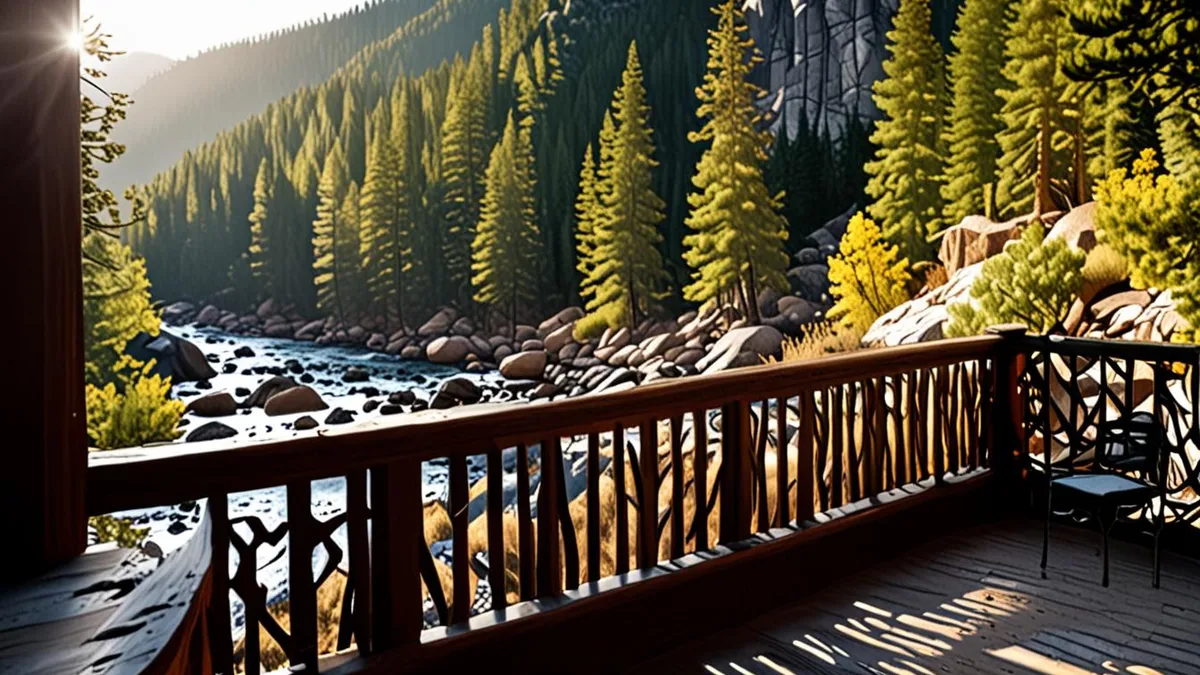
Not all rivers suit all travelers, and choosing the wrong character of water is one of the most common mistakes. Fast mountain rivers are ideal if you want white noise to sleep to, kayaking on your doorstep and dramatic scenery with steep gorges and boulders. The downside is real, though: terraces beside fast water can be loud and damp, with spray and constant roar that some people find exhausting after a few days.
Slow lowland rivers are the opposite. Their gentle banks and calm water make them the natural choice for swimming, paddleboarding and fishing, and they’re far easier for children to access safely. Wide estuary or fjord-mouth settings offer a third option, combining river calm with tidal scenery and noticeably more birdlife as waders and waterfowl move with the tide. If that coastal-river blend appeals to you, it’s worth reading more about fjord-side stays in Norway fjord lodges with the best views.
- Ask whether the lodge offers equipment on site, such as kayaks, paddleboards or fishing gear, since renting elsewhere can add cost and logistics to a water-based trip.
- Check if the terrace is covered or shaded, because fast rivers can throw spray and lowland rivers can leave you exposed to full sun at midday.
- Find out whether the river section is safe for swimming in practice, since a calm-looking stretch can still have currents, cold patches or a slippery stony bottom.
Rooms, Views and What to Pay
The price gap between rooms in the same lodge can be significant. A water-facing room typically costs 10-25% more than a rear-facing one, and that difference is worth paying if the view is genuinely part of your trip. But don’t pay it on trust alone. When you book, confirm your exact room number, not just the category. A “river view” category can include rooms where the water is visible only if you lean over the balcony or peer past a tree.
Step back further and the whole property carries a premium. Expect to pay around 20-40% more for a genuine riverside lodge compared with a similar property set back from the water. That premium buys you the sound, the light and the instant access to the bank, so decide how much those things actually matter to your stay. If you plan to be out hiking all day, a cheaper lodge a short walk from the river may serve you just as well.
Which floor works best
Ground-floor rooms with direct river access are the natural choice for families. Children can wander down to the bank under supervision, and you avoid hauling gear up stairs after a day of paddling. The trade-off is privacy and sometimes dampness near the water. Upper floors give better views over bank vegetation such as reeds and willows, which can otherwise block the sightline from ground level. If photography or simply watching the river from bed is your priority, ask for a room on the top floor with an unobstructed window facing the water, and confirm that view in writing before you pay the extra.
Access, Isolation and Practical Checks
Riverside lodges trade convenience for scenery, and the trade is usually worth it — as long as you know what you’re signing up for. Start with the basics: ask how far the lodge is from the nearest town center. If the answer is anything over 30 minutes by car, your evening options shrink to what the lodge itself offers, so plan for self-catering or confirm there’s a proper on-site restaurant rather than a limited bar menu. This matters most if you’re staying several nights and don’t want to drive back along dark country roads after dinner.
Then think about the last hundred meters of your arrival. Many river-facing properties sit below the road, reached by gravel paths, steps or a small footbridge. That’s charming with one suitcase and a challenge with two, a stroller and a cooler box. It’s also worth asking how that route behaves in wet weather, since paths close to the water can turn muddy or slippery.
- Parking distance: ask exactly where you leave the car and how far you walk from it. Some lodges have riverbank lots a few hundred meters away, which matters in rain.
- Luggage logistics: check whether staff help carry bags, or whether you’ll be hauling suitcases down steps or across gravel to reach river-facing rooms.
- Mobile signal: deep river valleys often have patchy coverage, so ask which network works on the terrace and whether calls drop indoors.
- Wi-Fi strength: confirm it reaches the rooms themselves, not just the lobby, especially if you need to work or stream in the evenings.
- Supplies: in isolated spots, ask whether the nearest small shop or petrol station stays open late, in case you arrive after dinner hours.
A quick email covering these points before booking saves a lot of surprises, and lodges used to remote locations usually answer them honestly. If a property dodges simple questions about parking, signal or food, treat that as useful information in itself and look elsewhere.
Booking Timing for Riverside Lodges
Riverside lodges are small properties with a small number of the rooms everyone wants, so timing matters more here than at a standard hotel. Water-facing rooms sell out first, and once they’re gone you’re either paying for a rear room or waiting another year. The same logic applies across water-based stays — it’s why lakeside properties such as Finland’s lakeside lodges for summer holidays fill up early too. Here’s how to sequence your booking:
- Reserve 3-6 months ahead for summer dates. This is the minimum window for a decent chance at a water-facing room in July or August, since these are the first to sell out and small lodges have few of them.
- Book 6-9 months in advance for peak holiday weeks. School holidays, public holidays and festival weeks concentrate demand, and if you want one specific river-facing room — the corner one with the wraparound terrace, say — this is the only reliable way to get it.
- Consider shoulder season instead. Stays in May-June or late September often combine good water levels with lower rates, so you may get the view you wanted at a price closer to a rear-facing room in high summer.
- Reconfirm your room before arrival. A short email a couple of weeks out, restating your room number and that it faces the water, catches mix-ups while there’s still time to fix them.
One last habit worth building: set a calendar reminder for the booking window of your preferred lodge, since many small properties open reservations on a fixed date and the best rooms can go within days. If you miss that date, call anyway — cancellations do happen, especially a week or two before arrival when deposits lapse. Flexibility helps too: if your dates can shift by a few days, ask which nights still have water-facing availability rather than fixing on one specific weekend. A little patience with dates, plus an early start, usually beats paying a peak-season premium for whatever is left.
Finding Your Base by the Water
Most riverside disappointments come from booking a label instead of a position. The fix is simple: confirm the lodge truly stands at the water’s edge with a direct, unobstructed view, check that the river’s character suits your trip, and verify your exact room faces the water rather than assuming the category does.
Timing matters just as much. Water-facing rooms tend to sell out first, so reserving well ahead of your travel dates pays off, while shoulder-season travel often brings the best balance of view and price. With these checks done, the river becomes the highlight of your stay rather than a surprise hidden behind an embankment. If this helped you plan your next trip by the water, leave a comment or share the article with a fellow traveler.