It’s a familiar holiday scene: you arrive at your resort, bags in hand, only to learn at check-in that dinner requires long trousers and closed shoes. Suddenly your suitcase full of shorts and T-shirts doesn’t cut it, and you’re faced with an expensive shopping trip or skipped reservations. Resort dress codes catch out even experienced travelers, mostly because nobody thinks to check before they pack.
The good news is that these rules are usually simple once you know them. Most large resorts use two evening levels: smart-casual, which typically means long trousers and a collared shirt or blouse, and a formal or “elegant casual” standard at one or two venues, usually the à la carte restaurants rather than the buffet. In this guide, we’ll explain what resort dress codes actually mean, how to check them before you book, and exactly what to pack. You’ll also find a smart-casual packing list, tips for formal nights, strategies for packing light, and a few extras for evenings beyond dinner.
What Resort Dress Codes Actually Mean
Most large resorts use two evening dress levels, and understanding the split takes most of the confusion out of packing. The default is smart-casual, which typically means long trousers and a collared shirt or blouse for men, with shorts, vest tops and flip-flops excluded. At one or two venues only, you’ll find a formal or “elegant casual” code, usually the resort’s flagship à la carte restaurants.
The good news is that the code applies mainly to evening dining. Buffets and pool bars are almost always casual, so you can eat breakfast in whatever you rolled out of bed wearing and grab a lunchtime drink straight from the pool. The dress code conversation really only starts when you get dressed for dinner.
Not all resorts are equally strict
Style of property matters too. Family and beachfront resorts tend to be more relaxed, and staff rarely turn anyone away for smart shorts at a buffet-adjacent venue. Adults-only and 5-star properties usually enforce their codes more consistently, especially at their signature restaurants, so it’s worth reading those details carefully before deciding what to pack.
In practice, this means the vast majority of your evenings will fall under the smart-casual umbrella, with formal nights being the exception rather than the rule. If your resort has two or three à la carte restaurants, expect one of them to carry the stricter code and the rest to accept a collared shirt and long trousers without fuss.
How to Check a Resort’s Dress Code Before You Book
Dress codes vary more between resorts than most travelers expect, and the last place you want to discover a jacket requirement is at the restaurant door on your first night. A few minutes of checking before you book saves you from over-packing or from buying overpriced trousers at the resort shop. Here is how to find out what a property actually expects.
- Check the resort’s restaurant pages. Most large resorts list dress code details on their website, usually on the page describing each restaurant rather than in a general FAQ. Look for words like “smart-casual” or “elegant casual” next to individual venues, and note which restaurants they apply to.
- Email the hotel if the information is unclear. If the website only says “dress code applies,” send a short email asking which restaurants require smart-casual and which are formal. A direct answer also gives you something in writing to refer back to if expectations on site differ.
- Confirm again at check-in. Even if you researched ahead, ask the front desk to walk you through the evening venues. Wristband systems and dinner reservation slips often list the required dress level for each restaurant, so you can plan each night before you unpack.
- Use dress codes when comparing resorts. A boutique property and a large resort can sit at very different levels of formality, even in the same destination and price range. If you prefer eating dinner in shorts and sandals, a relaxed beachfront or family resort may suit you better than a formal adults-only property.
Taking these steps also changes how you pack. Once you know whether your chosen resort leans relaxed or formal, you can decide whether a blazer earns its place in your suitcase or whether a couple of collared shirts will carry you through the week. It is a small piece of research that shapes both your bookings and your luggage.
Packing List for Smart-Casual Resort Dinners
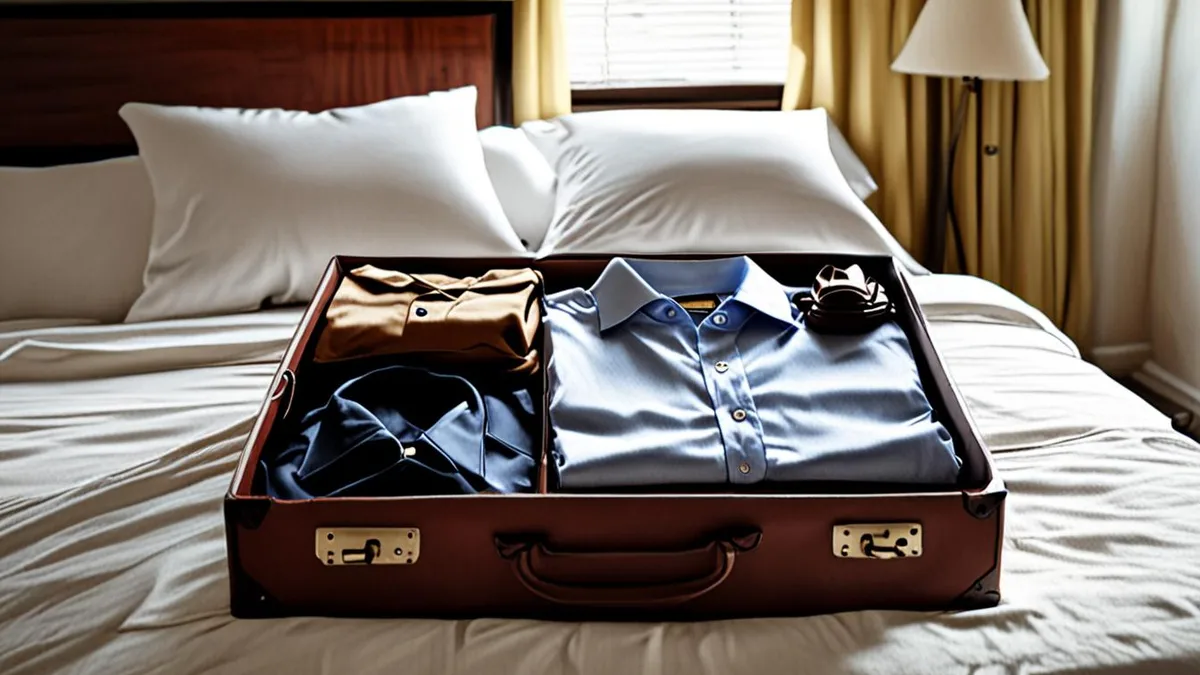
Smart-casual dinners need surprisingly little in your suitcase. The trick is choosing pieces that breathe, resist wrinkles and work across several nights without looking repetitive. Focus on a small core of trousers, shirts and one layering piece, then let shoes and accessories do the rest of the work.
For men, two pairs of lightweight linen or chino trousers are enough for a week, especially if the resort offers laundry. Pair them with two or three collared shirts in colors that match both pairs, and you have every combination covered. For women, two or three dresses or smart separates handle most evenings, and a light wrap or pashmina solves the air-conditioned dining room problem that catches many travelers off guard in hot destinations.
A packable blazer or cardigan is the single most useful item here. It covers most smart-casual requirements, folds down to almost nothing and adds very little luggage weight. If you only add one “dressy” item to your bag, make it this one.
- Linen or chino trousers in a neutral color — shades like navy, stone or olive pair with nearly any shirt, doubling your outfit options without extra packing.
- Collared shirts in quick-drying fabric — a cotton-blend shirt survives a suitcase better than pure linen and looks presentable straight from the fold.
- Closed-toe shoes or smart sandals — leather sandals usually pass at smart-casual venues, but avoid rubber flip-flops, which are commonly excluded.
- A pashmina or light wrap — beyond warmth, it doubles as a shoulder cover at venues where sleeveless tops may raise eyebrows.
- One dark shirt that reads “dressier” — a navy or black collared shirt works for both smart-casual dinners and any venue that leans more formal.
Dressing for Formal Nights and Elegant Venues
Formal nights sound intimidating, but at most resorts they are far from black-tie. For men, the usual requirement is a jacket over a collared shirt with long trousers. For women, a cocktail dress or elegant separates, such as a silk blouse with tailored trousers or a skirt, fits the bill perfectly. You do not need a tuxedo or a floor-length gown.
Shoes are where formal venues tend to be strictest. Closed-toe shoes are commonly required for men at these restaurants, so it is worth packing one pair that can pull double duty. A smart leather or leather-look sneaker or loafer works for a formal dinner and also covers daytime smart occasions, like an excursion or a nicer lunch, without wasting luggage space.
If you would rather skip formal venues
Not everyone wants to dress up on holiday, and that is fine. Some resorts require reservations at their formal restaurants, so if you plan to skip them, check whether your preferred alternative venues also need booking or whether you can walk in. Many all-inclusive properties allow buffet dining every night with no dress code beyond basic neatness, which gives you a reliable fallback. Confirm the setup at check-in so you are not turned away from a restaurant on your first evening.
Packing Light: Laundry, Layers and Repeating Outfits
Here is the good news: a typical 7-night resort trip needs only 2-3 dinner outfits if you plan to use the laundry service. Most large resorts offer one, and it usually costs roughly $2-5 per item with clothes returned within 24 hours. Hand over a pair of trousers and a couple of shirts on day two, and they are back on your hanger by day three, ready to wear again.
The trick to making this work is choosing pieces that mix and match. Stick to a two-color palette, such as navy and white or olive and beige, so every pair of trousers works with every shirt. Three tops and two bottoms suddenly become six combinations instead of five separate outfits you wear once.
Fabric choice matters just as much, especially in warm destinations. Breathable materials like linen and cotton handle both the heat and the dress code, which is why lightweight linen trousers and a packable blazer cover most warm-destination requirements. If you are still deciding between destinations, our comparison of Red Sea and Mediterranean resorts covers how climate shapes what you will actually wear each evening.
- Send laundry out early in the week. Handing items in on day two or three leaves room for a second wash cycle later in the trip if a spill happens.
- Choose darker colors for repeat wears. Navy, black and olive trousers show far less wear between washes than light beige or white.
- Roll formal pieces instead of folding. Rolling a packable blazer and linen shirts in your case reduces creases, so nothing needs pressing before dinner.
- Pack one dark pair of jeans or chinos as a spare. They work for casual evenings if a laundry turnaround is ever delayed.
Evening Extras Beyond Dinner
Dinner is only half the evening at most resorts. Entertainment venues and bars usually accept the same smart-casual standard as dinner, but some shows and lounges exclude beachwear after dark. That means wet trunks, bare feet and cover-ups tied over swimwear can get you turned away, even if you spent the whole afternoon in the same outfit. A quick change before the evening show saves an awkward conversation at the door.
If you want a sense of what evenings actually look like, our guide to resort entertainment programs day and night walks through the typical schedule, from poolside games to late-night lounges.
One layer for open-air nights
Coastal resorts can drop 5-10°C after sunset, and open-air shows and terrace bars sit squarely in that breeze. Pack one warmer layer, such as a light sweater or zip-up hoodie, and you will enjoy the entertainment instead of shivering through it. This single item also covers air-conditioned theaters and shuttle rides back to your room.
Getting from pool to bar
Most resorts expect some cover between the pool and the bars in the evening. A simple t-shirt or linen shirt thrown over swimwear is usually enough to move through public areas, though it will not get you into venues with a smart-casual rule. Keep a dry shirt in your room or pool bag so the transition takes two minutes, and you can go straight from a late swim to a sunset drink without a full change.
Pack Once, Dine Anywhere
Here’s the good news: most resorts only ask for smart-casual at dinner, with formal dress limited to one or two à la carte venues. That means long trousers and a collared shirt for men, or a dress or smart separates for women. The panic scenario where travelers discover at check-in that they need closed shoes and no shorts for every meal is rare, and it’s easy to avoid entirely.
Check the dress code on the resort’s restaurant pages before you book, pack two or three versatile evening outfits, and use the laundry service to stretch them across a 7-night stay. Mix-and-match pieces in a simple color palette keep your luggage light and your evenings stress-free. Have you ever been caught out by a surprise dress code on holiday? Tell us in the comments or share this article with a friend who’s packing for a resort trip.