Resort amenities can make or break a vacation, yet they are also the easiest thing to overpay for. A rooftop pool, a kids club, a spa with a dozen saunas — brochures list them all as must-haves, and nightly rates climb accordingly. The problem is that few travelers stop to ask which resort amenities they will actually use, and which ones simply pad the price of a room they barely see between excursions.
This guide takes a practical look at the amenities that justify a higher nightly rate, from daily-use perks like pools and included breakfast to spa access, family facilities, and location advantages such as beachfront or ski-in/ski-out access. We also cover when half-board food packages pay off, how to verify what is truly included before you book, and how to match amenities to your trip type. The goal is simple: spend more only where it buys you something you would otherwise pay for separately.
Which Resort Amenities Justify a Higher Nightly Rate
The simplest way to judge a resort’s amenities is to ask one question: will I use this every day? A pool you swim in each morning or an included breakfast you eat before every excursion delivers value repeatedly over a week-long stay. A champagne welcome, a rooftop bar you visit once, or a library nobody opens adds cost without adding much experience. Daily-use amenities almost always beat one-off extras when you compare rates.
That said, some premiums are genuinely worth it. Resort fees and amenity surcharges typically add 10-25% to the base room rate, and paying that premium makes sense when the amenity replaces something you would otherwise buy elsewhere. If a resort’s spa means you skip the town wellness center, or its kids club replaces paid childcare you would book anyway, the math works in your favor.
Think about how you travel before you compare
The right amenities depend on who is traveling. Couples on a relaxing break usually get the most from wellness facilities — saunas, heated pools, quiet zones. Families should prioritize kids clubs, family rooms, and flexible dining over anything designed for adults. Business travelers or active guests may care more about reliable wifi, gear storage, or early breakfast hours. Before comparing two resorts, write down the three or four amenities you know you will use, then check which property includes them in the base rate rather than charging separately. That comparison tells you which higher price is actually justified.
Spa and Wellness Facilities Worth the Upgrade
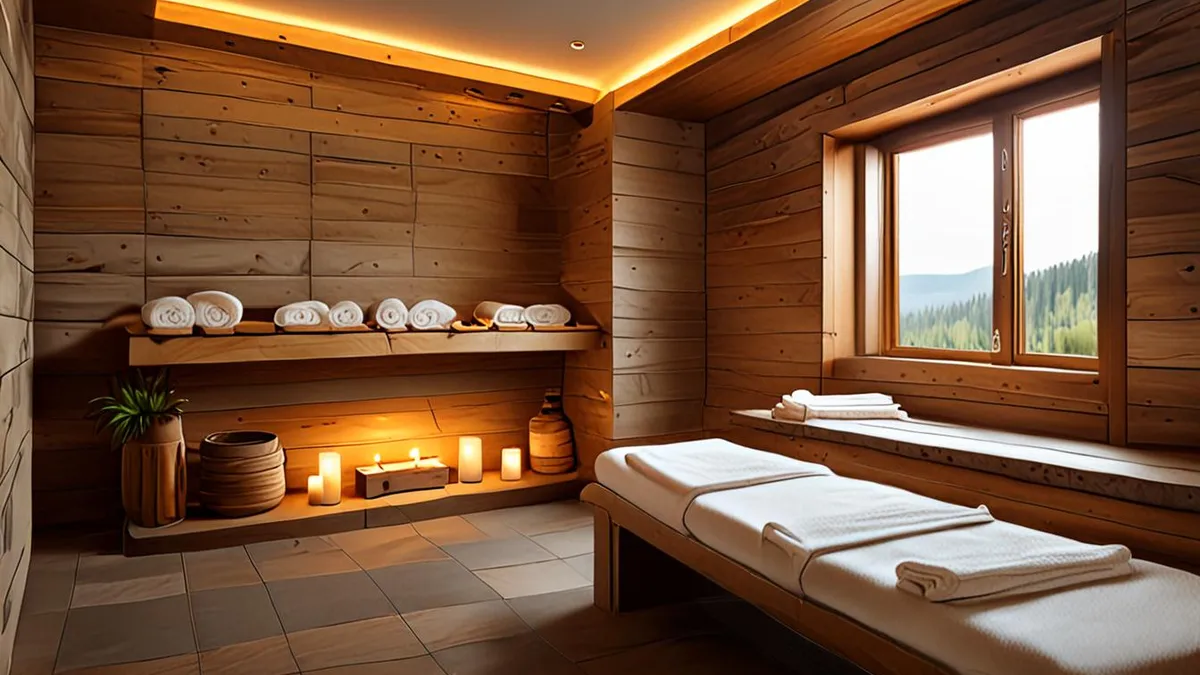
Spa and wellness facilities are among the most convincing reasons to pay more for a resort, especially in destinations where you would otherwise pay for each visit separately. Sauna, pool and massage access often costs 15-30 EUR per day when bought as a day pass at a standalone wellness center. Over a week, that adds up quickly, so a resort that bundles facility access into the nightly rate can save real money while adding convenience — no driving, no changing rooms in a strange facility, just walk down in your robe.
Wellness resorts in the shoulder season
Wellness-focused resorts shine during shoulder-season stays, when weather may limit hiking, swimming outdoors, or sightseeing. A resort with a strong indoor offering — heated pools, saunas, steam rooms, fitness classes — turns a rainy or cold day into part of the vacation rather than a write-off. If your trip falls in spring or late autumn in a mountain or lake destination, weighting your choice toward spa facilities makes more sense than it would in high summer.
Read the fine print before you book
Two details deserve checking. First, opening hours: some resort spas close certain days of the week, shut for lunch, or run reduced schedules in low season, which matters if the spa is your main reason for booking. Second, clarify what “spa access” actually includes. Many resorts include pools and saunas in the rate but charge separately for massages, facials, and other treatments, and these treatment prices are often higher than at independent spas nearby. Ask before booking so you can budget honestly — facility access bundled in the rate is the real saving, while treatments should be treated as optional extras you compare on price.
Family Amenities That Save Money and Stress
Family amenities are where a higher nightly rate most often pays for itself, because they replace things parents would otherwise buy or improvise. A good kids club typically serves children aged 4-12 and gives parents genuine downtime — a few hours to read by the pool, take a spa treatment, or have an uninterrupted dinner. If you would otherwise pay for a local babysitter or drop-in childcare, a kids club included in the rate is a direct saving, and a far less stressful one to arrange.
Room configuration matters just as much. Family rooms or connecting rooms let everyone stay in one booking instead of paying for two separate rooms, which is often the single biggest cost difference between similar resorts. When comparing prices, always check what a family of four actually pays, not the headline rate for a standard double.
Finally, remember that practical features beat fancy ones. A shallow pool where a five-year-old can stand, a playground visible from your terrace, and meal times that bend to a toddler’s schedule will shape your stay far more than a water slide or a themed lobby.
- Kids club hours and booking rules: Some clubs run full days, others only mornings or require advance sign-up. Check whether lunch is included during club hours, since that affects both cost and logistics.
- Crib and highchair availability: Confirm whether cribs, highchairs, and bottle-warming facilities are free or charged, and whether you need to reserve them before arrival rather than hoping one is free.
- Pool depth and lifeguard coverage: Ask for the shallowest pool’s depth and whether lifeguards are on duty, so you know whether young swimmers need constant supervision or can splash more freely.
- Kids’ menu and portion sizes: Resorts with real children’s portions and early dinner sittings save money and tantrums compared to those charging full adult prices for half-eaten plates.
Location-Based Amenities: Beach, Slopes and Trails
Location can be an amenity in itself, and it is often the one worth the biggest premium. A resort with direct beach access or true ski-in/ski-out positioning saves you the daily shuffle of packing the car, hunting for parking and paying for transport. Between fuel, shuttle buses or paid lots, that convenience typically works out to around 10-20 EUR per day, not to mention the hour or more of time you get back.
Why distance matters more than star ratings
Resorts within 300 m of a lift or the shoreline consistently beat cheaper options that require a daily drive. If you are traveling with kids, skis, coolers or beach gear, a five-minute walk changes the rhythm of your whole trip. You can pop back for lunch, skip the midday rush or let a tired child rest without committing to a full day out. A slightly pricier room near the action often costs less overall than a bargain hotel plus a week of car trips.
Do not overlook the small stuff either. Free gear storage, heated boot rooms and trail maps sound minor until you are drying ski boots overnight or planning a hike without cell signal. When comparing ski properties, it helps to look at what the slopes themselves offer, and a good starting point is this overview of ski resorts in Slovakia for winter trips. Ask whether the resort stores bikes, sleds or beach equipment at no charge, because these unglamorous perks add real practical value.
Food and Drink Packages: When Half-Board Pays Off
Food packages are where resort pricing gets confusing, so it helps to run the numbers before you commit. Half-board, which usually covers breakfast plus dinner, typically costs 25-40 EUR per person per day at European resorts. At remote properties where the nearest restaurant is a drive away, that price is often reasonable, especially once you factor in that you would otherwise pay separately for two meals plus drinks. In towns or beach strips with plenty of dining options, the same package can feel restrictive and overpriced.
Full-board rarely pays off if part of your trip’s appeal is exploring local restaurants. You have already paid for lunch you will skip, and you will feel obligated to eat at the hotel buffet instead of the seafood taverna ten minutes away. If you love trying local food, book room-only or breakfast-only and spend the difference where it counts.
Breakfast alone deserves attention. An included breakfast can save 10-15 EUR per person per day, which adds up fast for a family. Before deciding, compare what is actually on offer:
- Buffet vs. plated breakfast: a generous buffet that covers adults and kids comfortably delivers far more value than a modest continental plate that sends you to the café afterward.
- Kids’ pricing rules: some resorts include breakfast free for young children or charge a reduced rate, which can swing the math significantly for families.
- Hours and flexibility: if breakfast ends at 9:00 and you planned long beach mornings, an included meal you keep missing is worth nothing.
- Dinner timing and theme nights: at remote resorts, check whether dinner has a fixed seating time or rotates menus, since a week of identical buffets changes how good a deal feels.
How to Check Amenities Before You Book
Amenities sell rooms, but they do not always deliver what the photo gallery promises. A few minutes of checking before you book can save you from surprise fees and from paying a premium for a pool that turns out to be a plastic tub. The good news is that verifying amenities takes very little effort if you follow a clear sequence. Here is the practical routine experienced travelers use before committing to a resort stay.
- Filter reviews by recency and topic. Sort guest reviews from the last several months and search them for mentions of the specific amenities you care about, such as the pool, spa, kids club or gym. A resort can have spotless rooms while its heated pool has been “temporarily closed” all season, and only recent reviews will reveal that.
- Look for condition, not just existence. Reviews that mention worn lounge chairs, a small “heated” pool that is unheated in practice, or a kids club with limited hours tell you what the marketing photos will not. Note how management responds to complaints, too, since that hints at how problems are handled on-site.
- Confirm what is included versus charged. Email or call the resort with a short list: Is spa access included or does it add a daily fee? Is parking free? Are sunbeds at the pool or beach charged separately? Fees for the spa and parking routinely appear only at checkout, and resort surcharges can add meaningfully to the base rate.
- Time your booking to the season. For summer resort stays, booking 2-4 months ahead usually secures amenity-rich room categories at fair rates; for ski season, aim for 4-6 months ahead, since the best ski-in/ski-out and family rooms go first.
Once you have confirmed the inclusions in writing, keep that email handy in case a fee appears on your folio at checkout. Most resorts will honor what their reservations team confirmed, but only if you can show it. Take a screenshot as well, since email access can be unreliable when you are traveling. This small paper trail is often the difference between a smooth checkout and an argument over charges you never agreed to.
Choosing Amenities That Fit Your Trip
So which amenities actually improve a stay, and which just inflate the nightly price? The answer comes down to how often you will use them. Daily-use features like a good pool, included breakfast and family facilities such as kids clubs genuinely justify a higher rate, because they replace things you would otherwise pay for separately.
Location perks often beat indoor extras. Direct beach access or a resort within a short walk of a ski lift can save both money and time every single day, which matters more than a fancy lobby bar you visit once. Before paying any premium, verify what is truly included and read recent reviews that mention amenity condition, since spa fees and parking charges have a way of appearing at checkout. If a resort has helped you plan a better trip, leave a comment or share this article with a fellow traveler.