Coordinating several families with different budgets, kids and schedules often turns a group lodge trip into a logistical headache. Someone wants a lie-in, someone else wants an early hike, and by day two the group chat is full of quiet complaints. A multi-family lodge holiday can fix most of this, but only if you plan the basics before anyone packs a bag.
This guide walks through the decisions that matter most: why one lodge beats a stack of separate hotel rooms, how to pick a destination that works for toddlers and teenagers alike, and how to match bedroom and bathroom counts to your group. We also cover when to book, how to split the bill fairly between families, and how to plan shared days without forcing everyone to move as one pack. Get these things right early, and the trip mostly runs itself.
Why a Lodge Works Better Than Separate Rooms for Group Trips
The biggest advantage of a lodge is simple: everyone stays in the same building. Instead of four to six families scattered across separate hotel rooms and corridors, 8-16 guests share one kitchen and one living space. Breakfast happens together, board games start after dinner without anyone arranging a meeting point, and the adults can talk in the evening while kids fall asleep in the next room.
Money is the second reason. A lodge means one rental bill per stay, which is far easier to split than juggling 4-6 individual hotel bookings, each with its own deposit, cancellation policy and payment date. One invoice, one agreement between families, far fewer spreadsheets.
Privacy still matters
Sharing space does not mean giving up your own room. Lodges built for groups typically have 4-8 bedrooms, so each family gets a door that closes while the group stays under one roof. Parents put kids to bed on their own schedule, teenagers get a room away from the adults, and nobody has to tiptoe through a shared hotel corridor at 10 p.m. That balance of togetherness and privacy is exactly what separate hotel rooms cannot offer.
Choosing a Destination That Suits Every Family
The destination makes or breaks a group trip with young children. Aim for a transfer time under 90 minutes from the nearest airport, because a short drive or train ride means families arrive rested instead of managing meltdowns in a minibus. When comparing lodges, check the transfer before you check the price.
Destinations that work for mixed ages
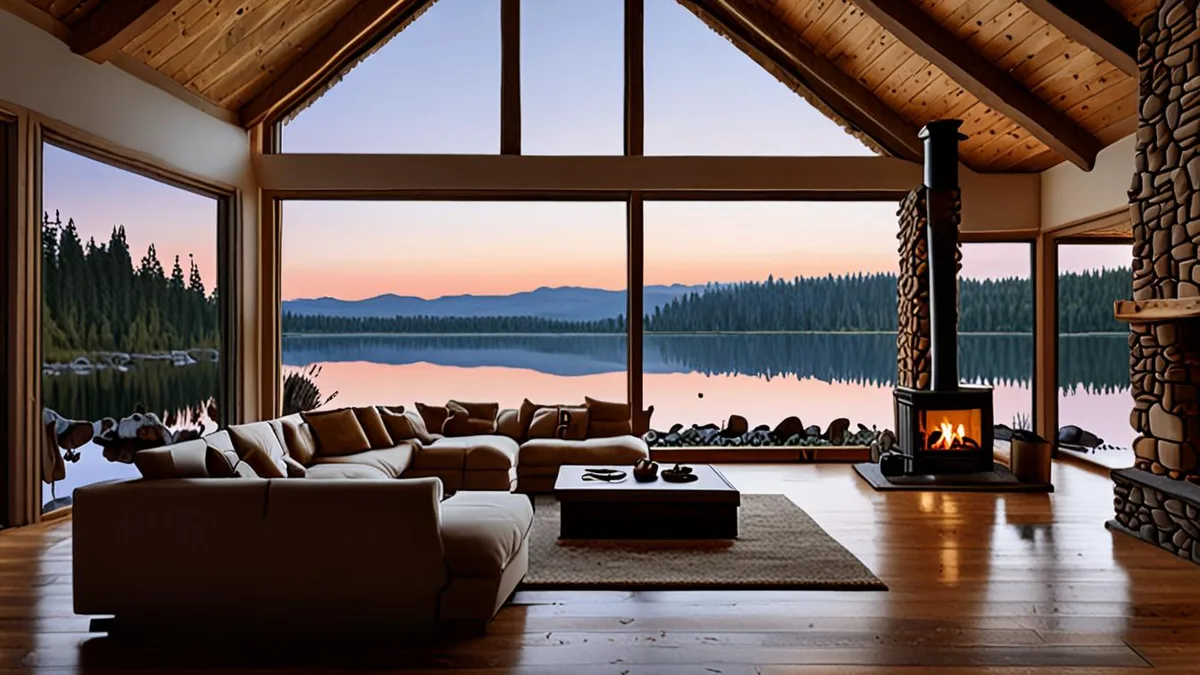
Lakeside lodges in Finland are a strong pick for mixed-age groups: swimming, rowing, forest walks and campfires need no skill or tickets, so a five-year-old and a fifteen-year-old both find something to do. Coastal lodges in Ireland offer the same easy rhythm, with beaches, cliff walks and village pubs that welcome families. Both suit groups who want low-effort outdoor time rather than packed itineraries.
If your group prefers warmth, family lodges in Spain combine pool time, short evening walks and reliable sunshine, which keeps the youngest travelers happy while the adults relax. Snow-loving families should instead compare lodges in the Alps, where beginner slopes and sledding hills sit close to the big group accommodations. Whatever direction you lean, agree on the vibe first, then shortlist lodges that match it, so no family feels signed up for a trip that was never theirs.
One practical tip: send two or three destination options to the group and let each family vote. It takes ten minutes and prevents months of quiet resentment.
For a closer look at the warm-weather option, this overview of family lodges in Spain for easy holidays shows what to expect from pool, beach and village life.
How to Match Lodge Size and Layout to Your Group
The most common booking mistake for group lodges is counting beds instead of bedrooms. A lodge that sleeps 16 on sofa beds and mattresses is not the same as one with real rooms. Families with teenagers in particular need separate rooms, so target lodges with 4-8 bedrooms for a group of 8-16 guests. Everyone sleeps better, and the trip starts on the right foot. Ask the owner or check the listing for the exact bed configuration in writing, because “sleeps 12” can mean two proper bedrooms plus a stack of fold-out beds in the living room.
Bathrooms matter just as much. With 10 or more people under one roof, aim for at least 2-3 bathrooms, or your mornings will turn into a queue with everyone’s schedule hostage to one shower. When comparing listings, study the floor plan as carefully as the photos, because the layout decides whether the week feels relaxed or crowded. Request the actual floor plan if the listing only shows photos, and confirm which bathrooms have showers versus just a tub.
What to look for in the layout
- Room types per family: look for twin or bunk rooms for the kids and en-suite doubles for parents, so each family gets a setup that matches its ages rather than negotiating rooms on arrival day.
- Where the bathrooms sit: a bathroom on each floor beats three clustered upstairs, especially if grandparents or toddlers sleep downstairs.
- A second hangout space: a den, mezzanine or play room lets teenagers and little kids spread out instead of competing for the main sofa in front of everyone.
- Kitchen capacity: check for a large fridge, a dishwasher and a dining table that genuinely seats your whole group, since cooking for 12 at home is half the point of a lodge.
- Bedroom spacing: rooms at opposite ends of the lodge let early-bedtime families and night-owl adults coexist without whispering.
Booking Timelines and Seasons for Multi-Family Lodge Holiday Planning
Large lodges are a limited resource, and the calendar matters more than most group organizers expect. Unlike a single hotel room, a lodge that sleeps 8-16 guests has only a handful of comparable competitors in any given area, so the good ones disappear fast. If you want the best options for your dates, work backwards from your travel window and follow a simple timeline. The steps below assume several families are coordinating around school schedules, which is usually the hardest constraint to satisfy.
- Book 9-12 months ahead for peak summer. July and August are when lodges with 4-8 bedrooms sell out first, because several families must align the same school holidays. Reserve as soon as your group agrees on dates, even if that means paying a deposit before every detail is settled. Availability, not price, is usually the limiting factor for large groups.
- Consider the shoulder season instead. Traveling in May-June or September can cut rates by 20-30%, and you still get long daylight hours in most northern destinations. It is often the easiest way to make a big lodge affordable, and popular lakes and trails are noticeably quieter outside the school holiday crush.
- Check minimum stay rules early. Minimum stays of 3-7 nights are common for large lodges in high season. Confirm this before collecting deposits so no family is surprised by the total, and factor the extra nights into your per-person budget from the start.
- Plan school holidays around the booking. Get every family to confirm their school break dates in writing before you commit, since one mismatch can force the whole group to change weeks. A simple message asking each family to reply with their exact dates works better than a verbal agreement.
Whichever route you choose, put the confirmed dates in a shared group chat the same day you book, along with a screenshot of the booking confirmation. Clear dates early prevent most of the confusion that derails group trips later, and having everything in writing makes it far easier to remind a late-paying family when the balance is due.
Splitting Costs Fairly Between Families
Money is where group trips get awkward, so agree on the system before anyone pays anything. The fairest approach for a lodge is to divide the total nightly rate per person rather than per room, which usually works out to €40-€120 per person per night depending on destination and season. A family of four in two rooms then pays the same per head as a couple, which most people accept as reasonable. It also avoids arguments about whether the family with the en-suite double should pay more than the family in the bunk room. If some guests are only staying part of the week, decide upfront whether they pay a pro-rated share or a flat per-night rate, and note it in writing.
Before you reserve anything, collect a shared deposit from every family. This simple step protects the organizer from covering a large bill alone if someone changes their mind after the lodge is booked. It also filters out half-committed families early, which matters when large lodges fill up fast and you need a firm headcount to pick the right size.
- Ask each family to send their deposit share within a set deadline, such as one week, and treat silence as a no so you can invite another family in time.
- Keep the deposit in a dedicated account or payment pot held by one named person, and share a screenshot of the balance with the group so everyone can see it.
- Run groceries and extras like firewood, kayak rentals or a group dinner through a shared expense tracker app, with one receipt photo logged per purchase.
- Settle all balances on the last evening while everyone is still together, either by bank transfer on the spot or cash, so nobody chases payments for weeks afterward.
Write the agreed split down in one message everyone can refer back to, including what happens to deposits if a family drops out late. Ten minutes of admin at the start saves a season of awkward reminders later.
Planning Shared Days Without Forcing Everyone Together
The biggest mistake groups make is scheduling every hour together. Teenagers want to sleep in, toddlers need naps, and forcing one timetable on everyone creates friction fast. A better rule is to agree on one group activity per day, such as a morning swim, a boat trip or a shared barbecue, and leave the rest of the day free for families to do their own thing.
Pick a lodge where splitting up is easy
Location does a lot of the work here. Choose a lodge within walking distance of a village or a trailhead so sub-groups can eat lunch, buy ice cream or go for a short hike without needing cars or a group vote. Lakeside destinations work especially well for this, since swimming, fishing and paddling let different families join in at their own pace. If you want an example of how this plays out in practice, see these lakeside lodges in Finland for a summer group trip.
Rotate the planning load
One person planning every shared activity burns out by day three. Instead, rotate who plans the group activity each day, with each family taking one slot. The planner chooses the activity, checks the weather and books anything needed, while everyone else simply shows up. This spreads the workload fairly and means the activities reflect different family interests, from a gentle nature walk to a more ambitious hike for the older kids.
With one shared moment a day and freedom the rest of the time, everyone gets both togetherness and breathing room, which is exactly what a multi-family holiday should feel like.
Your Stress-Free Group Lodge Trip in Short
Planning a lodge trip for several families does not have to end in a group chat meltdown. The trick is locking in the basics early: a lodge with 4-8 bedrooms and at least 2-3 bathrooms keeps 8-16 guests comfortable without anyone fighting over the shower. Once the house is reserved, everything else becomes easier to coordinate.
Timing matters too. The largest properties tend to disappear first for July-August, so treat your lodge search like a school holiday task and get it done as early as you realistically can. If your dates are flexible, shifting to May-June or September can cut rates by 20-30% while still offering long days. Split costs per person, typically €40-€120 per night, and agree on one shared activity per day so every family gets space as well as time together. If this guide helped you plan your own group trip, leave a comment or share it with the families you travel with.