Choosing a resort on Madeira sounds simple until you realize the island offers two completely different settings. Some travelers dream of waking up to the Atlantic rolling past their balcony, while others picture misty peaks, terraced hillsides and cool mountain mornings. The tricky part is knowing which area, and which season, actually matches the trip you have in mind.
This guide breaks down how Madeira resorts work in practice. We’ll look at why the island delivers both coastal and mountain views within short drives, compare the best coastal areas with the highland options around Santana and the central plateau, and cover when to book for the rates and weather you want. You’ll also find practical advice on choosing between a coastal and mountain stay, what features matter in a resort, and how to plan a trip that gets the best of both sides of the island.
Why Madeira Resorts Offer Both Coastal and Mountain Views
Madeira is one of the few European islands where you can genuinely choose between an ocean resort and a mountain retreat without sacrificing either. The terrain rises dramatically from sea level to over 1,800 m within a short drive, so a morning swim and an afternoon above the clouds are both realistic in the same day. That geography also means your choice of resort shapes your entire trip.
Coast versus highlands
Resorts on the south coast face calm Atlantic waters, with sheltered bays and long stretches of promenade. Head north or into the center of the island and the setting changes completely: resorts sit among terraced hills, deep valleys and peaks that often catch the mist. Neither option is better, they simply suit different travelers.
The island’s microclimates add another layer of choice. The south coast stays warmer and drier for most of the year, while the highlands run noticeably cooler and fresher. Depending on the season you visit, you can pick ocean warmth for swimming or cooler mountain air for hiking, and both are easy to reach from wherever you base yourself.
Best Coastal Areas for Madeira Resorts
Funchal and the Lido area are the natural choice for travelers who want sea views without giving up convenience. You get a wide range of restaurants, flat seafront promenades for evening walks, and resorts built right along the water. It’s also the easiest base if this is your first visit or you’re traveling without a car, since taxis, buses and tour pickups are all close at hand.
If you’d rather slow things down, Câmara de Lobos and Calheta offer quieter coastal stays. Both catch beautiful golden-hour ocean light, and Calheta’s man-made golden sand beach is a rarity on an island mostly edged with pebbles and volcanic rock. These towns feel local, with fishing harbors and small cafés rather than resort strips, so you can enjoy the ocean without crowds around you.
Timing matters on the south coast. The calmest seas arrive from May to October, which makes those months ideal for pool time, swimming and boat trips. Sea temperatures sit around 18-23°C in that window, comfortable enough for most swimmers. Outside those months you can still enjoy the coast, but expect choppier water and more changeable skies.
- Funchal’s Lido area has several lido-style sea pools carved into the rock, so you can swim in sheltered water even on days when the open Atlantic is choppy.
- Câmara de Lobos is a working fishing town, and you can watch colorful boats come and go from the harbor a short walk from the resorts.
- Calheta sits near some of the island’s best surf spots on the southwest coast, handy if you want to mix resort relaxation with a lesson or two.
- South-facing resorts get the longest stretch of evening sun, so a west- or southwest-facing balcony is worth asking for at booking.
Mountain Resorts in the Madeira Highlands
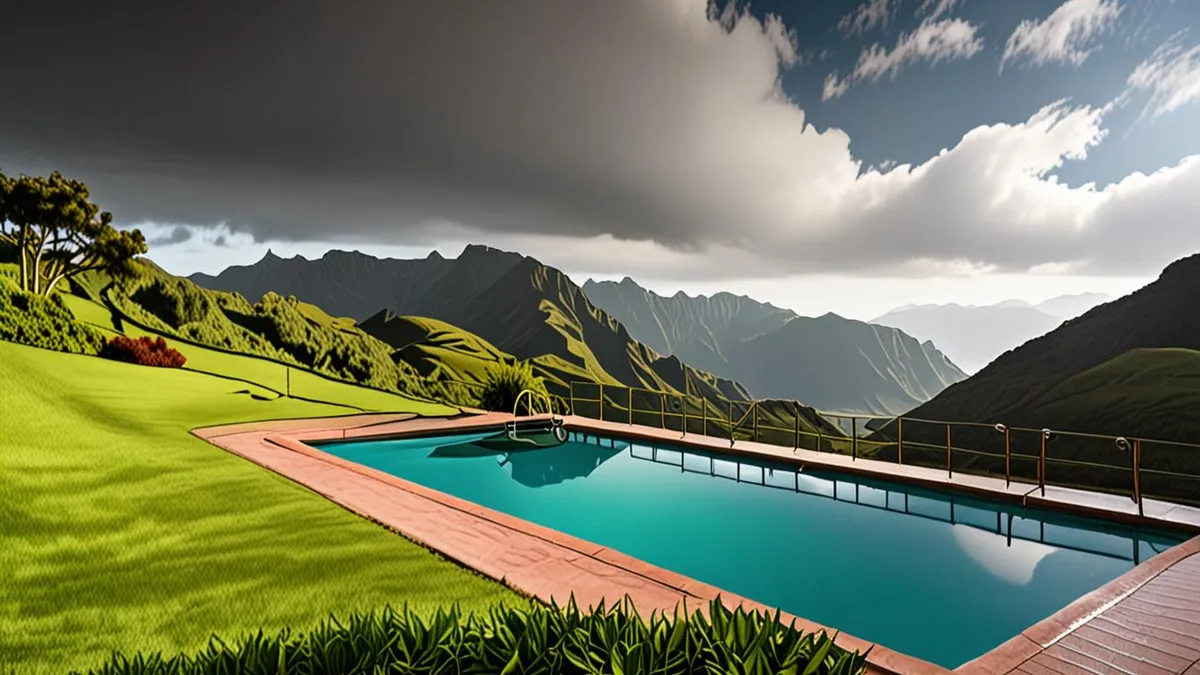
For travelers who prefer peaks to promenades, the highlands around Santana and the central plateau are the place to stay. Resorts here sit at 700-1,500 m elevation, surrounded by terraced hills, misty peaks and some of the island’s most famous levada trails. You trade beach access for waking up above the clouds, and many hikers consider that a fair trade.
What the highland climate means for packing
Mountain areas run typically 5-8°C cooler than the coast year-round, so even a summer stay calls for layers. Mornings can be cool and misty, afternoons warm up quickly, and evenings drop again. A light fleece, a waterproof jacket and proper walking shoes will earn their space in your bag.
Mountain resorts suit hikers who want early access to the trails around Pico do Arieiro, which sits about 20 km from Funchal, roughly a 35-minute drive. Staying nearby means you can start walking at sunrise, before the mist rolls in and before the parking areas fill up. The levada trails near these highland bases are at their best from April to June, when the water channels are flowing and the vegetation is at its greenest.
If you love alpine-style hiking holidays, the highlands of Madeira deliver a similar feeling of walking between ridgelines and cloud. For a comparison with another European mountain destination, see this guide to Austria Alps resorts for summer holidays, which covers a cooler but equally scenic highland experience.
When to Book Madeira Resorts
Timing matters on Madeira, and the difference between peak and shoulder season is easy to see in both price and atmosphere. For stays between June and September, reserve 3-4 months ahead. Summer rates typically reach €150-400 per night, and the rooms with the best ocean or hill views are the first to go.
April-May and October are the island’s shoulder months, and they reward flexible travelers. Rates drop to roughly €90-250 per night, crowds thin out noticeably, and booking 1-2 months ahead is usually enough to find good availability. The weather is generally mild, though you should still expect the occasional cloudy day on the north coast.
Why shoulder season suits hikers
Shoulder season also brings the best hiking conditions on Madeira’s famous levada trails, especially from April to June. The waterfalls are full, the flowers along the paths are in bloom, and temperatures are comfortable for walking rather than the stronger summer sun. If your trip is built around trail time rather than pool time, aim for these months and book a mountain-side base while rates are still low.
How to Choose Between a Coastal and Mountain Stay
Choosing between the coast and the highlands comes down to how you want to spend your days and evenings. If swimming, sea views and an evening stroll along a promenade matter most, pick a coastal resort. The south coast offers the calmest seas from May to October, and Funchal’s restaurants and waterfront are easy to reach on foot from many hotels, so you can leave the rental car parked all week.
If your plans revolve around daily hiking and you want cooler sleeping temperatures, head for the highlands instead. Nights in the mountains feel noticeably fresher than down by the shore, even at the height of summer, which makes a real difference for restful sleep and for longer walks where the sun can be intense.
For most first-time visitors, a split stay is the smartest option. Four or five coastal nights followed by two or three mountain nights covers both sides of the island without constant packing and unpacking, and the island’s compact size means the switch costs you little more than an hour on the road.
- Coastal base: gives you direct access to sea swimming and sunset views, and you can join boat trips or walk the Lido promenade after dinner without needing a car.
- Highland base: puts you minutes from levada trailheads, so you can start hiking early in the morning before clouds roll in and day-trippers arrive.
- Split stay: lets you swim and relax in the first half of the trip, then hike in cooler air afterward, with the island’s short driving distances making the switch simple.
What to Look for in a Madeira Resort
Not all Madeira resorts deliver the views they advertise, so it pays to check the details before booking. Rooms facing the ocean or the hills often carry a premium over standard categories, and some standard rooms look onto parking lots or neighboring buildings instead of the scenery you came for. Read room descriptions carefully, paying attention to words like “partial” or “side” view, and when in doubt, email the resort directly to confirm exactly what your category overlooks before you pay for an upgrade. If a sea-facing room is the whole reason you chose the coast, this one step protects your entire stay.
Transport is the second big factor, especially outside Funchal. Mountain areas such as Santana and the central highlands have limited public transport, so a resort with a shuttle or transfer service saves you the cost and hassle of renting a car or arranging taxis for every hike. Ask whether the shuttle runs on a fixed schedule or on request, since early trail starts need early departures.
Finally, think about comfort in changeable weather. Highland conditions can shift from sunshine to mist within an afternoon, and the right facilities make a rainy evening pleasant instead of frustrating. Look for these three features when comparing resorts:
- Balcony rooms: let you enjoy the mountain or ocean scenery even when you are not out walking, and they are ideal for morning coffee in the mist.
- Heated pool: makes swimming worthwhile in the cooler highland air, where outdoor water can feel chilly even on sunny days.
- On-site restaurant: means you can eat well after a day on the trails without driving winding roads back into town after dark.
Planning Your Madeira Resort Trip
Madeira makes the choice simple because you rarely have to settle for just one type of scenery. Resorts across the island deliver either Atlantic coastline or highland views, and the short distances mean both are reachable within a single trip, often within the same day.
The key is matching your area and season to your priorities. If swimming and sea views top your list, aim for the coast between May and October. If hiking is the main draw, the mountains shine from April to June, when the levada trails are at their best. Whatever you choose, booking 3-4 months ahead secures the best summer rates and the view rooms worth having. If this guide helped you plan your trip, leave a comment or share it with a fellow traveler.