You’ve picked your destination, rounded up your travel crew, and now you’re stuck on one decision: lodge vs glamping. One promises a solid roof, a proper kitchen and a warm shower after a long hike. The other promises falling asleep under canvas with the sound of wind in the trees just meters away. Both sound great, and that’s exactly the problem.
The good news is that this choice gets much easier once you compare the two on the things that actually matter. In this article, we’ll break down the core differences, compare comfort and facilities, look at what you really pay per night, and cover when each option works through the year. We’ll also touch on how far ahead you need to book, which type of trip each stay suits best, and finish with a clear bottom line. By the end, you’ll know exactly which one fits your group, your season and your budget.
Lodge vs Glamping: The Core Differences at a Glance
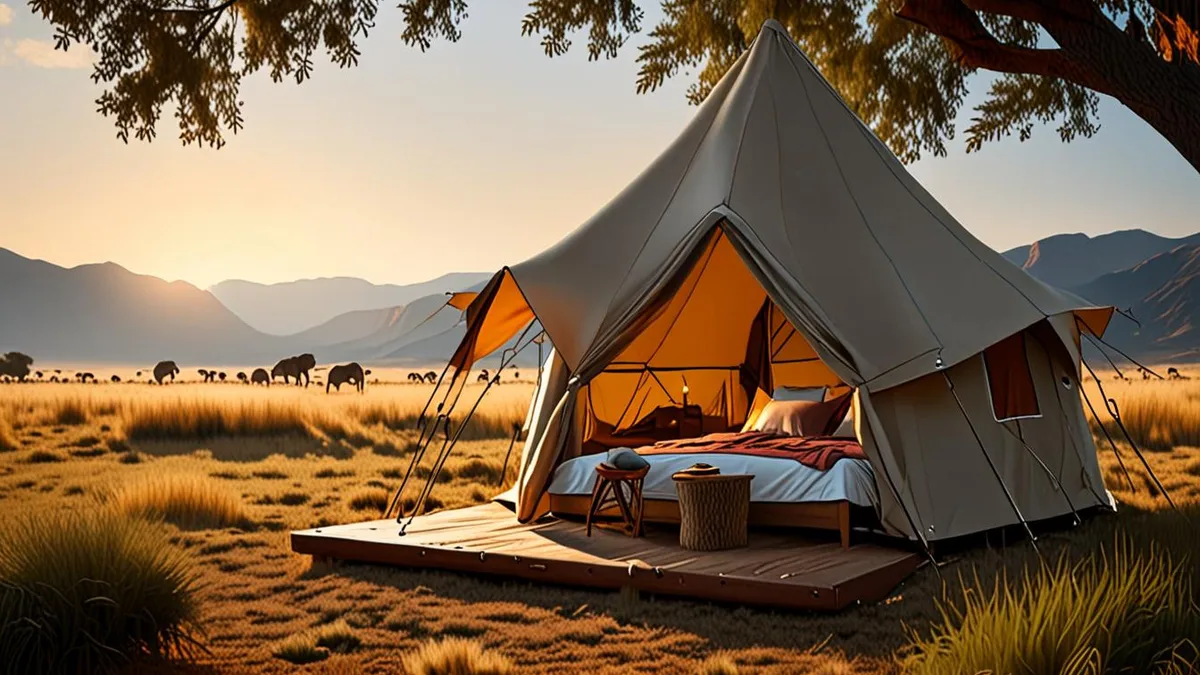
The most fundamental difference comes down to what you’re actually sleeping in. A lodge is a solid building with insulation, heating and a full bathroom, which means it works just as well in a January snowstorm as on a mild June evening. A glamping tent or dome is an upgraded version of camping: a real bed, decent furnishings and often a wood stove or heater, but still a fabric or canvas structure sitting directly in the landscape.
That structural difference drives almost everything else. Because glamping units are seasonal, most sites only operate during the warmer months, typically from May to September. Lodges, being permanent buildings, run year-round and are just as viable for a ski trip as for a summer hiking week.
How many people can you fit?
Capacity is where group planning really shifts. Lodges typically sleep 4-8 people, often across several bedrooms with shared living space. A standard glamping tent sleeps 2-4, so a group of six quickly turns into two or three separate tents, each booked and paid for individually. If you’re traveling as a family or a larger crew, that single difference can decide the debate before you even look at prices.
Comfort and Facilities Compared
Step inside a lodge and it feels like a holiday home: a full kitchen where you can cook dinner and store groceries, a private bathroom with a hot shower, and heating that keeps everyone comfortable no matter what the weather does. Wet boots and jackets dry overnight by the radiator or fireplace, which matters more than you’d think after a rainy day on the trail.
Glamping gives you a genuinely comfortable night: a real bed on a frame, proper bedding, and lighting so you’re not fumbling with headlamps. But beyond the tent door, things get more basic. Washrooms are usually shared or semi-open, a short walk across the site, and cooking options are often limited to a small grill or a communal kitchen corner.
If anyone in your group needs reliable warmth, hot showers or a fridge, a lodge is the safer pick. That includes young kids, older relatives, or anyone with a medical condition that doesn’t tolerate cold nights.
- Shared washrooms mean logistics: with one bathroom block serving the whole field, morning showers can involve a queue, especially on busy weekends.
- Food storage is limited: without a fridge in your unit, you’re shopping for a day at a time and relying on cool boxes in warm weather.
- Noise carries through canvas: rain on a tent roof, neighbors talking late, or early birds outside all feel much closer than they would through lodge walls.
Price: What You Actually Pay per Night
On the price board, lodges usually run 90-250 EUR per night, while a glamping tent typically costs 70-180 EUR. So yes, glamping wins on the sticker price, and for a couple traveling alone, that difference is real money over a week.
Why the numbers flip for groups
Divide the nightly rate by the number of people and the picture changes. Six friends sharing a lodge that sleeps 4-8 often pay less per head than they would booking two separate glamping tents, because the lodge price is split across everyone under one roof. Two tents at a mid-range rate add up fast, and you lose the shared living space that makes evenings together easy.
Glamping also looks cheaper upfront than it ends up being. Many sites charge separately for things a lodge simply includes: firewood for the fire pit, breakfast baskets, bedding packages or hire of cooking equipment. None of these are huge on their own, but three or four add-ons over a long weekend quietly narrow the gap between the two options.
The practical approach: get the full quote for both, including extras, before deciding. The cheapest headline rate is rarely the final bill.
Season and Weather: When Each Option Works
Weather is the single biggest factor that separates these two options. Glamping tents generally run from May to September, and outside that window availability collapses fast. Most sites simply pack up their tents, drain the water lines and close until spring. That means a late September trip can turn into a frantic lodge hunt if you leave booking to the last minute, especially in popular mountain areas where everything nearby fills up quickly.
Lodges, on the other hand, operate year-round. They have solid walls, insulation and proper heating, which makes them the realistic choice for ski season and for deep winter trips in the Alps or Scandinavia. If you want to watch the northern lights, warm up after a day on the slopes or spend a full week in the snow, a lodge is usually the only comfortable base. Frost-covered tents may look romantic in photos, but waking up to a frozen water bottle is a different story. For inspiration on the colder months, have a look at Sweden winter lodges for snow travelers.
Winter glamping does exist, but it is rare and worth planning around carefully:
- Heated dome tents are the main winter-ready glamping option, typically found in only a handful of destinations rather than across whole regions.
- Even where domes stay open, snow access can affect whether you can actually reach the site by car, so confirm the route before you book.
- Winter glamping dates sell out quickly precisely because supply is so small, so treat them like lodge bookings rather than casual summer tent reservations.
Booking Lead Times and Availability
Booking windows differ a lot between the two, and getting this wrong is the most common way travelers end up disappointed. For lodge stays in summer, reserve 2-4 months ahead. Ski weeks need even more lead time, since winter dates in popular alpine and Scandinavian areas are snapped up by returning guests who rebook the same week every year.
Glamping moves faster
Glamping sites are far more forgiving. Outside peak weekends, most operators need only 3-6 weeks of notice, and many keep a handful of tents free for walk-up style bookings. This makes glamping a good fit for spontaneous summer trips where you decide on a Thursday and travel the following week.
The pattern flips in high summer. Last-minute lodge availability in July and August is rare, especially for larger properties that sleep six or more, because families book those units first. Glamping fields, by contrast, often still have space in the same weeks, since they have more individual units to fill and shorter stays are the norm.
A practical approach: if your trip centers on a lodge, lock it in first and build the rest of the itinerary around it. If you are flexible and traveling as a couple in summer, you can often leave the glamping booking until a few weeks out.
Which Stay Suits Your Trip
The right choice comes down to who is traveling, when, and how much self-catering you want. A lodge is the practical pick for families with kids, winter trips, stays of a week or more, and anyone who genuinely needs to cook proper meals rather than survive on barbecue food and bakery runs. Solid walls and private bathrooms also make rainy afternoons and early bedtimes much easier with children, and there is somewhere warm to dry wet hiking gear overnight instead of draping it over a chair inside a tent.
Glamping suits couples and travelers on short summer breaks who want to feel closer to nature without giving up a real bed. Waking up under canvas, with the zipper as the only barrier between you and the birds, is the whole point of the experience. If your trip is two or three nights in June or September, a tent often delivers more atmosphere per euro than a lodge, and you spend less time planning because the site handles most of the setup for you.
Mixed groups can split the difference rather than argue over it:
- Use a lodge as the base for the whole stay, then book one night in a glamping tent mid-trip so everyone gets the canvas experience without committing the entire holiday to it.
- Families with teenagers can put the adults in a lodge room and the teens in a nearby tent on the same site, keeping everyone together but giving each generation its own space.
- If some travelers arrive late or leave early, a lodge handles staggered check-ins more easily than a tent site with fixed nightly capacity.
The Bottom Line
So which one fits your trip? A lodge wins on comfort, capacity and year-round availability, with stays usually running 90-250 EUR per night. A glamping tent wins on atmosphere and a lower entry price of 70-180 EUR per night, but it only works from May to September in most of Europe.
In practice, your group size, your travel dates and your need for a full kitchen and private bathroom decide the winner, not the trend factor. Six friends in a lodge usually beat two tents on both cost and comfort, while a couple in July may find the tent is the better story. If you are still torn, tell us which side you lean toward in the comments or share this article with your travel group.