Scroll through any booking site and you’ll see lodge vs cabin vs chalet used almost interchangeably. A “lodge” might turn out to be a single wooden hut, a “chalet” might sit nowhere near a mountain, and a “cabin” could be part of a full-service resort. That loose language makes it hard to know what you’re actually paying for until you arrive.
This guide clears up the confusion. We’ll break down what each term really means, from the size and service you can expect to the settings where each type makes sense. Then we’ll compare them side by side, look at how booking timing and prices differ, and help you match the right stay type to your trip. By the end, you’ll be able to read a listing and tell within seconds whether it fits your plans.
What the Term Lodge Actually Means
A lodge is usually a larger property or complex, often built around shared facilities. Think a restaurant on site, a spa or sauna area, maybe an activity desk where you can arrange boat trips, guided hikes or equipment rental. Some lodges are single buildings with a handful of rooms; others are sprawling complexes with dozens of units scattered across a large grounds.
What defines a lodge as much as its structure is its setting. Lodges lean hard into location: lakeside, deep in a forest, on a fjord shore, or high in mountain country. The name promises scenery and a sense of retreat, whether the building itself is a timber hall or a modern glass-and-steel design.
Service levels vary more than you’d expect
This is where lodges get tricky for bookers. Service can range from completely self-catering units, where you bring your own groceries and manage everything yourself, to fully staffed stays with meals included and daily housekeeping. Two listings using the same word can offer completely different experiences, so read the description carefully rather than relying on the label.
The European picture
In Europe, the word covers an enormous range. On one end you have hunting-lodge style retreats, rustic and traditional, sometimes with a long history. On the other, sleek modern resort buildings that use “lodge” purely for marketing appeal. Both are legitimate, but they suit very different trips. Before booking, check whether meals, facilities and activities are included, and confirm whether you’re getting a private unit or a room within a larger property.
What Makes a Cabin a Cabin
A cabin is a small, standalone wooden unit, typically sleeping 2 to 6 guests. It’s the most self-contained of the three stay types: one building, one group, no shared spaces with strangers. That privacy is a big part of the appeal, especially for couples and small families who want a quiet base without hotel traffic.
Self-catering is the norm
Most cabins are self-catering. Expect a simple kitchen with the basics, a living area, and bedrooms, but no on-site restaurant, spa or activity desk. If something goes wrong, you’ll usually contact the owner or a local manager rather than a front desk. Some cabins offer add-ons like firewood delivery or a hot tub, but these are extras, not standard service.
The classic settings are lakesides, forests and coastal spots rather than high-alpine terrain. A lakeside cabin in Finland, for example, is a summer tradition in its own right — you can see what that looks like in this guide to lakeside lodges for summer holidays in Finland. Coastal cabins work on the same logic: simple, close to nature, and geared toward outdoor days rather than in-house entertainment.
Rustic charm has trade-offs
Expect rustic charm over amenities. Wood-panelled walls, a wood stove and a sauna will often matter more than a big TV or fast Wi-Fi. That’s the point for most cabin bookers, but it pays to check the practical details. If you’re traveling outside high summer, look at heating and insulation specifically — older cabins can be cozy in July and chilly in October. Ask or read reviews about how warm the unit stays, whether heating is included, and how the wood stove works. A little checking up front makes the difference between a snug retreat and a cold night.
What Defines a Chalet
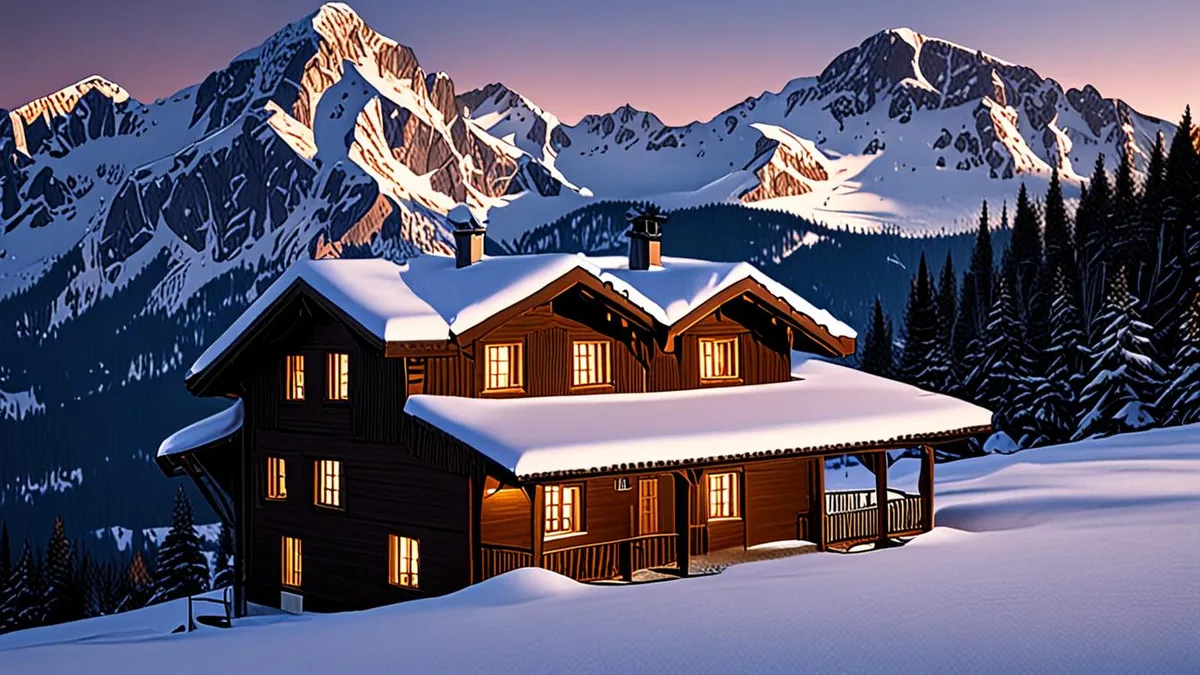
The chalet is Alpine in origin, and the original design still tells you what to look for: a timber build with a steep, overhanging roof made to shed heavy snow. That roof isn’t decorative — it’s engineered for mountain winters, and it’s the clearest visual clue that you’re looking at a genuine chalet rather than a house borrowing the name.
The catered chalet tradition
In the ski world, chalets often come catered. That typically means live-in or resident hosts, breakfast, afternoon tea, and set evening meals on several nights a week during peak season. It’s a social style of stay: you share the chalet with your own group or, in some cases, with other guests, and mealtimes become part of the experience. If that sounds appealing, our guide on how to choose a ski lodge in the Alps for winter trips covers what to weigh up before you commit.
The classic chalet season runs roughly December to April, tracking the snow. Demand peaks sharply over Christmas and New Year and again during February half-term, when families dominate the calendar. Outside those weeks, slopes are quieter and availability is easier to find.
When “chalet” means something else
Outside the Alps, the term gets borrowed freely. Any sloped-roof mountain home, from a suburban-style villa to an apartment block, may be listed as a chalet regardless of build or altitude. That’s not necessarily a problem, but it changes what you get. Check the photos for actual timber construction and a proper pitched roof, and check the location on a map rather than trusting the listing title. A “chalet” at the bottom of a valley next to a road is a very different stay from one on the piste. A few minutes of verification keeps your expectations and your booking in line.
Lodge vs Cabin vs Chalet: Side-by-Side Differences
The quickest way to tell these three apart is to look at three things at once: how many people the place sleeps, how much service comes with it, and where it sits on the map. None of the terms is a quality label — a basic cabin can be far more charming than a five-star lodge — but each word points to a fairly predictable combination of size, service and setting.
Size is the clearest divider. Cabins are the smallest of the three, usually built for couples or small families of 2-6 guests. Chalets are group accommodation by design, with most classic ski chalets arranged around shared living and dining space for 6-12 people. Lodges are the loosest category of all: they can be a single rental unit or an entire complex with dozens of rooms, a restaurant and other shared facilities.
Service follows a similar pattern, and it matters more than any photo when you compare listings. Here is how the three typically stack up:
- Cabins: almost always self-catering, so you bring your own food and handle your own cleaning; some owners leave a welcome basket or offer a mid-stay towel swap, but treat that as a bonus rather than the norm.
- Chalets: the only one of the three where catering is a core part of the product, especially in ski resorts — think a live-in host, cooked breakfasts and set evening meals on most nights, with a staff day off.
- Lodges: the middle ground; some operate like small hotels with staffed dining and an activity desk, while others are essentially private units on a shared property, so the listing should tell you which model applies.
Setting and season round out the picture. Cabins favor lakesides, forests and coastal spots, which makes them a natural fit for summer trips on the water. Chalets belong to high mountains, where their steep, snow-shedding roofs were engineered for winter — and where the ski season drives demand. Lodges are the most flexible on location and timing: lakeside lodges in much of Europe run their main season from May to September, while Nordic winter lodges peak from December to March for snow activities, and mountain lodges can work year-round depending on the region.
How Booking Timing and Prices Differ
Timing and pricing work differently for each of the three stay types, and getting this wrong is the most common booking mistake. The short version: winter chalets reward early planning, summer cabins and lodges are more forgiving, and the pricing models themselves differ in ways that affect your total bill.
When to book
Ski chalets for the December to April season are typically booked 3-6 months ahead for peak weeks. Christmas, New Year and February half-term sell out first, and by late autumn the remaining choice in popular resorts is often limited to awkward dates or less convenient properties. If your group is locked to school holidays, treat early booking as part of the budget.
Summer lakeside lodge and cabin stays, running roughly May to September in much of Europe, are more flexible. That said, July and August still fill early around popular lakes, so booking a couple of months ahead keeps your options open without the pressure of peak ski season.
How the pricing works
Price levels differ sharply by season. In mountain regions, summer lodge stays often cost 20-40% less than peak winter weeks, so if your priority is scenery rather than skiing, the off-season is where the value sits. Check current rates with the operator, since prices move year to year.
The pricing model also varies by stay type. Catered chalets usually price per person and often require a whole-group minimum booking — you may need to fill all the beds or pay for them. Cabins, by contrast, are almost always rented per night or per week for the whole unit, which can make them better value for small groups who don’t need catering.
Matching the Stay Type to Your Trip
The right choice depends less on the word in the listing and more on three honest questions: what season you’re traveling, how many people are going, and how much service you actually want. A couple who hates cooking will be miserable in a remote cabin; a group of eight crammed into a small wooden unit will be miserable for different reasons. Match the stay type to the trip and most of the risk disappears.
For a winter sports trip with a group, a catered chalet in the Alps is the classic answer for good reason: everyone gets meals, the boot room and ski logistics are handled, and the group shares one living space instead of scattering across hotel rooms. Given how early those peak weeks fill up, start your search as soon as you know your dates and confirm availability with the operator before you commit to flights. If you’d rather have staffed comfort than self-catering, a winter lodge is a strong alternative; our guide to Sweden winter lodges for snow travelers covers what to expect in that region.
For a quiet summer escape for two, a small lakeside or forest cabin during the May to September season is hard to beat: privacy, a kitchen for simple meals and a lower price than staffed properties. Book the height of summer early if a specific lake matters to you, since the most sought-after spots go first. For a mixed group that wants facilities and flexibility, a lodge with on-site dining or a spa splits the difference — some people book activities while others read by the fire, and nobody has to cook.
Whichever direction you lean, run through the details before paying:
- Sleeping arrangements: ask whether beds are proper doubles, bunks or sofa beds, and whether bedrooms are private or partitioned — many chalets and larger cabins squeeze extra guests into open-plan loft space.
- Catering style: confirm exactly which meals are included, how many nights per week the chef or host is on duty, and whether dietary needs can be accommodated.
- Exact location: listing terms are used loosely, so check the map pin rather than the title — a “chalet” may be a suburban house with a sloped roof, and a “lodge” may sit a long drive from the slopes or lake it advertises.
Choosing with Confidence
So what are you actually paying for when a listing says lodge, cabin or chalet? These words describe size, service and setting, not a quality ranking. A budget cabin can beat a pricey lodge, and a basic chalet can outshine a slick resort. The label tells you what shape the stay takes, nothing more.
Keep it simple: chalets are Alpine winter builds, cabins are small self-catering units for 2-6 guests, and lodges cover the widest range, from compact units to large complexes. Match the stay type to your season, group size and service expectations before you book, and the confusing labels stop mattering. If this helped clear things up, leave a comment or share the article with a fellow traveler.