You’ve booked the lodge, pictured the mountain views, and counted down the weeks. Then you arrive and realize nobody explained the unwritten rules: when it’s acceptable to show up, how loud is too loud, and what the host actually expects from you at checkout. This gap between booking and knowing is where most awkward lodge moments happen, and a little preparation with basic lodge stay etiquette saves you from clashing with hosts or neighbors before your first evening is over.
This guide walks you through the whole stay, from before you pay to the moment you hand back the keys. We’ll cover the booking questions worth asking (including deposits, which often run 30-50% at booking), how to time your arrival and communicate with your host, how to behave inside your accommodation, and how to share spaces and trails considerately with neighboring guests and local wildlife. We’ll also cover checkout habits that protect your deposit and a few final tips for wrapping up your stay well.
Booking Checks: Questions to Ask Before You Pay
Booking a lodge is not quite like booking a hotel room, and the differences show up in the payment terms. Before you commit, ask the host exactly how much deposit they require. Many lodges ask for a deposit of 30-50% at booking, with the balance due on arrival, but this varies, so get the numbers clear before you transfer any money.
Winter stays need extra questions. Firewood and heating costs are often metered or charged separately in winter lodges, which can surprise guests who assumed everything was included. If you are traveling between December and February, ask upfront how heating and electricity are billed so you can budget realistically.
Timing matters too. Standard check-in windows are 14:00-17:00, so make sure your flights, rental car pickup and driving route actually fit that window. If you cannot arrive before 17:00, raise it during booking rather than after you have paid.
Finally, get the cancellation terms in writing. Lodge policies are often stricter than hotel ones, and a friendly email confirmation is worth far more than a verbal promise when plans change. A short checklist of questions to send before paying:
- Deposit and balance: Confirm the exact percentage, the payment method accepted, and whether the balance is due on arrival or before it.
- Utility charges: Ask whether firewood, heating or electricity is metered separately, and roughly what a typical winter stay costs in extras.
- Arrival fit: State your likely arrival time and check it fits the 14:00-17:00 window before you book flights or ferries.
- Cancellation in writing: Request the cancellation policy, refund deadlines and any force majeure terms by email, not just on a listing page.
- Damage deposit: Ask how much is held, whether it is a pre-authorization or a transfer, and when it is released after checkout.
Timing Your Arrival and Communication with Hosts
Once your booking is confirmed, the single most helpful thing you can do is tell your host when you plan to arrive — and do it early. Aim to send your arrival time at least 48 hours ahead. Many lodges are in remote spots where the owner may live some distance away, and they need that lead time to arrange the handover of keys, whether that means meeting you in person, leaving a key in a lockbox or asking a neighbor to pop by.
Working with the check-in window
Most lodges operate a standard check-in window from 14:00 to 17:00, and planning to arrive within it makes everything easier for both sides. If your flight lands late or a long drive pushes you past that window, don’t simply show up at 21:00 and hope for the best. Agree on a late arrival in advance — hosts can usually accommodate it, but only if they know to expect you. A quick message with your updated route and estimated time is usually all it takes.
It also pays to reply promptly to any messages from your host in the days before arrival. Many lodges are family-run operations, and the same person may be managing several bookings, preparing cabins and answering questions all at once. A fast reply keeps their planning on track and often means faster answers for you too. If your plans change on the day — a delayed ferry, a closed road — send a message as soon as you know rather than when you’re already overdue. Hosts are generally understanding about delays, but nobody benefits from a guest who vanishes off the radar for three hours.
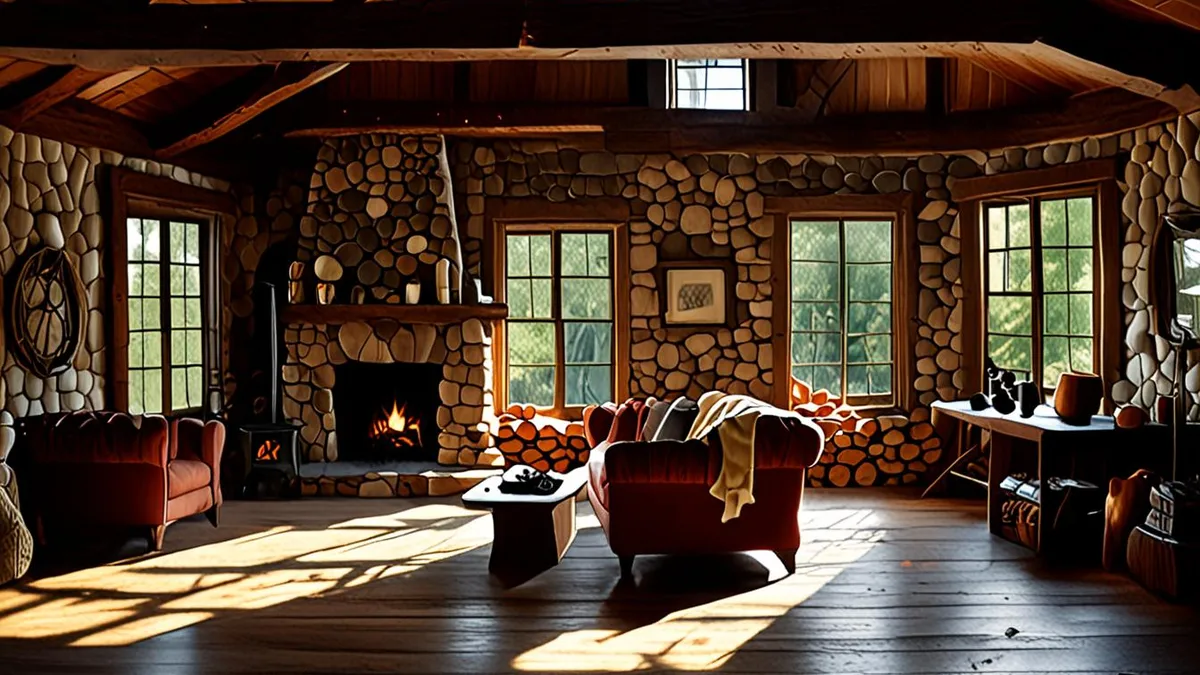
Lodge Stay Etiquette Inside Your Accommodation
Once you step inside your lodge, the mindset shifts from hotel guest to temporary homeowner. These buildings are often family properties that hosts care for personally, and small habits make a big difference. The most obvious one: leave outdoor boots at the door. Many lodges provide indoor slippers or expect socks or indoor shoes, and this matters even more during snowy months, when wet boots track slush and salt across wooden floors that are difficult to dry properly.
Sound is the other big adjustment. Lodge walls are typically timber, and noise travels far more easily than through the concrete walls of a hotel. Keep conversations, music and television volume low in the evening, and be mindful of doors closing and luggage moving around late at night. The standard quiet hours run from 22:00 to 07:00, but good etiquette means keeping noise reasonable outside those hours too, especially in smaller lodges with only a thin wall between rooms.
Heating and firewood deserve respect as well. Wood-burning stoves and saunas are often the heart of a lodge stay, but they come with real instructions. Burn only the wood provided, follow the host’s guidance on lighting and loading the stove, and use sauna equipment exactly as explained at check-in. Firewood and heating are frequently metered or charged separately in winter lodges, so wasteful burning can cost you money as well as goodwill.
Finally, honesty about damage goes a long way. A knocked-over glass, a scuffed table leg or a cracked mug is rarely a drama, but hosts discovering hidden breakages at checkout often assume the worst. A quick message with a photo usually resolves things calmly and keeps your deposit safe.
- Carry a small towel or mat for the entryway so wet or snowy boots have a designated spot rather than sitting directly on the floor.
- Ask your host at check-in how the stove air vents work, since every model differs and forcing a stuck damper can damage it.
- Shower before entering a shared sauna, and sit on a towel if that is the house custom, as sauna etiquette varies between regions and hosts.
- Photograph any pre-existing damage you notice within the first hour of arrival, so you can prove it was not you if questions arise later.
- Keep a note of anything you break, however minor, and mention it in one message rather than a stream of texts during your stay.
Shared Spaces and Neighboring Guests
Many lodges, especially the larger ones, have communal lounges, kitchens or dining areas that everyone shares. The golden rule here is simple: clean as you go. Wash your pots right after cooking, wipe down the counter and never leave a sink full of dishes for the next guest. In a self-catering kitchen, one messy cook can throw off everyone’s evening.
Communal fridges deserve special attention. Label your food clearly with your name and checkout date, and keep containers sealed. An unlabeled open pack of cheese is a source of endless confusion, while a labeled one tells everyone exactly what is off limits. Take only what is yours, even if something looks abandoned.
Quiet Evenings Outdoors
Terraces, fire pits and hot tubs are often the highlight of a lodge stay, and they are also where sound travels furthest. After 22:00, when quiet hours begin, keep conversation low and skip the portable speakers entirely. On a still evening, laughter and music carry across the whole property, straight into other guests’ open windows.
Hot tubs have their own etiquette: rinse off beforehand if asked, keep splashing to a minimum and leave the cover on properly when you finish so the water stays warm for the next users.
Finally, a word on sociability. A brief greeting in the hallway or on the trail is friendly and expected, but most people come to lodges for peace and solitude rather than new friendships. Read the room: if someone is reading by the fire with headphones on, a nod is enough. Being warm without being intrusive is the balance that makes shared lodges work for everyone.
Respecting the Surrounding Nature and Wildlife
A lodge sits in nature, and how you behave outside matters as much as how you behave indoors. The grounds around many lodges, especially forest and lakeside properties, are often private land belonging to the host or neighboring farms. Wandering off a path can mean crossing into someone’s property or disturbing sensitive ground, so stay on marked trails at all times. If you are unsure where the boundary lies, ask your host when you arrive; they will happily point out where you can walk, swim or fish. This is especially true at places like forest lodges in Albania, where cabins sit directly against wild woodland.
Wildlife is another area where good intentions cause real problems. Feeding animals, or leaving scraps outside your door, teaches them to approach cabins, which often ends with the animal being moved or destroyed and always ends with mess and noise for other guests.
Keep these rules in mind around the property:
- Store all food inside sealed containers or the lodge itself, since even a cool box on a terrace can attract foxes, rodents or bears depending on the region.
- Take rubbish to the designated bins rather than leaving bags outside overnight, when animals are most active.
- Keep barbecues and campfires only in designated fire spots, never on grass or near tree roots.
Fire safety deserves its own caution. During the summer season, typically June to September, dry conditions make open flames genuinely risky in many regions, and local rules on campfires and barbecues can change at short notice. Follow your host’s instructions and any posted signs strictly, and never leave a flame unattended. A single careless fire can threaten the forest that makes your stay special.
Checkout Habits That Protect Your Deposit
Checkout is where good stays are either remembered fondly or remembered with a deduction from the deposit. Self-catering lodges are handed back the way you would hand back a friend’s home, and hosts notice the difference immediately. Give yourself a 1-2 hour final clean before you leave, and work through it methodically.
- Wash, dry and put away every dish. Empty and wipe the dishwasher if there is one, and leave the sink clear. Hosts check the kitchen first.
- Sweep or vacuum the floors. You do not need a deep clean, but crumbs, pine needles and boot mud should go. Sweep outdoor terraces too if you used them.
- Sort the rubbish correctly. Many rural lodges have strict recycling or must haul waste a long distance, so follow the sorting instructions left in the lodge and bag everything properly.
- Strip or leave bedding as instructed. Practices differ between lodges, so follow the note from your host rather than guessing.
- Replace used firewood or log what you burned. In lodges where firewood is metered or charged separately, an accurate note avoids any disagreement later.
Timing matters just as much as cleanliness. Aim to vacate by the usual 10:00-11:00 checkout window, because your host often has only a few hours to turn the lodge around before the next guests arrive at 14:00. If you genuinely need a later departure, ask the day before rather than on the morning itself.
Before you hand back the keys in person, do one slow final walkthrough. Check every socket for chargers, every bathroom shelf for toiletries, wardrobe corners for clothing and under the beds for anything that rolled away. Confirm you have both the house keys and any gate or sauna keys. Handing the keys back face to face gives you a chance to mention anything that broke during your stay, and that honesty is what keeps your deposit safe and your host happy.
Wrapping Up Your Lodge Stay
Many travelers book a lodge for the peace and scenery, then arrive unsure of the unwritten rules and end up embarrassing themselves or clashing with hosts and neighbors. The good news is that good lodge stay etiquette comes down to three simple things: clear communication, quiet hours and respect for shared spaces. Get those right and most hosts will remember you as the guest they would happily welcome back.
The practical habits matter just as much. Booking checks before you pay, timely arrivals agreed with your host and a proper checkout keep deposits safe and hosts happy. Add in tidy behavior in shared lounges, care around wildlife and a final walkthrough before handing back the keys, and your lodge stay will be smoother for you, your hosts and your fellow guests. If this guide helped you plan your next trip, feel free to leave a comment or share the article with a fellow traveler.