Choosing where to stay often comes down to a question travelers rarely answer honestly: will a self-catering lodge kitchen actually save you money and hassle, or will you end up eating out anyway and paying for a kitchen you never use? The debate of lodge kitchens vs hotel dining trips up families, couples and groups alike, because the answer depends on more than just the nightly rate.
This guide compares the two setups across the things that matter in practice: what a lodge kitchen actually contains, what cooking versus eating out really costs, where hotel dining wins on convenience, and when a kitchen is clearly the better choice. We also look at the shopping and logistics that come with self-catering, how the right option shifts by trip type, and the bottom line for matching your accommodation to your travel style.
What a Lodge Kitchen Actually Gives You
A proper lodge kitchen gives you far more than the kettle-and-biscuits setup of a standard hotel room. Most full kitchens include a fridge, a hob, an oven or microwave, a kettle, a toaster and a basic set of pots, pans and utensils. That is enough to cook real dinners, prepare breakfasts and keep drinks and snacks cold for the whole stay.
The space matters as much as the equipment. You get a worktop for actual food preparation and usually a dining table where everyone can sit down together, something a hotel room with a single kettle and two mugs simply cannot offer.
Watch out for the word “kitchenette”
Not every listing means the same thing by kitchen. A “kitchenette” can mean just a sink, a microwave and a mini-fridge, with no hob or oven at all. Before booking, check the listing photos carefully and count the appliances. If the photos only show a counter with a kettle, assume you will be eating out regardless, and factor that into your budget and your choice between a lodge and a hotel.
The Real Cost Comparison: Cooking vs Eating Out
The numbers make the case for cooking more clearly than any argument. A family of four eating out twice daily in Western Europe spends roughly €80-150 per day on food, which adds up fast over a week. By contrast, a mid-week supermarket shop for four commonly costs €60-100 and covers several dinners and breakfasts. On a week-long trip, self-catering typically trims 30-50% off total food spend compared with eating every meal in hotel restaurants. That difference can easily cover an extra activity day or a nicer lodge in the first place.
Those savings only appear if you actually use the kitchen. If you book a lodge and then eat in restaurants every day anyway, you pay for accommodation priced around self-catering facilities while spending hotel-style amounts on food, and the gap narrows sharply. You also lose time driving back and forth to restaurants for meals you could have cooked in ten minutes. Decide your mix before you book, not after you arrive, and be honest about how often your group really wants to cook on holiday.
- Breakfast is the easiest win: cereal, eggs, bread and fruit cost a fraction of a hotel breakfast, and lodges rarely include breakfast in the room rate, so you are paying for it either way.
- Drinks and snacks add up: soft drinks, coffee and evening wine from a supermarket cost far less than bar or minibar prices, especially over a full week.
- Plan a few meals out on purpose: budgeting one or two restaurant nights keeps the trip enjoyable while protecting most of the savings.
Convenience and Flexibility: Where Hotel Dining Wins
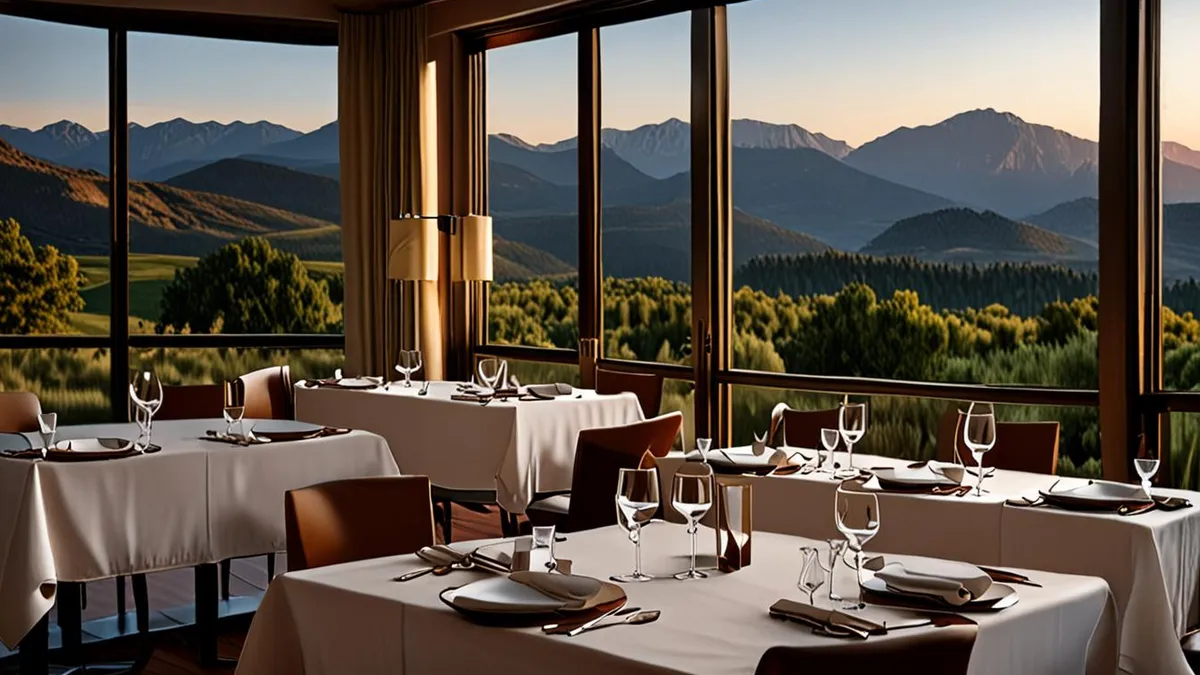
The strongest argument for hotel dining is simple: someone else does everything. No shopping trip, no cooking, no washing up, and no dragging ingredients home only to throw away what you did not use. On short 2-3 night stays, that convenience matters most, because the time you would spend on a supermarket run and meal prep can easily eat a meaningful chunk of a brief trip.
Dietary needs and allergies
Restaurants and hotel kitchens handle dietary requirements and allergies as part of the service. Chefs can talk you through ingredients, adapt dishes and flag risks, while self-catering puts all of that responsibility on you: reading labels in a foreign language, checking cross-contamination risks and planning every meal yourself. If anyone in your group has serious allergies, that alone can tip the balance toward a hotel.
After a hard day on the slopes or the trail
Hotel dining also suits ski and hiking trips, where a hot meal is ready exactly when you return exhausted. There is no stopping at a shop on the way back to the lodge or waiting for the oven to heat up while everyone is hungry and tired. If you are picking accommodation for a winter sports trip, it is worth weighing this against the cost savings, and our guide on how to choose a ski lodge in the Alps for winter trips covers the accommodation side of that decision. Note too that hotel meals run to fixed service windows, often 7:00-10:00 for breakfast and 18:00-21:00 for dinner, which suits some travelers better than others.
When a Lodge Kitchen Is the Better Choice
A lodge kitchen starts to pay off once your stay stretches past a few nights. On trips of five nights or more, the per-meal savings compound quickly, and cooking a few dinners stops feeling like a chore and starts feeling like routine. If you normally cook at home anyway, doing it in a well-equipped lodge kitchen is barely different from your everyday life, except with better views out the window.
Families with children often benefit the most. Kids rarely wait politely for hotel dinner service to open, and hungry toddlers at 17:30 have little patience for a restaurant kitchen that starts serving at 18:00. With a lodge kitchen, you control every meal time, which means calmer evenings and fewer expensive impulse snacks. If you are planning a trip with kids, it is worth browsing family-friendly lodge options in Spain to see how much a kitchen changes the rhythm of a holiday.
Remote locations tip the balance even further. Many rural lodges sit far from any town, and dinner options can shrink to a single on-site restaurant with a limited menu and fixed hours. If you are staying somewhere like that for a week, eating the same menu every night is neither cheap nor much fun.
- Early risers eat better: self-catering means breakfast the moment you wake up, not waiting for the dining room to open.
- Picky eaters are easier: you can prepare simple, familiar dishes for children instead of gambling on a children’s menu every night.
- Leftovers become lunches: a big pasta dinner easily turns into next day’s picnic, which is harder to arrange from a hotel room.
Shopping and Logistics Around Lodge Kitchens
The biggest mistake lodge guests make is assuming there will be food waiting for them. Many lodges in rural or mountain areas sit 20-40 minutes’ drive from the nearest full supermarket, so the drive to buy dinner can eat half an evening. The fix is simple: plan one big shop for your arrival day and stock up for several days at once.
Bring the basics with you
Lodge pantries are usually bare. You might find a few salt sachets left by previous guests, but do not count on it. Pack a small bag of staples from home: cooking oil, salt, pepper, coffee, tea and a couple of dried spices. A jar of pasta sauce and a box of spaghetti in your luggage can save you a 40-minute round trip on your first tired evening.
Time your shop carefully
Shop on the way in rather than after check-in. This matters especially for Sunday arrivals, when smaller stores in rural areas often close early or stay shut altogether. Check the opening hours of a supermarket near your route before you travel, and do your main shop while you still have daylight and energy. If you land late, even a small convenience store stop for breakfast supplies and coffee beats arriving at an empty kitchen at 22:00. A little planning here is the difference between a relaxed first night and a hungry scramble.
Choosing Between the Two by Trip Type
The right choice depends less on the property and more on the trip you are taking. A couple on a two-night city or coastal break will almost always get more value from hotel dining than from a kitchen they never use. Two people eating out twice a day for two days simply do not generate enough savings to justify shopping, cooking and washing up on a romantic escape.
Scale the trip up, and the math flips. Groups and families on week-long lodge trips save the most with a kitchen, especially when they plan a few restaurant meals as treats rather than defaults. Cooking breakfast and most dinners while eating out two or three times keeps the holiday special without the daily restaurant bill.
Adventure trips have their own logic. In the Alps or along the fjords, days start early and end late, and a lodge kitchen gives you the flexibility hotel service hours cannot match.
- Packed lunches for trail days: make sandwiches and fill flasks before you leave, since mountain huts and trailhead cafés charge a premium for basic food.
- Early starts without waiting: eat a proper breakfast at 06:30 if the cable car or ferry timetable demands it, instead of skipping hotel breakfast entirely.
- Post-activity recovery meals: a hot one-pot dinner ready 20 minutes after you get back beats waiting for a restaurant when you are soaked and exhausted.
- Base-camp convenience: choosing one of the Norwegian fjord lodges with the best views works best when you can self-cater, since many sit well away from dining options.
The Bottom Line on Lodge Kitchens vs Hotel Dining
So, does a lodge kitchen actually save money and hassle compared with hotel dining? On the evidence, yes on both counts: cooking some of your own meals can cut food spend by 30-50% compared with eating every meal in hotel restaurants, and a kitchen lets you eat when you like rather than when the restaurant opens. Hotel dining still wins where it counts on convenience, especially on short trips when shopping and washing up feel like chores rather than savings.
The deciding factors come down to stay length, group size and how far you are from shops and restaurants. Longer trips with families or groups favor a kitchen and a few planned meals out, while couples on quick breaks get better value from hotel restaurants. Match the setup to your trip type and you get the better value either way. Which do you pick? Tell us in the comments or share this article with your travel crew.