Arriving at a remote lodge with an empty fridge is a familiar sinking feeling. The kitchen is clean, the view is stunning, and the nearest supermarket is a half-hour drive away. If you forgot the coffee or misjudged how much food a week actually takes, your first holiday evening turns into a shopping trip instead of a relaxing one. That is why lodge groceries and shopping deserve a proper plan before you leave home.
This guide walks you through the whole process, step by step. You will learn why a planned shop matters, how to check the lodge kitchen before writing a list, and how to build a meal plan around your stay length. We also cover where and when to shop, a sensible shopping list for a typical week, and how to pack, store and reduce waste in a small fridge. By the end, you will know exactly what to buy, when to buy it and how to make it all fit.
Why Lodge Groceries and Shopping Need a Plan
Lodge breaks trade convenience for scenery. Many lodges sit in rural spots where the nearest supermarket is a 20-40 minute drive, so forgetting a single staple like milk or pasta can cost you an entire afternoon. That is time you booked the trip to spend walking, swimming or doing nothing at all. A forgotten item rarely stays forgotten, either — someone in the group notices within the first day.
Small kitchens punish overbuying
The second problem runs in the opposite direction. Lodge kitchens are usually compact, with limited cupboard space and a modest fridge, so a trolley loaded for a fortnight simply has nowhere to go. Overbuying leads to food going off in an overcrowded fridge or being left behind at the end of the week, which is both wasteful and annoying to pack around.
The money case for planning
There is also a budget argument. Buying meals ad hoc from village shops and convenience stores typically costs noticeably more per item than a single planned supermarket shop, and those small purchases add up fast over a week. A planned shop lets you buy sensible pack sizes, cook proper dinners and keep your holiday spending predictable. The rest of this guide shows how to get that plan right, from checking the kitchen to timing your shop.
Check the Lodge Kitchen Before You Shop
Before you write a single line of a shopping list, find out what the lodge kitchen actually offers. Operators vary widely: some stock starter basics, others leave you with empty cupboards and a kettle. A short set of questions now saves a frustrating first evening later, especially when the nearest supermarket is a long drive away and you arrive tired and hungry. Ask these questions when you book or a week or so before travel, and get the answers in writing so you can plan with confidence. If you want a deeper look at typical setups, this guide to what lodge kitchens include and how to cook on a lodge break is a useful companion.
- Ask the operator about provided basics. Confirm whether oil, salt, pepper, tea, coffee and cleaning supplies are supplied or absent. Some operators leave a small starter pack; others provide nothing, so you need every one of these on your list.
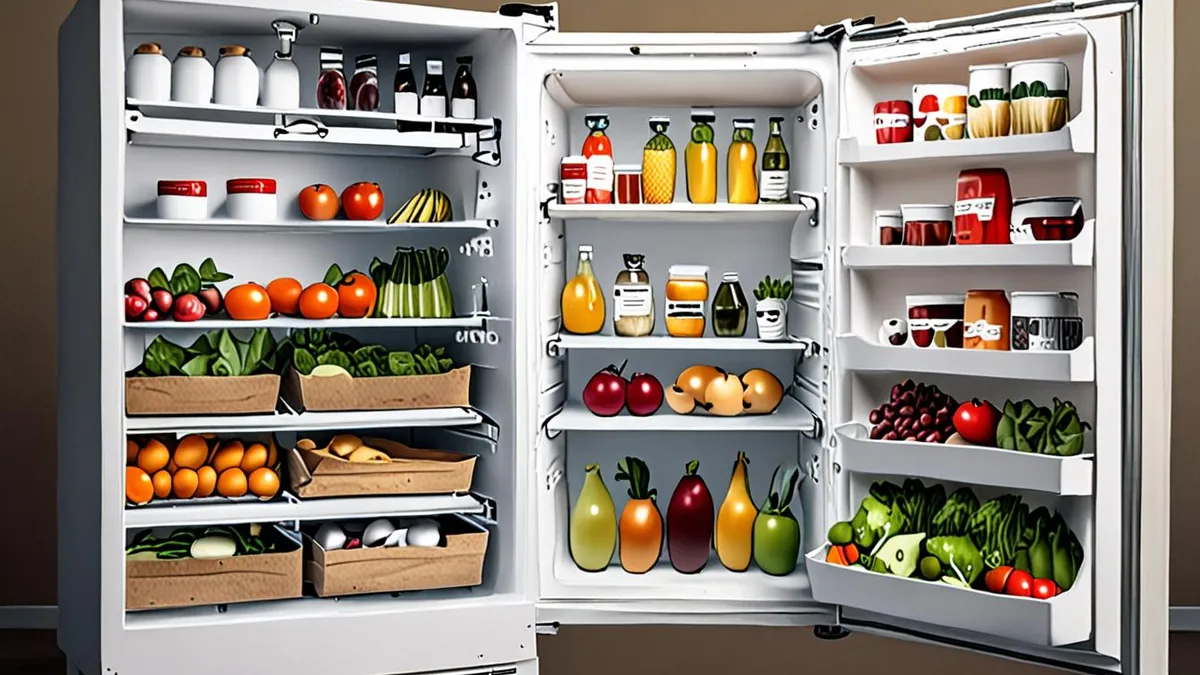
- Check the fridge and freezer. Most UK lodge kitchens have a fridge of roughly 100-150 liters, often with a small freezer compartment rather than a full freezer. Knowing this tells you how much fresh and frozen food you can realistically hold.
- Confirm the oven and hob type. Ask whether there is a full oven, a combi microwave or just a two-ring hob. This shapes which recipes are worth planning.
- Ask about cookware. Find out how many pans, baking trays and utensils are provided, and whether they look like basic starter items or decent equipment.
- Ask about cupboard and worktop space. Storage is often the tightest constraint, so match your pack sizes to the space available rather than buying family-size boxes.
Once you have these answers in writing, your shopping list almost writes itself. You will know whether to add oil and washing-up liquid, whether frozen meals are an option for the first couple of dinners, and whether that bulk pack of pasta has anywhere to live. You will also avoid doubling up on things the lodge already provides, which frees up both budget and cupboard space for the food you actually want to eat. Send the questions in one short email, keep the reply on your phone, and tick items off as you shop. Ten minutes of emails before you travel is the cheapest planning you will do all trip, and it makes the difference between a relaxed first evening and a scramble.
Build a Meal Plan Around Your Stay Length
A meal plan is where a good lodge food plan comes together. Start from your stay length: for a 7-night stay, plan around 5-6 cooked dinners and use leftovers for lunches the next day. That leaves room for an evening out or a takeaway without your plans collapsing. Work backwards from arrival day and think in terms of what you will realistically cook after a long drive, not what sounds ambitious on paper.
Recipes matter as much as quantities. Lodge cookware is usually limited, so favor meals that need one pan and minimal fuss.
- One-pot dinners: casseroles, curries, pasta bakes and stews need a single pan and suit a small hob, and they reheat well for lunch the next day.
- Griddle and pan meals: pancakes, bacon, burgers and stir-fries work on a basic two-ring hob where an oven-based recipe would leave you stuck.
- A midweek top-up: rather than buying all fresh food on day one, plan a small top-up shop partway through the week for salad, fruit, milk and bread so nothing sits in the fridge going soft.
Write the plan on your phone or a note on the fridge, with each dinner and its key ingredients listed. It keeps the whole group on the same page and stops the “what’s for dinner?” debate from eating your evening. It also tells you exactly what the midweek top-up needs to include, so that second shop takes ten minutes instead of a full trolley run.
Where and When to Shop
The timing of your shop matters just as much as what you buy. Get it wrong and you either spend the drive worrying about fresh meat wilting in the car, or you arrive at the lodge after a long journey only to find every local shop already shut for the evening. Neither is a great start to a week away. The good news is that a simple two-stage plan solves both problems, and it takes barely ten minutes to organize before you set off. The idea is to split your shopping into items that can wait and items that cannot, then match each stage to the point in your trip where it makes the most sense. Do that, and you arrive with a stocked kitchen, a calm mind and no frantic dash down dark country lanes looking for a shop that closed hours ago.
- Order a main delivery or shop 1-2 days before travel for dry goods. This covers pasta, rice, tins, spices, drinks and all the cupboard staples. Shopping a day or two ahead gives you time to notice anything you forgot while you can still fix it, whether that means a quick top-up trip or adding an item to a delivery slot.
- Buy fresh items on arrival day. Fruit, vegetables, milk, bread and chilled meat are best picked up the day you travel, so nothing sits at home spoiling. If you have ordered an online delivery, schedule it to arrive shortly before you leave or plan a quick supermarket stop that morning.
- Map supermarkets along your route. Check which stores sit on the road to the lodge so you can stop en route instead of driving 20-40 minutes back out from the lodge later. A store near a motorway junction or a market town you already pass through is ideal, and it turns the food shop into a natural rest break on a long drive.
- Know the local opening hours. Many rural village shops close by 6pm and run reduced hours on Sundays, so a late arrival can leave you with nothing for dinner. Arrive with essentials already bought and treat any village shop as a bonus, not a plan.
Once the timing is set, the rest falls into place: dry goods sorted and packed before you leave, fresh food handled on the day of travel, and a route that works with the shops rather than against them. You will start your holiday with full cupboards, a sensible fridge load and one less thing to think about.
What to Buy: A Sensible Lodge Shopping List
With the plan and timing sorted, the list itself is where the money is saved. Lodge cooking rewards long-life ingredients and punishes impulse buys that end up rotting in a small fridge. Shop deliberately, and keep the budget in mind: roughly £40-£60 per adult per week is a sensible baseline for self-catering groceries, trimmed down if you plan to eat one or two meals out at a pub or restaurant during the week. Write the list at home, before you set foot in a store, and stick to it.
- Long-life staples first. Pasta, rice, tinned tomatoes, beans, spices, UHT milk and coffee form the backbone of nearly every lodge dinner. UHT milk is especially handy because it needs no fridge space until opened. Buy these in the sizes you actually need rather than the largest pack on the shelf.
- Frozen items for the first dinners. If the lodge only has a small freezer compartment, frozen ready components like fish fillets, stir-fry vegetables or pastry-based meals can cover about 2-3 days of meals while your fresh food plan takes over. They also double as an emergency backup if a dinner gets abandoned for a long day out.
- Consumables the lodge may not stock. Washing-up liquid, bin liners, kitchen roll and foil are routinely missing from self-catering kitchens. A small bottle of washing-up liquid and a roll of bin liners weigh nothing and save a frustrating first evening.
Write the list against your meal plan rather than wandering the aisles. Every item should map to a dinner, a lunch or a cleaning job, and anything that fails that test can usually stay on the shelf. Group the list by supermarket section — dry goods, chilled, frozen, household — so one pass through the store covers everything without backtracking. If you are shopping online, the same grouping makes it faster to tick items off and spot anything you have missed before the delivery slot closes. Finally, keep the list on your phone so you can check it against cupboards when you arrive and confirm nothing was forgotten.
Packing, Storing and Reducing Waste
The drive to the lodge and the small kitchen waiting on arrival are where good shopping plans quietly fall apart. A bit of thought about packing and storage keeps food safe on a long journey and stops the fridge from becoming an unusable jumble by day three. It also means less gets thrown away at the end of the trip, which is better for your budget and for the next guests.
- Cool bag with ice packs for long drives. If your journey runs beyond a couple of hours, chilled and frozen items need proper insulation, especially in summer. Freeze ice packs at home the night before, pack the cool bag last, and keep it in the coolest part of the car, out of direct sunlight rather than in the boot where heat builds up.
- Decant bulky packaging at home. Take pasta, rice and cereal out of oversized boxes into sealable bags, and bring only the amounts of spices and condiments you actually need. Less packaging means more usable cupboard space in a compact lodge kitchen.
- Label leftovers clearly. A strip of masking tape with the date and contents on each container means cooked dinners actually get eaten for lunch the next day instead of being discovered as mystery items near the end of the week.
- Bring reusable containers for the trip home. Pack a few lidded boxes so unopened goods and leftovers can travel back with you rather than being binned at the lodge. It keeps the kitchen tidy and saves you money.
Ten minutes of packing discipline protects everything you planned and bought, and leaves the lodge kitchen in the state you would want to find it yourself.
Wrapping Up Your Lodge Food Plan
A good food plan starts before you leave home, not when you find yourself standing in a remote lodge kitchen with bare cupboards. The trick is to line up three things before you write a single item on your list: the kitchen facilities you’ll actually have, the length of your stay, and how far the nearest supermarket is. Once those are clear, you’ll know roughly how much to buy, what will fit in the fridge and cupboards, and when to shop.
For most week-long lodge breaks, the pattern is simple: one main shop before you travel, plus one small top-up midweek for fresh items. Shopping ahead also keeps your holiday budget predictable and your fridge manageable, instead of relying on expensive village shops or last-minute panic buys. If this guide helped you plan your own lodge groceries, leave a comment or share the article with a fellow traveler.