It is 23:40, your flight landed an hour late, and the taxi is finally pulling up to the hotel. The lobby lights look dim, the door is locked, and one thought runs through your head: did they give my room away? If you have ever worried about what happens when you check into a hotel long after dark, you are not alone. Late arrivals are one of the most common sources of travel stress, and most of that stress comes from not knowing how hotels actually handle them.
The good news is that a late arrival is usually far less dramatic than it feels from the back seat of a taxi. The answer depends on how your booking is guaranteed, what kind of property you chose, and whether you gave the hotel a heads-up. In this guide, we explain how late you can realistically arrive, what typical front desk hours look like, how to arrange a late check-in before you travel, what happens if you no-show, and which mistakes to avoid along the way.
How Late Can You Check Into a Hotel? The Short Answer
Here is the short version: if your booking is guaranteed with a credit card or already paid, most hotels will hold your room all night. That means walking in at 01:00 or even 02:00 is usually fine. The reservation is a promise on both sides, and once your card secures it, the hotel keeps that room empty for you until you show up, whenever that happens to be.
Without that guarantee, things work differently. Unclaimed rooms are often released if the guest has neither arrived nor called by late evening. The hotel is a business, and an empty bed that might not be paid for is a bed it can reasonably resell. If you booked on flexible terms and expect to arrive late, a quick call ahead of time is what protects your room.
The real limit is the front desk, not the room
Even when your room is safe, there is one more hurdle: getting inside the building. Many small hotels close reception at some point between 22:00 and 01:00, and if nobody is at the desk, there may be no one to hand you a key. So the practical answer to “how late can you check into a hotel?” is usually not about the room at all. It is about whether a human will be awake to let you in. That is why the property type matters so much, and why a short message before you travel solves almost every late-arrival problem.
Typical Check-In Hours and Front Desk Times
Standard check-in time at most hotels falls somewhere between 14:00 and 16:00. That is when rooms are cleaned, inspected and officially ready. But that opening time is not a closing time. Arriving at 20:00, 22:00 or later is completely normal in the hotel world, and front desk staff expect a steady stream of evening arrivals from flights, trains and long drives. In most cases, a late arrival is not a problem at all, just a later key handover.
Who staffs the desk, and until when?
The type of property makes the biggest difference. Large city hotels and airport hotels usually run a 24-hour reception, so a night porter or desk agent is there whether you arrive at 21:00 or 04:00. If your flight lands after midnight, these are the properties built for exactly that situation.
Small guesthouses, family-run hotels and many resorts work differently. The desk is often staffed only until around 22:00 or 23:00, after which the owner goes to bed and the front door may be locked. That does not mean you cannot stay; it means you need to arrange after-hours entry in advance.
There is also a growing middle option: self check-in. Apartments and boutique stays increasingly use key codes, smart locks or lockboxes, letting you collect a key at any hour without meeting anyone. For unpredictable arrival times, this can be the smoothest system of all, as long as you receive the code before you lose signal or battery.
How to Arrange a Late Arrival Before You Travel
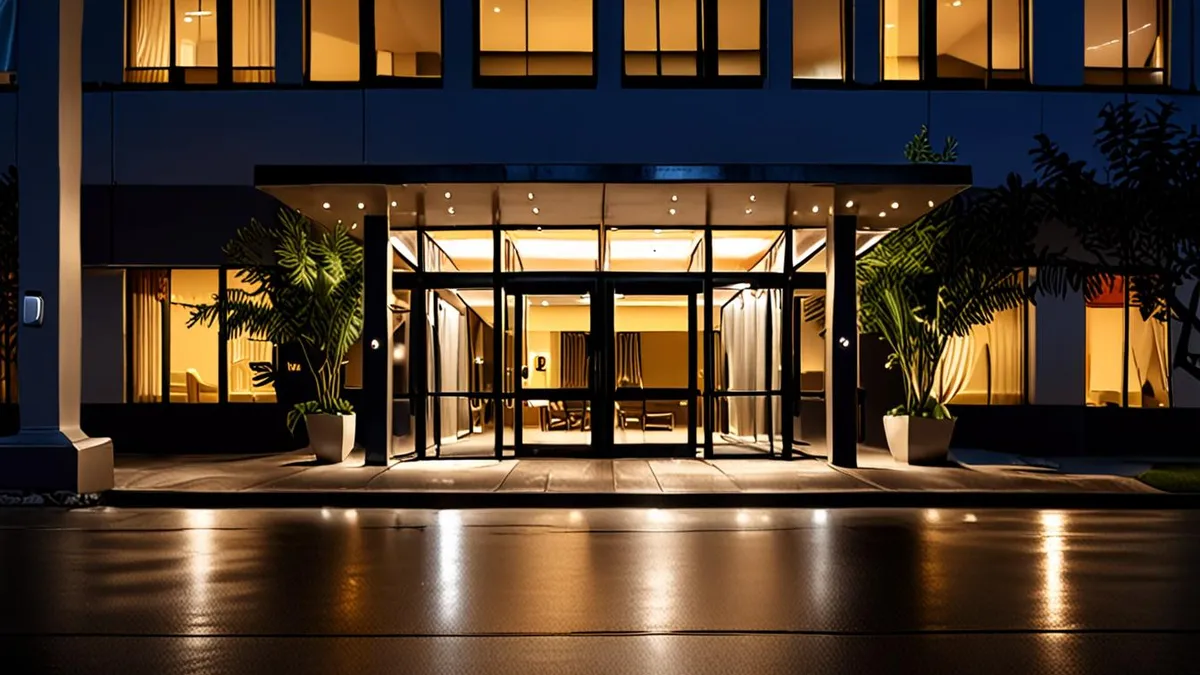
A late check-in rarely goes wrong because of the hotel; it goes wrong because nobody told the hotel what to expect. Most properties handle after-hours arrivals every week, and staff are generally happy to wait up, leave a key in a safe or arrange a night porter, as long as they know someone is actually coming. The problems start when a guest lands at midnight, finds a locked reception and no note on the door, and has no way to reach anyone. A few minutes of preparation before you travel removes nearly all of that risk. These four steps cover everything you need to do, from flagging your arrival time at booking to making sure you can still get inside if your phone dies on the way from the airport.
- Note your arrival time when booking. Many hotels ask guests to flag an arrival time when it falls after 18:00. If your flight lands in the evening, add an estimated arrival time to the booking notes field right away. This puts the hotel on notice from day one and often triggers them to confirm their after-hours arrangements.
- Send a short message a day ahead. One email or message the day before arrival is usually all it takes. Confirm your arrival window, mention your flight number if relevant, and ask directly whether reception will be open when you get there. Keep it brief; front desk staff read dozens of these.
- Ask exactly how you get the key. This is the step people skip, and it is the one that matters. Will a night porter be at the desk, do you get a key safe code, or should you call an after-hours number when you arrive? Knowing this in advance turns a locked front door into a minor detail.
- Save the details offline. Store the hotel’s phone number and your booking reference somewhere that works without mobile data, such as your phone’s notes or a printed copy. If you land with no signal or a dead battery, you will still be able to call from a payphone or airport desk.
Do these four things and your late arrival becomes a routine event for the hotel rather than a surprise. A one-line email costs almost nothing and protects a reservation you have already paid for, which matters even more if your booking is non-refundable. It also gives the hotel a fair chance to prepare: they can hold your key, leave instructions for the night porter or warn you if the restaurant will be closed when you arrive. If your plans change mid-trip, send an updated message rather than assuming the original note still covers you. And if you cannot reach anyone before traveling, choose a different property instead of gambling on a locked door. Small guesthouses and family-run places are often the least able to accommodate a guest who appears unannounced at midnight, so a little communication goes furthest with them. Handle this before departure, and checking in late is about as dramatic as collecting your luggage.
What Happens If You Arrive Very Late or No-Show
If your reservation is guaranteed with a credit card, the hotel is contractually holding that room for you all night. You can walk in at 03:00, wake up the night porter or find your key in a safe, and the room will still be yours. The charge goes to your card regardless of when you actually arrive, so there is no incentive for the hotel to resell the room.
The risk comes when you simply do not show up and do not communicate. A no-show without notice can mean the hotel cancels the booking and charges one night’s rate, even if the rest of your stay was prepaid. That single night charge is standard practice at many properties, because the room sat empty and could not be resold after the front desk gave up on you.
One call from the airport changes everything
If your flight is delayed, call or message the hotel from the airport, even if it is midnight. A quick note that you will arrive around 01:30 is usually enough to protect the reservation. Most front desks would rather keep a guest they know is coming than release the room and gamble on a walk-in.
Keep in mind that arriving very late affects the small things, not the booking itself. Breakfast is typically served in a fixed morning window, so a 03:00 arrival means less sleep before it ends. Your first night is also effectively shorter, since you are paying for a full night but using only a few hours of it. The booking, however, remains intact.
Choosing Hotels That Suit Late Arrivals
The property type you book matters as much as the price when your plane lands late. Some places are built for travelers rolling in at any hour, while others quietly expect everyone through the door by dinner time.
Airport hotels and large city chains are the safest picks for post-midnight landings. Their 24-hour reception desks exist precisely for delayed flights and red-eye arrivals, so a 02:00 check-in is an ordinary event for the night staff, not an exception.
Homestays and small guesthouses work differently. Often the host is a single person or a family, and they may not wait up if you have not told them when to expect you. Confirm arrival logistics before booking, not after your flight has landed.
Apartments with self check-in are a strong match for unpredictable arrival times. A key code or lockbox works at 19:00 or 03:00 with equal ease, which is why they suit travelers whose flights, delays or road trips make timing uncertain. Resorts with fixed reception hours are far less forgiving.
- Remote mountain lodges: many expect arrival by early evening because staff travel home or roads become difficult after dark, so ask about their latest arrival time before committing.
- Beach resorts: these often sit an hour or more from the airport, so a late landing plus the transfer can push you past reception hours even if the resort itself has a desk.
- First-night strategy: if your destination lodge expects you by early evening, booking a simple airport hotel for the first night and traveling the next morning is usually the smoother plan.
- Boutique city hotels: smaller than chains but often equipped with night porters or key safes, though you should verify this in advance rather than assume it.
Common Late Check-In Mistakes to Avoid
Most late check-in disasters are avoidable, and they usually trace back to one assumption the traveler never verified. Here are the mistakes that catch people most often.
The biggest one is assuming a non-refundable booking automatically holds the room without an arrival notice. Paying in advance secures your money, but it does not always tell the hotel when you are coming. Many properties still expect guests to mention a late arrival in the booking notes or by email, and if nobody knows to expect you, the key may be locked away with no one to hand it over.
The second trap is booking a remote guesthouse for a flight landing at 23:00 without asking about after-hours access. A countryside stay with no night staff and no key safe leaves you standing at a locked gate with a phone that has no signal. One question before booking solves this completely.
- Trusting email at night: relying on the hotel answering email at night instead of saving a phone number for the front desk often fails, because small properties rarely monitor inboxes after hours, so keep the reception number saved offline before you fly.
- Skipping the arrival note: leaving the estimated arrival field blank in your booking means the desk has no idea whether to expect you at 16:00 or 02:00, which can lead to your room being treated as unclaimed.
- Not asking how you get the key: travelers confirm a late arrival but forget to ask whether entry is via a night porter, a key safe code or an after-hours number, and then cannot get inside even though the hotel knew they were coming.
A few minutes of communication before travel removes nearly all of these risks. One message, one saved phone number and one confirmed key arrangement turn a stressful midnight arrival into a routine one.
Wrapping Up Late Hotel Arrivals
So what is the latest hour you can realistically arrive at your hotel? If your booking is guaranteed and paid by card, the room is yours all night, and walking in at 01:00 or 02:00 is usually no problem at all. The practical limit is not the room but the front desk, since many smaller properties close reception somewhere between 22:00 and 01:00.
That makes the fix simple: one short message about your arrival time before you travel removes almost all late-arrival risk, whether that is a note in the booking or a quick email. And when you are choosing where to stay, matching the property type to your arrival time matters as much as the price. A 24-hour city hotel suits a post-midnight landing far better than a small guesthouse with a part-time host. If this guide helped you plan a late arrival, leave a comment or share it with a fellow traveler.