You have probably stood in a hotel lobby, or scrolled a booking site late at night, and wondered what a “deluxe” room actually is. Is it bigger, quieter, better located, or just a standard room with a fancier name? Vague labels like superior, executive and junior suite make it hard to know whether the extra money buys anything you will actually notice.
This guide breaks down the most common hotel room categories, from standard and deluxe rooms to junior suites, connecting rooms and accessible rooms. You will learn what typically changes between categories, which upgrades are worth paying for and how to check the real details before you book. By the end, you will be able to compare hotel room categories with confidence and spend your budget where it makes a difference.
Why Hotel Room Categories Matter
Here is the first thing to understand: there is no global standard for hotel room categories. Each hotel, and sometimes each chain, decides for itself what “superior” or “deluxe” means. That is why a deluxe room at one property can be a genuinely spacious 35 m² with a sea view, while at another it is barely different from the cheapest room down the hall.
The good news is that the price differences between categories usually come down to four factors. Once you know them, you can quickly work out what you are actually paying for.
The four factors behind most price jumps
- Room size: the most reliable difference between categories, usually listed in square meters.
- View: garden, pool, city or sea views often carry a premium, especially at resorts.
- Floor level: higher floors tend to be quieter and offer better outlooks.
- Bed configuration: a king bed, a sofa bed or an extra sleeping space can push a room into a higher category.
Knowing typical size ranges is your best defense against vague labels. If a hotel’s “deluxe” room measures the same as its standard room and only differs by a fresh coat of paint, you know the upgrade is mostly marketing. A quick comparison of the listed square meters across categories tells you more than the category name ever will.
Standard, Superior and Deluxe Rooms Compared
Standard rooms are the entry level in almost every hotel. They typically measure 18–30 m², with a straightforward layout: a bed or two, a small desk or chair, a bathroom and often no particular view. For many travelers, especially on short city breaks, this is all you need.
Superior rooms sit one step up. The difference is rarely dramatic. Instead of a bigger room, you usually get a better position in the hotel, a higher floor or a slightly more efficient layout. Think of it as a standard room with a few frictions removed.
Deluxe rooms typically measure 30–40 m² and start to feel noticeably more comfortable. Along with the extra space, you can expect some combination of the following:
- A genuine view, such as overlooking the sea, pool or a city landmark rather than a car park or inner courtyard.
- A larger bed, often a proper king instead of a queen or two pushed-together singles.
- An upgraded bathroom, sometimes with a bathtub as well as a shower or double basins.
- Extra seating, such as an armchair or small sofa, which makes longer stays far more pleasant.
The catch is price. Moving from standard to deluxe commonly adds 15–30% to the nightly rate. That premium is easiest to justify on longer stays or special occasions, when you will actually use the extra space and comfort. For a one-night stopover where you barely unpack, the standard room usually wins on value.
Junior Suites and Full Suites Explained
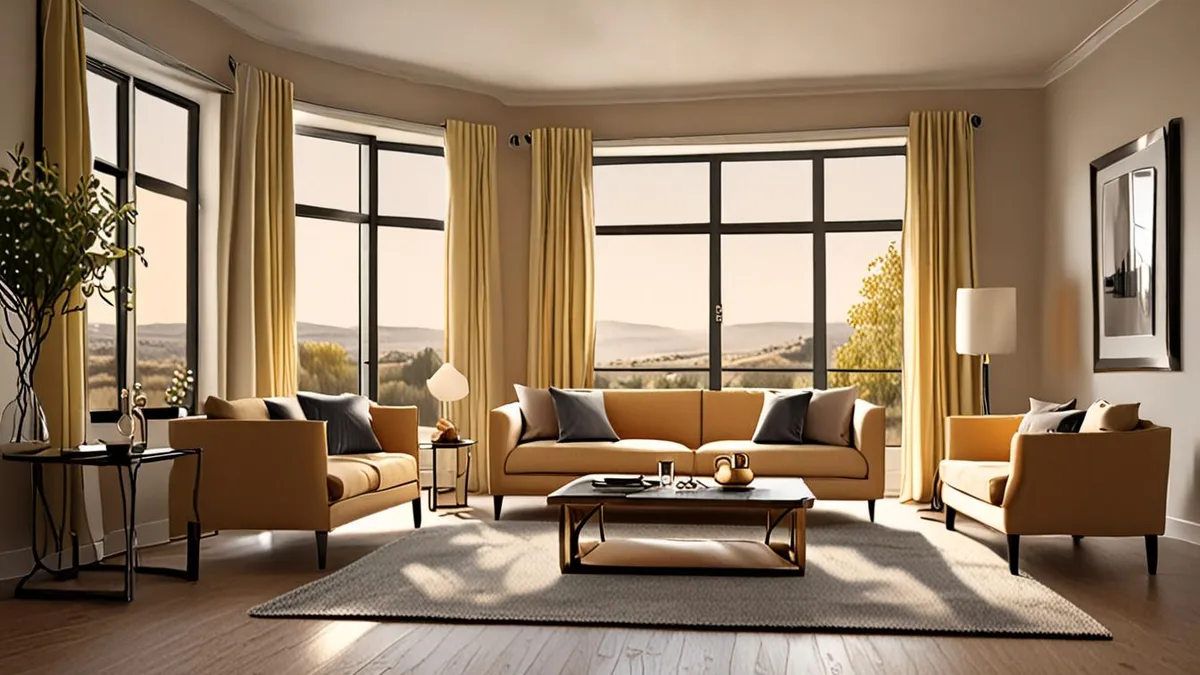
A junior suite is the halfway point between a large room and a true suite. Junior suites usually span 40–55 m² and combine the sleeping and sitting areas in one open space. There may be a sofa, an armchair and a coffee table at one end of the room, but no full wall separates them from the bed.
This open layout matters more than you might think. If you want to read in the evening while your partner sleeps, or you simply like room to spread out, a junior suite delivers that without the premium of a full suite. It is a particularly good match for trips where in-room comfort is the point rather than an afterthought, such as a romantic getaway. If that sounds like your kind of trip, browsing ideas for romantic hotels in Slovenia for couples is a good place to see what junior suites look like in practice.
What makes a full suite different
A true suite has a separate bedroom and living room, divided by a real wall and often a door. Full suites often start around 55 m², and in luxury hotels they can exceed 100 m², with dining areas, guest bathrooms and sometimes multiple bedrooms. That separation gives you genuine privacy, which matters when traveling with friends, family or colleagues.
The price reflects all this. Junior suites typically cost 30–60% more than standard rooms, and full suites climb higher still. For a honeymoon, an anniversary or a long stay where you will spend real hours in the room, that money is often well spent. For a quick trip where the room is just a place to sleep, it rarely is.
Specialty Room Types: Connecting, Family and Accessible Rooms
Once you move past the basic room ladder, hotels start offering room types designed around who is staying, not just how much space they get. These specialty categories can save families real money or make a stay possible for guests with specific needs, but they work differently from each other, so it helps to know the differences before you book.
Connecting rooms are two complete, separate rooms that share an internal door. Each room has its own bathroom and entrance from the corridor, which makes them ideal for families with older children or teenagers who want a bit of privacy. Because you are essentially paying for two rooms, they usually cost more than a family room, but the extra space and privacy can be worth it.
Family rooms squeeze everyone into one space, typically sleeping four or more guests. They often use bunk beds, a sofa bed or a combination of a double bed plus additional beds, and they usually come in at a lower total cost than booking two separate rooms. Accessible rooms, meanwhile, are designed for guests with reduced mobility, and availability is often limited, so planning ahead matters.
- Connecting rooms: the internal door can usually be locked from either side, so both parties keep control of their own space during the day and night.
- Family rooms: some hotels cap the number of guests per family room, so count everyone, including small children, before you book.
- Accessible rooms: beyond roll-in showers and lower fixtures, features like grab bars and lowered light switches vary widely between hotels, so ask for a detailed list of what the room includes.
- Booking tip: accessible rooms in particular should be requested directly with the hotel by phone or email, not just noted in a booking form, to make sure the request is actually confirmed.
When a Room Upgrade Is Worth the Money
So when does paying more for a bigger or better room actually make sense? The short answer: it depends mostly on how long you are staying and how much time you will actually spend inside the room.
Upgrades pay off most for stays of three nights or more. The longer you are in the room, the more a better view, a larger bed and extra space add to your daily comfort, and the nightly premium feels smaller spread across the whole trip. Honeymoons and romantic getaways are another classic case, where the room itself is part of the experience rather than just a place to sleep.
Work trips are a third strong candidate. If you spend daytime hours working in the room, a junior suite with a separate sitting area gives you space for a desk, calls and breaks without living on the bed.
When a standard room is the smarter choice
For short city breaks of one or two nights spent mostly sightseeing, a standard room usually offers the best value. If you are out of the room from breakfast until late evening, you are paying for square meters you barely use. That money is often better spent on a good dinner or an extra activity than on a deluxe label you will hardly notice.
How to improve your chances of an upgrade
Booking 2–4 months ahead improves the chance of a free or discounted upgrade, since you can often request one at reservation time when availability is still open. Asking politely at check-in also works more often than people expect, especially when the hotel is not full. Upper-floor and corner rooms are the most common targets, as they are usually the quietest and away from elevators, so mention that preference specifically rather than just asking for “an upgrade”.
How to Check What a Hotel Room Category Really Includes
Category names are set by each hotel, so the label on the booking page tells you far less than the details underneath it. Before you commit, spend a few minutes verifying what you are actually paying for. Here is a simple process that works for any hotel, whether you are booking a city studio or a beachfront suite.
- Check the listed square meters. The room description usually states the size, and this is the most reliable way to compare categories. If a “deluxe” is listed at a size that matches a standard room, you know the name is doing the selling, not the space. Sizes are often given in square meters on international booking sites, so it helps to know roughly what those figures mean in practice.
- Read recent guest reviews that mention the specific category. Reviewers often write things like “we booked the deluxe and it felt small”, which is exactly the information you need. Hotel photo galleries tend to show only the best and largest rooms, so reviews give you a more honest picture. Sort reviews by the most recent ones first, since rooms are often refurbished and older comments may no longer apply.
- Message the hotel before booking. A short email or message asking to confirm the bed size, the view and the floor level removes any remaining doubt. This is also the moment to request a quiet room away from the elevators, since upper floors and corner rooms are usually the quietest. Ask the hotel to note your request on the reservation.
Taking ten minutes to run through these steps turns a vague category name into a concrete picture of the room. It also creates a written record of what you were promised, which makes it much easier to sort things out at check-in if something does not match. If the answers you receive are vague or evasive, treat that as useful information too and consider booking elsewhere.
Choosing the Right Room Category with Confidence
Hotel room labels like deluxe, superior and junior suite can feel like a guessing game, but the differences come down to three things: size, view and layout. Standard rooms typically run 18–30 m², deluxe rooms 30–40 m², junior suites 40–55 m², and at the top of the scale, true suites can stretch well past 100 m². Once you know those rough ranges, a vague category name stops being confusing.
Match the category to your trip length and purpose and the extra cost starts to make sense. A standard room is often plenty for a short city break, while longer stays or special occasions can justify the jump to a deluxe room or suite. Checking the listed square meters and recent guest reviews before booking removes most of the guesswork from those vague labels. If this guide helped you decode your next booking, leave a comment or share it with a fellow traveler.