A first resort holiday should be simple, yet most first-timers make the same mistake: they stuff a suitcase with things the resort already provides, then arrive without the one item they actually needed. It happens because you have no idea what waits in your room until you check in. Towels, toiletries, a hairdryer, sometimes even slippers and a kettle are often already there, and nobody tells you in advance.
This guide fixes that. We start with what your resort typically supplies so you can stop packing duplicates, then move through the genuine essentials, from swimsuits to layers for mountain evenings. You will also learn what to leave at home, how to adjust your bag for summer in the Alps or a winter ski week, and which documents and booking details to sort before you travel. Finally, we cover how to pick the right resort for your first stay, and wrap up with a short checklist so your first resort holiday needs little more than a small bag and an open schedule.
What Your Resort Already Provides
Before you pack a single bag, find out what your room already includes. In most resorts, towels for the room are standard, and many properties also supply separate towels for the pool or spa, so you rarely need to bring your own. Toiletries and a hairdryer are part of the standard setup almost everywhere, which means full-size shampoo bottles and bulky dryers can stay home. That alone frees up a surprising amount of suitcase space.
Central and Southeast European resorts often go a step further. Kettles, safes and basic slippers are common room features, so your tea habit and your valuables are usually covered without extra packing. Some properties add extras like bathrobes or a small fridge, but this varies widely, so it pays to check rather than guess.
Check the amenities list before you pack
Almost every resort publishes a room amenities list on its website, and it takes two minutes to read. Look for the basics first: towels, hairdryer, toiletries, safe, kettle. If the list mentions pool towels or slippers, cross those off your packing list too. If something is unclear, a quick email to the resort settles it before you travel.
Doing this check is the single easiest way to avoid overpacking. You will still want your own toothbrush, medications and personal items, of course, but everything the resort confirms it provides can be skipped. One note: even when pool towels are supplied, many resorts expect you to bring your own flip-flops, so keep those on your list.
First Resort Holiday Packing Essentials
Once the duplicates are gone, you can focus on the items that genuinely make a resort stay easier. The goal is a small, versatile bag rather than a stuffed one. Most European resort stays run 5-7 nights, so packing for roughly one week covers nearly every trip, and a few smart choices matter more than quantity.
The most important rule is simple: bring two swimsuit sets. Swimwear dries overnight, so two sets are enough for a week-long stay, and you will always have a dry one ready for the pool or spa. Add flip-flops for walking between the room, pool and sauna, since most resorts expect them in wet areas. For mountain stays, think in layers rather than one heavy jacket. If you are considering an Alpine summer, it helps to read up on Austria Alps resorts for summer holidays before deciding what goes in the bag, because mountain weather shapes your packing more than anything else.
Beyond clothing, a few small items earn their space every time:
- Reusable water bottle: refill it at the room or breakfast buffet instead of buying bottles, and it doubles as your excursion companion on hikes or bike rides.
- High-SPF sunscreen: mountain sun and poolside reflection burn faster than you expect, and resort shops charge a premium for it, so bring your own from home.
- Light daypack: a foldable backpack holds towels, sunscreen and a water bottle for day trips, then packs flat in your suitcase for the journey home.
Days in the mountains can swing from 25°C to below 10°C in the evening between June and September, so a t-shirt, a warm mid-layer and a light jacket work better than any single outfit. With these essentials covered, you are equipped for pools, spas and excursions without overpacking.
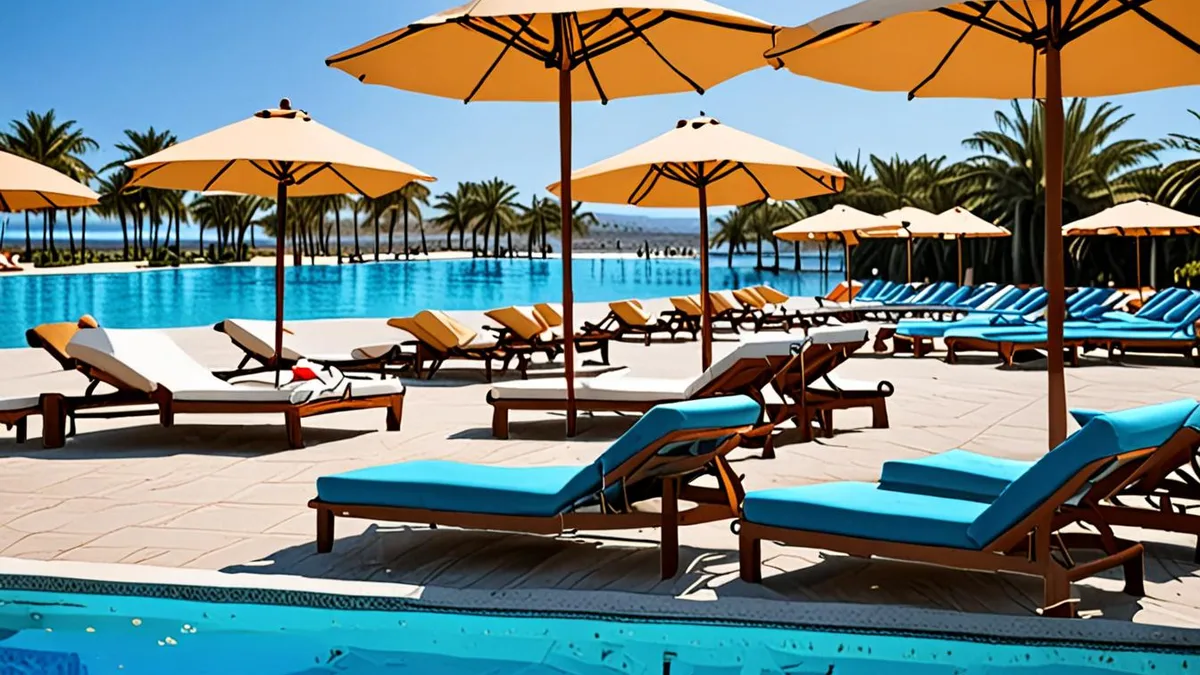
What to Skip in Your Suitcase
Knowing what to leave behind is just as valuable as knowing what to bring. Every kilogram you skip makes the trip easier, and the good news is that the heaviest, bulkiest items on most first-timer lists are exactly the ones resorts already supply. Towels, toiletries and a hairdryer top that list, and skipping them saves both space and airport weight.
Beach towels are the classic mistake. Resorts that provide pool towels usually expect a separate towel for beach use as well, and bringing your own means carrying a damp, sandy roll home. Full-size toiletries are another trap: a week-long stay needs a fraction of a standard bottle, so decant into travel sizes or rely on the room’s supply. Shoes are the third space-eater, and two pairs genuinely cover a resort week.
- Beach and pool towels: even where you bring your own beach towel, pool towels are normally supplied, and packing both doubles your linen load for no benefit.
- A third or fourth pair of shoes: one comfortable pair for walking and one for the pool or spa cover every situation, and each extra pair adds bulk you will regret at check-in.
- Formal outfits and heels: most family and nature resorts keep dress codes casual, so a smart-casual shirt or dress covers any nicer dinner without a dedicated suit or gown.
If you are unsure about a specific property, a quick look at recent guest reviews or the resort’s own pages will tell you whether dress codes or towel policies differ. For the majority of stays, though, skipping these items leaves room for the things you will actually use: swimsuits, layers and a good book for the lounger.
Packing for the Season and Destination
Summer in the mountains
Summer trips to the Alps and the Balkans are warmer than many first-timers expect, but the weather can turn quickly. Days between June and September often reach the mid-20s°C, while afternoon thunderstorms are common in mountain areas. Pack high-SPF sunscreen, a hat and sunglasses for the terrace and pool, then add a light rain jacket you can fold into your daypack. A thin fleece for the evening rounds out the kit without taking much space.
Winter on the slopes
Ski resort stays from December to March (or April at higher altitudes) demand a different approach. Thermal base layers worn under ski pants make a huge difference to comfort, and a second set lets one dry overnight after a wet day. Goggles protect your eyes from wind and flat light, while waterproof gloves matter more than stylish thin ones. Bring proper socks too, since thin city socks lead to cold feet in ski boots.
Shoulder and late-season trips need their own logic. Lake and island resorts in Croatia and Serbia stay pleasantly warm into September, so swimming remains a real option until late in the season. If you are considering a coastal stay, our guide to Croatia coast resorts for beach holidays covers what to expect. Pack swimwear and sun protection as you would in July, but add a light layer for cooler evenings by the water.
Documents, Money and Booking Details
Paperwork is the least glamorous part of a resort holiday, yet it causes the most avoidable stress. Before you leave home, print or save your booking confirmation, including your check-in time, and keep it accessible on your phone in case reception asks for it. Some smaller properties have limited front desk hours, so knowing your arrival window helps you plan the journey and avoids standing in an empty lobby.
Timing matters just as much. The best rooms and rates go early, especially for family rooms and weeks around major holidays. As a rule of thumb, book 2-3 months ahead for summer resorts and 4-6 months for peak ski weeks to get better rates and real choice in room types. Last-minute deals exist, but they are unpredictable and rarely apply to the room categories first-timers actually want.
Money is the third piece of the puzzle. Cards are widely accepted at larger resorts, but tips, local taxis and small family-run properties are a different story. Carry a small amount of local currency for tips and small resorts that don’t take cards, and split it between your wallet and your daypack. A few practical items to sort before departure:
- Travel insurance details: save the policy number and emergency contact offline, since mountain and rural resorts can have patchy mobile coverage.
- Deposit and payment method: many resorts pre-authorize a card at check-in for extras like spa treatments or minibar use, so use a card with enough headroom.
- ID requirements: if you are traveling with children, bring their documents too, as some European borders and hotels check them even within visa-free zones.
- Local currency notes in small denominations: large bills are hard to split when tipping porters or paying for a coffee in a village café.
Choosing the Right Resort for Your First Stay
Match the resort to your travel style
Your first resort holiday will feel very different depending on where you book. Family resorts with pools and kids’ facilities suit first-timers who want everything on site: meals, entertainment and activities within a short walk of your room. If your idea of a good week is barely unpacking the daypack, this is the comfortable choice, and it makes packing simpler since you can rely on resort amenities instead of planning outings.
Nature and lake resorts work best if you plan day trips rather than resort-only downtime. These properties tend to be quieter and closer to trailheads, national parks or waterfronts, but they often have fewer on-site restaurants and services. Before booking, sketch out two or three excursions you actually want to do, then check driving times and whether the resort offers packed lunches or shuttle access. If your plans are thin, a remote location can start to feel isolating after a couple of days.
Use reviews as a reality check
Photos flatter every property, so read recent guest reviews before committing. Focus on three practical themes: room size, since family rooms vary widely from the advertised maximum occupancy; food variety, especially if you are staying a full week on a half-board plan; and shuttle access, which matters if you arrive by plane or train and don’t plan to rent a car. Reviews from the last few months tell you more about current management and renovation work than older ones. A resort that matches your plans, rather than the prettiest one, is what turns a first stay into an easy, repeatable habit.
Ready for a Stress-Free First Resort Stay
Most first-time resort guests overpack because they don’t know what the resort already provides, and then still arrive missing the things that actually matter. The fix is simple: trust the towels, toiletries and hairdryer that are already waiting in your room, and spend the saved suitcase space on two swimsuits, so one is always dry, plus a few layers for cooler evenings. That combination covers nearly every situation a week-long stay can throw at you.
Match your bag to the season and destination, whether that’s sun protection and a rain layer for summer trips or thermal base layers for ski weeks, and sort your documents and booking details early rather than at the airport. Book ahead when you can, since summer stays reward planning two to three months out and peak ski weeks even more. Once you’ve picked a resort that fits the way you like to travel, all that’s really left to do is pack light and enjoy the break. If this helped you pack, leave a comment or share the article with a friend planning their first stay.