Hungary has hundreds of thermal spa hotels, and that abundance is exactly what makes choosing one so tricky. With over 1,000 recorded thermal springs across the country, wellness travelers face a genuine dilemma: which spa hotel in Hungary fits their budget, their season, and the kind of trip they actually want? A midweek winter escape and a summer family break are two very different bookings, and the right hotel for one can be wrong for the other.
This guide walks you through the decision step by step. We’ll look at why Hungary tops so many wellness shortlists, how to pick between the main regions, and which season matches your goals. You’ll also learn how rates and minimum stays typically work, what to check about facilities and treatments before you book, and when to reserve for the best value. A quick summary at the end pulls it all together, so you can book with confidence.
Why Hungary Is a Top Wellness Destination
Hungary sits on one of Europe’s richest thermal water reserves, with over 1,000 recorded thermal springs scattered across the country. This natural abundance is the reason spa hotels here can fill their pools with genuine mineral-rich thermal water, rather than heated tap water. For wellness travelers, that means real therapeutic bathing is often just an elevator ride from your hotel room.
The bathing tradition runs deep, too. Thermal bathing culture in Hungary dates back to Roman times and was expanded significantly during the Ottoman era, when Turkish bathhouses were built over natural springs. Many spa hotels today reflect this layered history: you can soak in a centuries-old historic bath in the morning and swim laps in a sleek modern wellness wing in the afternoon. Few countries combine that mix of old and new so naturally.
What It Means for Your Wallet
Wellness stays in Hungary are typically gentler on the budget than in neighboring Austria or Switzerland. Comparable full-service spa hotels in those countries often charge noticeably more for the same facilities. In Hungary, midweek nights at wellness hotels start from around €80, which makes longer stays far more realistic. If you have ever priced a week of thermal bathing in the Alps and winced, Hungary is where that same trip becomes affordable.
That value, combined with the sheer number of springs, is why Hungary keeps drawing repeat wellness visitors. The main clusters of spa hotels sit around Budapest, Lake Balaton and Hévíz, so you have plenty of choice wherever you base yourself.
Pick the Right Region for Your Spa Hotel in Hungary
Hungary is compact enough that you can base your whole wellness trip around one region, and each area offers a noticeably different experience. Budapest works best when you want sightseeing and soaking in the same day: several thermal hotels sit within walking distance of the Danube, and the city’s historic bathhouses are often just a short stroll from your hotel lobby. You can spend the morning in a museum and the afternoon in a thermal pool without ever needing a car.
Lake Balaton, roughly 90 minutes from Budapest, shifts the balance toward the outdoors. Wellness hotels here line the shore, and in summer you can pair morning treatments with afternoons on the water, cycling the lake path, or exploring vineyards on the northern hills. Hévíz, about 2 hours from the capital, is built entirely around its thermal lake, the largest biologically active one in Europe, where water temperatures of 22-38°C make bathing possible year-round. Many hotels there sit close enough to the lake that you can walk to the water in a bathing robe.
If crowds and prices matter more than nightlife, consider Hungary’s smaller spa towns. Zalakarós and Bük both have dedicated wellness hotels that cater to guests staying a week or longer, and the atmosphere is noticeably calmer than in Budapest.
- Budapest: ideal for first-time visitors who want walkable access to both thermal hotels and the city’s historic bathhouses, plus restaurants and evening entertainment on the doorstep.
- Lake Balaton: best for summer trips where wellness is one part of a broader lakeside holiday, with swimming, sailing, and wine villages nearby.
- Hévíz: the strongest choice for therapeutic bathing, since the lake’s year-round warmth supports long, doctor-recommended soaks in every season.
- Zalakarós and Bük: quieter alternatives where hotels often target longer wellness stays, making them a good match if you want multiple treatments over several days.
Match the Season to Your Wellness Goals
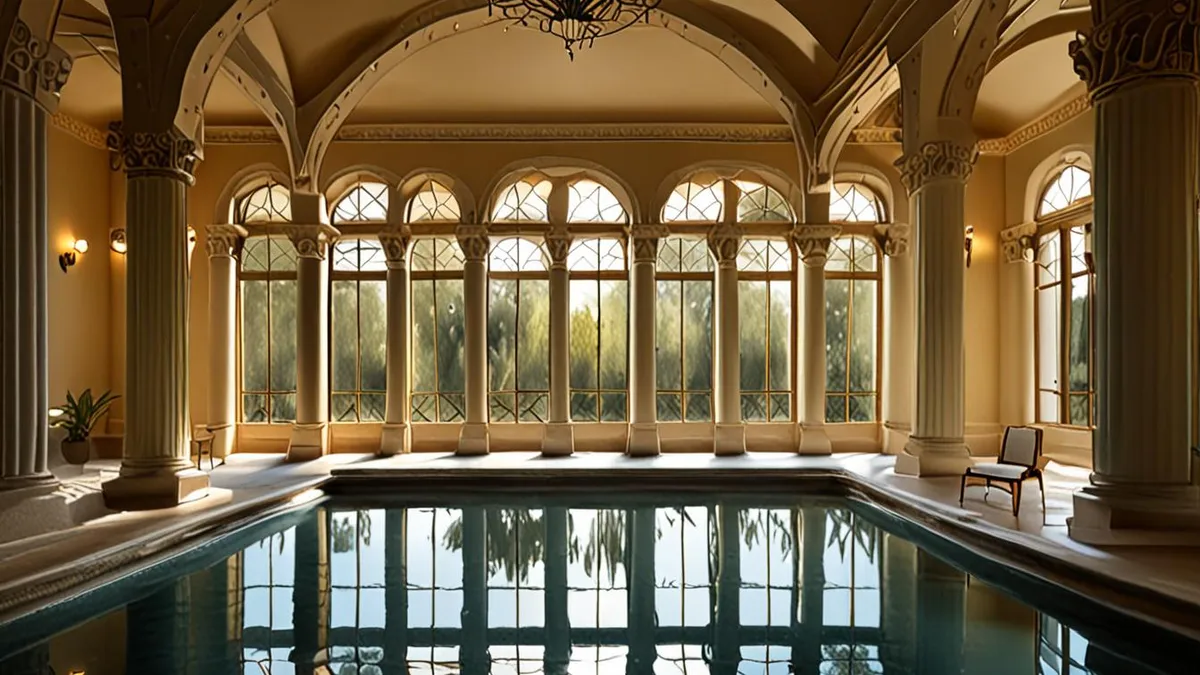
One of the biggest advantages of a spa hotel in Hungary is that the thermal experience never closes for winter. Indoor thermal pools operate year-round, so a January stay can mean long, unhurried soaks in steaming baths, followed by a sauna session and a quiet afternoon in the wellness wing. If your goal is pure relaxation rather than sunshine, the colder months are arguably the most rewarding time to go.
Outdoor pools are a different story. They typically open April to October, so if you want to float outside with a view, aim for late spring or early autumn. These shoulder-season windows are also ideal for combining spa time with sightseeing, since the weather is usually pleasant enough for day trips without the peak-season crowds.
When the pools are busiest
Summer weeks and the Christmas period draw the biggest crowds, and hotel rates climb accordingly. If you have flexibility, midweek dates in winter are the calmest and often the cheapest, with quieter pools and more space in the sauna area. Booking a Tuesday-to-Thursday stay lets you enjoy the full wellness facilities at a slower pace, and you can still add an outdoor dip if you travel within the April-to-October window.
Compare Room Rates and Stay Minimums
Wellness hotel pricing in Hungary is refreshingly transparent once you know the rhythm. Midweek nights at a full-service spa hotel typically start around €80 per person, while the same room on a weekend in high season can easily climb past €200. That gap is one of the biggest in European wellness travel, so your arrival day matters almost as much as your hotel choice.
Before you compare rates, check the fine print on length of stay. Most Hungarian spa hotels enforce a minimum 2-night stay on weekends and holidays, which means a Friday-to-Sunday booking is usually the baseline. If you can only manage one night, aim for midweek dates or call the hotel directly to ask about exceptions.
Also look beyond the room rate itself. Hungarian wellness hotels are known for packages that bundle extras into the price, and these often work out cheaper than booking a bare room and adding services as you go.
- Half-board packages usually include breakfast and dinner, which helps in smaller spa towns where restaurant options near the hotel can be limited in the evening.
- Treatment credits bundled into a package are often priced lower than the same massage or mud wrap booked individually at the hotel desk.
- Stays of 3 nights or more frequently unlock discounted package rates, so adding one extra midweek night can cost less per night than a standard 2-night weekend booking.
- Shoulder-season midweek deals sometimes include extras like late checkout or a welcome drink, so read the package description carefully before assuming the cheapest rate is the best value.
Check Facilities and Treatment Quality Before Booking
Not every Hungarian hotel with the word “spa” in its name delivers the same experience. The best wellness hotels separate their facilities into distinct zones: thermal pools fed by local springs, and a quieter wellness area with saunas, steam rooms and relaxation rooms. When you browse hotel websites, look for photos and floor plans showing both, because a single mixed pool hall rarely gives you the calm atmosphere most wellness travelers want.
Pool temperatures deserve special attention. Thermal pools in Hungary vary widely, from comfortably warm to genuinely hot, and some hotels label only the hottest ones clearly. If you plan long soaking sessions, check how many pools the hotel has and at what approximate temperatures, so you are not stuck rotating between one hot pool and a regular swimming pool.
Treatments and language
Hungary has a strong tradition of medical wellness, and many spa hotels offer supervised treatments such as physiotherapy, mud packs and medical massage alongside standard beauty services. Before booking, verify whether these treatments are supervised by qualified staff and whether you can book them in English. Some smaller hotels describe their full treatment menu only in Hungarian, which makes advance booking confusing for foreign guests. A quick email to the hotel before you pay usually settles the question.
Quiet zones and pool hours
If an adults-only atmosphere matters to you, check two details before committing: the pool opening hours and the hotel’s policy on children in the thermal area. Some hotels restrict the thermal and wellness zones to adults or set quiet hours, while others welcome families throughout. Pool hours also vary more than you might expect, with some wellness wings closing in the early evening, so confirm the schedule if you like a late-night soak.
Book at the Right Time and Get There Easily
Timing your booking well can save you real money in Hungary. For summer holidays and the Christmas period, when Hungarian wellness hotels fill with both international guests and local families, reserve 2-3 months ahead. Midweek winter stays are a different story: 1-2 weeks of lead time is often enough, and you will frequently find good availability and lower rates at short notice. If your dates are flexible, shifting your arrival from a Friday to a Sunday or Monday can also bring the price down noticeably.
Getting there is straightforward. Budapest is the main arrival hub for international travelers, with the airport, train stations and rental car companies all in one city. From there, rental cars or trains reach Lake Balaton in about 90 minutes and Hévíz in about 2 hours, so you can land in the morning and be soaking in a thermal pool by late afternoon.
- Train travel to Balaton is a practical option in summer, with direct services from Budapest to lakeside towns, letting you skip parking fees at busy lakeside hotels.
- Rental cars make more sense for Hévíz and smaller spa towns like Zalakarós, where public transport connections may involve changes and add time to the roughly 2-hour journey.
- Midweek arrivals let you sidestep the weekend minimum-stay rule that most spa hotels apply, and they typically unlock the lowest nightly rates of the week.
- Checking cancellation terms before paying matters in winter, when weather-related plans change more often, so favor flexible rates even if they cost slightly more.
Your Spa Hotel in Hungary at a Glance
With hundreds of thermal spa hotels to choose from, picking the right one in Hungary comes down to three decisions. First, choose your region: Budapest for city spas within walking distance of historic bathhouses, Lake Balaton for summer wellness with lakeside activities, or Hévíz for year-round bathing in Europe’s largest biologically active thermal lake.
Second, time your trip for midweek dates outside peak season. That gets you the best rates and the quietest pools. Third, book 2-3 months ahead for summer and Christmas periods, and confirm facilities and treatment options in English before you pay. Get these three things right and the rest of your wellness trip tends to fall into place. If this guide helped you plan your stay, leave a comment or share it with a fellow traveler.