Tenerife is bigger and more varied than most first-time visitors expect, and that variety creates a real problem: with dozens of coastal and rural zones to choose from, it is hard to know which part of the island actually suits your villa holiday. The resort-heavy south, the greener north and the quiet inland hills each deliver a completely different experience, and the villa stock differs just as much.
This guide breaks the island down into the areas that matter most when you want to rent a villa in Tenerife. We compare Costa Adeje and the southwest, the lively hubs of Los Cristianos and Las Américas, the traditional north around Puerto de la Cruz and the Orotava Valley, and the rural zones with volcano views. We also look at what villas typically cost, when to book, and how to match the right area to your priorities, whether that is beach convenience, nightlife, culture or pure quiet.
Costa Adeje and the Southwest: Beachfront Convenience
If your idea of a villa holiday means stepping out the door and reaching a beach, a restaurant or a supermarket within a few minutes on foot, the southwest coast is your zone. Costa Adeje and the surrounding stretch of shoreline have been built around tourism, so everything from beach clubs to pharmacies sits within easy walking distance of most rental properties.
What the villas are like
Expect modern, well-equipped properties, most with private pools, sun terraces and outdoor dining areas. The trade-off for this convenience is space: plots here tend to be compact, and neighboring villas are often close enough that you can hear conversation next door. If total privacy is your priority, other parts of the island do it better.
This is also the most expensive villa market on the island. Properties here typically sit at the upper end of the €1,200-€3,500 weekly range, especially for anything with a private pool within walking distance of the beach.
Easy airport transfers
Tenerife South Airport is roughly 20-30 minutes away by car, which makes a real difference on short trips. You can land at lunchtime and be unpacked by mid-afternoon, with no long transfer eating into your stay.
Los Cristianos and Las Américas: Lively Resort Living
Los Cristianos and Playa de las Américas are the island’s liveliest resort towns, and they suit groups and families who want everything on the doorstep: bars and restaurants that stay open late, dive and surf schools, boat trips, and a full calendar of water sports. You can spend the morning paddleboarding and be at a beachfront table for dinner without touching a car.
The beaches here are man-made and sheltered, with imported sand and calm, shallow water that makes them ideal for swimming with children. The trade-off is that villas are scarcer than in other parts of the island, as most accommodation is apartment-based. For summer dates, book 3-6 months ahead to secure the handful of good villa options. If your search extends beyond Tenerife, the same logic applies elsewhere in Europe, as our guide to the best areas to rent a villa in Portugal shows.
Before you commit to a property, think about exactly where it sits:
- Villas on the hillsides above the towns often come with better ocean views than beachside properties, since they sit higher up the slope.
- Properties near the marina in Los Cristianos put you closest to boat departures for dolphin and whale watching trips off the southwest coast.
- Streets a few back from the seafront promenade usually mean a shorter walk to restaurants without the late-night foot traffic passing your gate.
The main advice if noise is a concern: choose villas set back from the main strips. The resort centers stay lively well past midnight, and a property on a quiet side street gives you the best of both worlds.
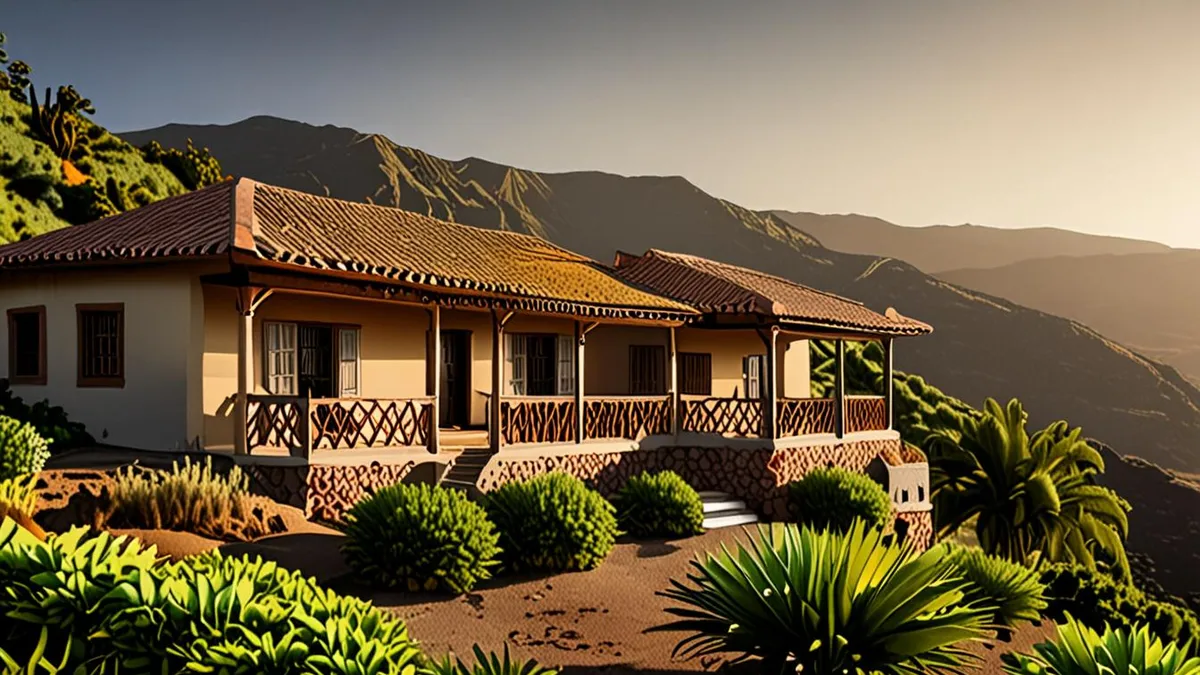
The North: Puerto de la Cruz and the Orotava Valley
Cross to the northern side of the island and the character changes immediately. This part of Tenerife is greener and cooler than the south, with more cloud, more rain and a much more traditional Canarian feel. Think historic town centers, local restaurants serving Canarian food rather than international menus, and far fewer resort-style developments.
Villa life in the Orotava Valley
The valley above the north coast’s main town is where the most atmospheric villas sit. Many properties here are set among banana plantations, with terraced gardens that look out over the ocean, and on clear days the views stretch up to Mount Teide. It is a landscape you simply will not find on the south coast.
Value is the other big draw. Rates in the north typically run 30-50% below comparable south-coast properties, so the same budget that buys a compact villa near the beach in the southwest may secure a substantial estate property with grounds here.
The trade-offs to weigh
The greener climate comes at a price. Expect more cloud cover and more rain than in the south, particularly in winter, and swimming conditions are generally rougher on the north-facing shores. The island’s best southern beaches are also a longer drive away, so if beach time is your main goal, factor in regular car journeys across the island. For travelers who value scenery, culture and space over guaranteed sunshine, though, the north is hard to beat.
Rural and Inland Areas: Quiet Villas with Volcano Views
If your priority is privacy rather than proximity to a beach, Tenerife’s rural and inland zones deserve a serious look. Villages like Vilaflor, the highest town on the island, the countryside around Adeje and the edges of La Orotava all attract travelers who want space, silence and walking trails starting at the front gate. These areas suit hikers, returning visitors and anyone tired of resort strips.
Cutting the drive to Teide
Teide National Park is about a 1-1.5 hour drive from the main southern resort zones, and that winding ascent eats into any day trip. Staying inland puts you far closer to the trailheads, which means you can reach the park early, beat the midday crowds and still be home for a late lunch. On clear nights, the stargazing from a rural terrace is a genuine bonus.
Most properties here are finca-style villas: thick-walled Canarian farmhouses restored with pools and generous grounds. Expect almond and pine surroundings, olive trees, and sometimes chickens next door. Two practical points before you book: access roads can be unpaved and steep, so ask about the final approach, and check whether the pool is heated, since evenings cool down faster at altitude.
A hire car is essential in these zones. Public transport is limited, taxis are scarce, and even a supermarket run usually involves a drive. If you are happy with that trade-off, inland Tenerife offers some of the best value and scenery on the island.
When to Book and What Villas Cost in Tenerife
Tenerife’s villa market follows a predictable rhythm, and timing your booking well can matter as much as picking the right area. High season runs from mid-June to early September, plus the Christmas and Easter weeks, when prices climb and the best properties are snapped up first. If you have your heart set on a specific villa, waiting until the last minute is a gamble.
If flexibility is an option, aim for the shoulder months. May, October and early November deliver warm weather at noticeably lower rates, and the sea is often at its most comfortable for swimming in autumn. You will also find more availability in the popular southwest without needing an unusually long lead time, and owners are sometimes open to negotiating outside the peak weeks.
Budget will vary widely with size, season and location, but as a rule a south-coast villa with a private pool will cost noticeably more in August than a similar property in the north or inland in May. If you want a sense of how villa pricing works elsewhere in Europe, this guide to what a villa rental really costs in Croatia makes a useful comparison.
- Summer dates: reserve well ahead, especially for villas with heated or larger pools, which are the first to go in July and August.
- Christmas and New Year: book 6-9 months ahead; many owners impose minimum-stay requirements of a week or more over the holidays.
- Shoulder months: a couple of months of lead time is usually enough, and last-minute discounts do appear, though never count on them for a specific property.
- Easter week: treat it like a mini high season; families book early because school holidays are fixed.
How to Choose the Right Area for Your Stay
The easiest way to narrow down your search is to name your single biggest priority before you look at a single listing. Beach convenience, nightlife, culture and quiet countryside each point to a different part of Tenerife, and no area delivers all four equally well. A villa that looks like a bargain online can quickly feel wrong if it sits 40 minutes from the restaurants you were counting on.
Think about your arrival and your budget
If your stay is under a week, check drive times to Tenerife South Airport before committing. Most southern resort areas sit roughly 20-40 minutes away by car, which makes transfers painless for a short break. A rural finca or a north-coast villa may cost less per night, but a longer transfer eats into a four-night stay.
Families with young children usually get more space for their budget in the north or inland, where the same money buys larger grounds and often a bigger pool than on the south coast. The trade-off is a longer drive to the calmest swimming beaches.
Couples chasing restaurants, sunset views and walk-evening dining will find the southwest worth its premium. Prices run higher there than anywhere else on the island, but the choice of villas, beaches and places to eat is also the widest. Match the area to what you will actually do each day, and the rest of the decision tends to make itself.
Finding Your Base on the Island
Choosing where to rent a villa in Tenerife comes down to matching the area to your priority. The southwest offers convenience at a premium, with beaches, restaurants and services close at hand. The north offers value and character, greener landscapes and a more traditional Canarian feel. Inland and rural zones reward travelers with space, privacy and volcano scenery, provided you are happy to drive.
Timing matters as much as location. High season weeks and popular dates get booked up well in advance, so lead time often decides which villas you can actually choose from. Work out what matters most for your group, check drive times if your stay is short, and book early enough to secure the right base. If this guide helped you plan your stay, leave a comment or share the article.